And today is .......

January 18


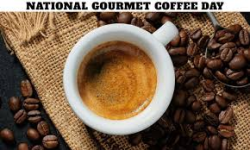
National Gourmet Coffee Day “pours” each January 18.

Whether it’s the rich flavour, or the caffeine boost that can help a person wake up in the morning, coffee has become an important part of the Aussie start (or middle or end) of the day, and for billions’ others worldwide!

With hundreds of varieties of beans, and dozens of interesting ways of brewing, each bringing its own unique flavour, coffee has been developing over the years.

From espresso machines in Italy to fine grounds in a Turkish Ibrik, to the popularity of freeze-dried or instant crystals, coffee has evolved in many ways.

The improvement of coffee in recent decades means that coffee lovers and caffeine addicts alike can have more consistent expectations when it comes to the way their morning cup of Joe is enjoyed.

National Gourmet Coffee Day is a salute to this development of gourmet coffee as its flavour brings joy and delight daily!

The love of coffee is strong in Australia, with more than one in four (27%) indicating they cannot survive the day without it, and 9 in 10 (88%) stating they like it to some extent.

Australians have a deep love for gourmet, specialty coffee, treating it as a cultural ritual focused on quality, craftsmanship, skilled baristas, and unique flavour profiles, evident in their high consumption, sophisticated cafe scene and willingness to pay for premium experiences, even embracing home brewing with machines like Nespresso for consistent quality.

Aussies unique gourmet coffee culture is built around independent cafes and a commitment to quality. This preference for high-quality, artisanal coffee sets Australians apart in the global market.

Our local market is largely driven by small, independently owned cafes. This differs from countries with a higher presence of large chain coffee stores and highlights Australia’s unique dedication to quality over convenience.

Australia’s younger generations have a greater dependency on coffee, with around a third needing it to survive the day (33% Gen Y and 30% Gen X). By comparison the Builders generation are the most likely to see coffee as something nice to have but don’t need it (45%).

We also don’t mind paying for what we love, with more than four in five Australians (84%) spending money on coffee in an average week, based on taste and preference.

The majority of Australians who drink coffee will make a coffee at home on a usual weekday (86%). However, when it comes to purchasing a coffee from a café, younger generations are more likely to do so than their older counterparts (61% Gen Z, 53% Gen Y cf. 36% Gen X, 33% Baby Boomers, 26% Builders).

Coffee drinkers who prefer espresso coffee are the most likely to purchase their coffee from a cafe (60% cf. 36% coffee pods, 22% instant coffee). More than three quarters of those who prefer espresso coffee (77%), however, will make a coffee at home on an average weekday.

The coffee-drinking ritual in Australia is well established. Almost every conversation usually starts with ‘Wanna grab a cup of coffee', whether it's a date, a colleague, or even a best friend.

The coffee in Australia is not about quantity but quality and that's what makes the gourmet coffee so special. It is believed that Australian coffee is the best in the world. Aussies see coffee as a part of their daily routine and it's so important to them that they walk into their favourite cafe every day and even brew coffee at home or in the office, and always to their individual taste and preference.

Coffee drinking is an essential part of the daily lives of Australians. We usually place importance on the quality of the beans, the type, roast and they take their time to brew coffee or enjoy it from their favourite cafes. We can say that we have nailed the approach to coffee drinking and are models for coffees in other parts of the world.

We can recreate our versions of flat white or espresso at home. It's so simple. Well, if we choose the coffee bean of taste and then the method of preparation. Perfection varies, one taste bud to the next. Did I say simple?

We have coffee options everywhere. Cafes are multiplying. Coffee roasteries have increased in popularity. Coffee lovers are trying their hand at roasting, giving people like me access to the best of the best beans. There again, most households now own a barista-style coffee machine, making it incredibly easy for coffee drinkers to get their fix of the sweet brown elixir of life without having to leave the house.

Coffee shops are increasingly the Aussies’ primary social hubs, driven by health consciousness, a desire for inclusive daytime spaces, the rise of "sober socialising" (especially among Gen Z), and the need for affordable, flexible gathering spots. And these cafes are driven by our gourmet coffee preferences.

Australia has a unique relationship with coffee compared to the rest of the world. We know our baristas by name, are proud of our complex coffee orders, and expect a high standard of flavour and quality from every cup. Research shows 59% of Aussies drink coffee for the taste, with the quality of the blend driving customer behaviour (68%), followed by affordability (58%) and coffee shop location (51%).

Our gourmet coffee culture shows no signs of slowing down. The future will likely see (1): An increased demand for specialty coffee where a growing taste for quality will increase the demand for specialty coffee; (2) Australian consumers continue to be aware of the need for ethically sourced and environmentally sustainable coffee practices: and (3) As tastes evolve, cafes may experiment with new brewing methods and even more flavour profiles, keeping Australia’s coffee scene dynamic and forward-thinking.

Australia’s rise as a gourmet coffee powerhouse reflects more than just an increased caffeine intake; it’s a testament to an ongoing culture that values quality, community, and craftsmanship.

Oh, did I say “taste?”
And would that be one shot, or two?
Flat white?
Cappuccino?
Latte?
Short black?
Long black?
Piccolo latte?
Macchiato?
Ristretto?
Skim, soy, oat, almond, or coconut milk?
You name it - we've got it!
.

Fun Fact about Gourmet Coffee:
  1. In Finland, there are two legally mandated ten-minute coffee breaks enforced as part of their work days (something I’m sure we’d have no worries getting behind here in Australia).
  2. 30% of our nation drink three or more cups of coffee per day.
  3. 7am is officially Coffee Hour in Australia, with 24% of Aussies drinking coffee between 7am - 8am.
  4. “Don't talk to me until I've had my morning coffee”: 26% of Aussies drink coffee before doing anything else in the morning.


“Hit me with your best shot”

“Coffee, because adulting is hard.”

“No matter what historians claimed, BC really stood for ‘Before Coffee.’”

“I had some dreams; they were clouds in my coffee.”



1768682656377.png


1768682704352.png


1768682823736.png


1768682783263.png
 
January 19


Good Memory Day is celebrated each 19 January (if we remember!!).

The best moments in life are often the simplest. Long-cherished experiences can brighten our spirits and fill us with gratitude. Forget about those worries or struggles, set aside those fears of the future or bad times of the past. Today is all about celebrating Good Memory Day!

The spirit and intent of today focuses on cherishing positive past moments, creating new ones, and supporting those with memory loss, emphasizing carrying lessons forward, and broader ideas around self-reflection, gratitude, and creative memory-keeping like scrapbooking.

Today, we can use this opportunity to take time to be thankful for experiences that have shaped us and talk about favourite moments with loved ones. We can relive memories close to our hearts, remembering the good times and bask in the nostalgia.

It's also the perfect chance to create good memories for the future by meeting old friends and loved ones from your family. It's the perfect excuse for a grand get-together.

Memory for Australians involves our broader national identity (memory shapes Australia's shared history), often debated through national museums and educational curricula, reflecting its multicultural past, diverse family histories, and personal cognitive health.

Given how much we seem to forget on a daily basis, it may seem strange but it’s completely true that our brains have an essentially unlimited ‘storage capacity’ for learning. A large part of the reason we seem to forget so much may well be that, whilst our long term memory is virtually limitless, our short term, or ‘working’ memory has a much, much smaller capacity.

It’s easy to think of the brain as a ‘magical box’ where your thoughts, memories and emotions are kept, but when it comes down to it, the brain is a part of your body just like the heart and your muscles. As such, ‘exercising’ your brain in specific ways – whether that’s learning a new skill such as a musical instrument or a new language or simply learning new things from a book – produces physical changes in its structure.

Memory is a continually unfolding process. Initial details of an experience take shape in memory; the brain’s representation of that information then changes over time. With subsequent reactivations, the memory grows stronger or fainter and takes on different characteristics. Memories reflect real-world experience, but with varying levels of fidelity to that original experience.

The degree to which the memories we form are accurate or easily recalled depends on a variety of factors, from the psychological conditions in which information is first translated into memory to the way we seek - or are unwittingly prompted - to conjure details from the past.

Memories of “firsts” - a first kiss, first love, first heartbreak: each feel permanent. But why do we remember some moments yet forget others? Most memories begin from a sensory experience yet nearly all memory can be categorized as either explicit or implicit, meaning conscious or unconscious. Different types of memories are stored within multiple structures of the brain. Our individual use of recall varies from person to person and the memory type might more easily manifest depending on the “thought trigger.”

Memory loss (or forgetting things) can be affected by age. Our teenage memory issues often stem from a developing brain (especially the prefrontal cortex for focus/planning), hormonal surges, and lifestyle factors like lack of sleep, stress, multitasking, and poor nutrition, which all disrupt memory formation; also, brain pruning and emotional overstimulation play big roles, making forgetfulness common. On the other hand, memory loss as we age might be the simple result of natural ageing or move into the more serious areas of dementia and Alzheimer’s which then requires medical diagnosis.

Our memory might feel also bad as an adult due to common factors like stress, poor sleep, anxiety, and certain medications, which create 'brain fog' or distraction, or it could stem from manageable issues like vitamin deficiencies, thyroid problems, or lifestyle factors. While some age-related decline is normal, persistent or worsening memory issues, especially with confusion or inability to perform daily tasks, should prompt a doctor's visit to rule out underlying medical conditions like dementia or infections.

Our precious normal/good memories are cherished, positive recollections from the past that boost happiness, self-esteem, and resilience by activating brain regions associated with reward and emotion regulation, acting as a buffer against stress and negative feelings. They aren't just passive recollections; intentionally savouring them strengthens their impact, making them a valuable resource for well-being, identity, and motivation, often created by being present and sharing in joyful experiences with loved ones.

"Remembering when" with others can instantly make you happier.

Recalling happy memories is a powerful way to interrupt negative thoughts.

A bedtime practice of remembering joyful experiences that have enriched your life can boost life satisfaction.

The health benefits of revisiting positive memories extend far beyond temporary jolts of happiness. Studies have shown that intentionally recalling happy experiences can help to disrupt negative thought patterns, alleviate anxiety, and even lower cortisol levels. This practice has been particularly effective in young people who are at risk of depression due to stress, as it promotes a more positive self-image.

Here’s the takeaway - we can savour life twice: once in the moment and again by recalling the memory. We routinely make a choice to either focus on positive thoughts that evoke pleasant emotions or to focus on negative thoughts that prompt negative emotions. The choice we make can have a profound impact on our overall happiness and even on our ability to bounce back from life's inevitable setbacks and disappointments.

We each need to put our memories to work, regularly! We need to delve inside our own memories often and reach for them whenever we want to infuse our lives with greater joy.

As James Bond once said: “You only live twice” – well, at least that’s what I think he said, if my memory hasn’t failed me!


Fun Facts about Good Memory:
  1. The human brain has a nearly limitless storage capacity (albeit forgetting things might happen because the brain actively clears out old connections to make room for new memories).
  2. Smell is a powerful memory trigger - scents bypass the thalamus, going directly to the olfactory bulb, which is closely linked to memory-making parts of the brain.
  3. Memories aren’t always accurate – when you recall a memory, it can be slightly altered, creating new or exaggerated versions, not always a perfect playback.
  4. Déjà Vu: This eerie feeling of having experienced something before is called déjà vu. Scientists believe it happens when the brain mistakenly signals that a new experience is familiar.


“Someday, our memories will remind us that we lived life to the fullest. “

“We didn't realize it would be a memory when we did it.”

“You will not remember the mess; you will remember the smiles and giggles of time spent together.”

“The best part of memories is making them.”


1768771805796.png


1768771779456.png


1768771834145.png


1768771857681.png
 
January 20


National Cheese Lovers Day sharply crumbles each 20 January.

This world-wide dairy delicacy pairs perfectly with crackers, bread, or just about anything – and is OK on its own too! Whether it's sharp or mild (much like good conversation), it's always a crowd-pleaser.

Whether it is the versatile, rather hard cheddar cheese or the stringy mozzarella, cheese is one of the world’s most delectable delicacies that can go well with so many dishes. So it shouldn’t come as a surprise to anyone that National Cheese Lovers Day is actually a thing!

So today is a day dedicated to the celebration of the many different types of cheese in the world, but this day is certainly not exclusive to cheese connoisseurs who have strange or exotic tastes.

Instead, it is a day for any average person to celebrate their favourite cheeses while also learning about new ones.

There are plenty of opportunities to taste new cheese, learn how to make your own or even discover new recipes that make ample use of cheese. Anyone is welcome to join in on National Cheese Lovers Day, no matter what type of cheese they enjoy or how they like to eat it.

Few foods have as much of a rich and extravagant history as cheese. Some parts of the world are incredibly protective and proud of the cheeses that they make, and they are particular about the ingredients and techniques that are used to create it.

Everything from the source of the milk to the environment in which the cheese is made will impact the unique flavour or smell that the cheese offers.

To make things more exciting, different cheeses can work well in different recipes and it is always fun to try out different blends in the way cheese is incorporated into recipes at home.

Spice up that mac and cheese recipe with some artisanal cheese from a market or try and make your own cheese and then add a bit of personal flair and flavour to it.

The cheese world is a large but inclusive one. Everyone is welcome to celebrate their favourite cheese and no one needs to worry about those cheese snobs that only eat the “finest” expensive cheeses that they’ve imported from across the world.

Australia has a vibrant, growing cheese scene, moving from traditional Cheddar to a diverse range of artisan cheeses (soft, blue, goat, sheep) made from local milk, influenced by global styles but with unique regional terroir, supported by dedicated cheesemakers and cheese trails in states like Tasmania, Victoria, and NSW, with strong domestic consumption and growing exports.

Over half of Australians feel happy or relaxed when eating cheese, and local cheesemakers are gaining international recognition for their quality and innovation, making cheese an integral part of daily life and culinary culture.

Australians eating cheese benefit from essential nutrients like calcium, protein, and B vitamins, supporting strong bones, muscle function, and energy release, with research suggesting moderate intake (around 40g daily) is linked to reduced risks of heart disease, stroke, type 2 diabetes, and some cancers, fitting within the recommended daily dairy intake for a balanced diet. Despite saturated fat, cheese's unique nutrient package offers protective benefits when part of a balanced diet, even aiding weight management.

As a nation, eat around 13.6 kg of cheese per person annually, with a vast majority buying cheese regularly. Block cheese remains dominant, but shredded, sliced, and snack cheeses are extremely popular, alongside a rising interest in specialty soft cheeses like Brie. Cheese makes Australians feel content, happy, and relaxed, fuelling its popularity. We have a vibrant local industry which produces high-quality, innovative cheeses, moving beyond basic cheddars to embrace diverse flavours and styles. Cheese fits into daily life for quick snacks, cooking, and casual entertaining, with a strong focus on local products.

We love our cheese sliced in sandwiches, melted on toast, or grated over pasta. Cheese snacks and portions are popular, alongside block cheese for cheese boards. Entertaining just about always includes a “little put together” cheese platter featuring local and international cheeses. Oh, did someone say “Pairings?” Yes, we do that too, with wine, fruits, and crusty bread! Yumm!


Fun Facts about Cheese:
  1. It’s great for your teeth - Cheese is high in calcium, which is good for bones and teeth, and some varieties help stimulate saliva production, which eliminates sugar and acids from the mouth, helping to prevent tooth decay.
  2. Thanks to a high amount of the amino acid tryptophan in cheese, eating a piece or two of cheese before going to bed can help you fall asleep quicker.

“Age is of no importance unless you’re a cheese.”

"The secret ingredient is always cheese."

“Life is short. Eat the cheese.”

“Say cheese and smile!”


1768856747067.png


1768856793682.png


1768856811264.png


1768856824486.png
 
Last edited:
January 19


Good Memory Day is celebrated each 19 January (if we remember!!).

The best moments in life are often the simplest. Long-cherished experiences can brighten our spirits and fill us with gratitude. Forget about those worries or struggles, set aside those fears of the future or bad times of the past. Today is all about celebrating Good Memory Day!

The spirit and intent of today focuses on cherishing positive past moments, creating new ones, and supporting those with memory loss, emphasizing carrying lessons forward, and broader ideas around self-reflection, gratitude, and creative memory-keeping like scrapbooking.

Today, we can use this opportunity to take time to be thankful for experiences that have shaped us and talk about favourite moments with loved ones. We can relive memories close to our hearts, remembering the good times and bask in the nostalgia.

It's also the perfect chance to create good memories for the future by meeting old friends and loved ones from your family. It's the perfect excuse for a grand get-together.

Memory for Australians involves our broader national identity (memory shapes Australia's shared history), often debated through national museums and educational curricula, reflecting its multicultural past, diverse family histories, and personal cognitive health.

Given how much we seem to forget on a daily basis, it may seem strange but it’s completely true that our brains have an essentially unlimited ‘storage capacity’ for learning. A large part of the reason we seem to forget so much may well be that, whilst our long term memory is virtually limitless, our short term, or ‘working’ memory has a much, much smaller capacity.

It’s easy to think of the brain as a ‘magical box’ where your thoughts, memories and emotions are kept, but when it comes down to it, the brain is a part of your body just like the heart and your muscles. As such, ‘exercising’ your brain in specific ways – whether that’s learning a new skill such as a musical instrument or a new language or simply learning new things from a book – produces physical changes in its structure.

Memory is a continually unfolding process. Initial details of an experience take shape in memory; the brain’s representation of that information then changes over time. With subsequent reactivations, the memory grows stronger or fainter and takes on different characteristics. Memories reflect real-world experience, but with varying levels of fidelity to that original experience.

The degree to which the memories we form are accurate or easily recalled depends on a variety of factors, from the psychological conditions in which information is first translated into memory to the way we seek - or are unwittingly prompted - to conjure details from the past.

Memories of “firsts” - a first kiss, first love, first heartbreak: each feel permanent. But why do we remember some moments yet forget others? Most memories begin from a sensory experience yet nearly all memory can be categorized as either explicit or implicit, meaning conscious or unconscious. Different types of memories are stored within multiple structures of the brain. Our individual use of recall varies from person to person and the memory type might more easily manifest depending on the “thought trigger.”

Memory loss (or forgetting things) can be affected by age. Our teenage memory issues often stem from a developing brain (especially the prefrontal cortex for focus/planning), hormonal surges, and lifestyle factors like lack of sleep, stress, multitasking, and poor nutrition, which all disrupt memory formation; also, brain pruning and emotional overstimulation play big roles, making forgetfulness common. On the other hand, memory loss as we age might be the simple result of natural ageing or move into the more serious areas of dementia and Alzheimer’s which then requires medical diagnosis.

Our memory might feel also bad as an adult due to common factors like stress, poor sleep, anxiety, and certain medications, which create 'brain fog' or distraction, or it could stem from manageable issues like vitamin deficiencies, thyroid problems, or lifestyle factors. While some age-related decline is normal, persistent or worsening memory issues, especially with confusion or inability to perform daily tasks, should prompt a doctor's visit to rule out underlying medical conditions like dementia or infections.

Our precious normal/good memories are cherished, positive recollections from the past that boost happiness, self-esteem, and resilience by activating brain regions associated with reward and emotion regulation, acting as a buffer against stress and negative feelings. They aren't just passive recollections; intentionally savouring them strengthens their impact, making them a valuable resource for well-being, identity, and motivation, often created by being present and sharing in joyful experiences with loved ones.

"Remembering when" with others can instantly make you happier.

Recalling happy memories is a powerful way to interrupt negative thoughts.

A bedtime practice of remembering joyful experiences that have enriched your life can boost life satisfaction.

The health benefits of revisiting positive memories extend far beyond temporary jolts of happiness. Studies have shown that intentionally recalling happy experiences can help to disrupt negative thought patterns, alleviate anxiety, and even lower cortisol levels. This practice has been particularly effective in young people who are at risk of depression due to stress, as it promotes a more positive self-image.

Here’s the takeaway - we can savour life twice: once in the moment and again by recalling the memory. We routinely make a choice to either focus on positive thoughts that evoke pleasant emotions or to focus on negative thoughts that prompt negative emotions. The choice we make can have a profound impact on our overall happiness and even on our ability to bounce back from life's inevitable setbacks and disappointments.

We each need to put our memories to work, regularly! We need to delve inside our own memories often and reach for them whenever we want to infuse our lives with greater joy.

As James Bond once said: “You only live twice” – well, at least that’s what I think he said, if my memory hasn’t failed me!


Fun Facts about Good Memory:
  1. The human brain has a nearly limitless storage capacity (albeit forgetting things might happen because the brain actively clears out old connections to make room for new memories).
  2. Smell is a powerful memory trigger - scents bypass the thalamus, going directly to the olfactory bulb, which is closely linked to memory-making parts of the brain.
  3. Memories aren’t always accurate – when you recall a memory, it can be slightly altered, creating new or exaggerated versions, not always a perfect playback.
  4. Déjà Vu: This eerie feeling of having experienced something before is called déjà vu. Scientists believe it happens when the brain mistakenly signals that a new experience is familiar.


“Someday, our memories will remind us that we lived life to the fullest. “

“We didn't realize it would be a memory when we did it.”

“You will not remember the mess; you will remember the smiles and giggles of time spent together.”

“The best part of memories is making them.”


View attachment 32649


View attachment 32648


View attachment 32650


View attachment 32651
Pretty hilarious that I actually forgot to check the today is thread on memory day.
 
January 20


National Cheese Lovers Day sharply crumbles each 20 January.

This world-wide dairy delicacy pairs perfectly with crackers, bread, or just about anything – and is OK on its own too! Whether it's sharp or mild (much like good conversation), it's always a crowd-pleaser.

Whether it is the versatile, rather hard cheddar cheese or the stringy mozzarella, cheese is one of the world’s most delectable delicacies that can go well with so many dishes. So it shouldn’t come as a surprise to anyone that National Cheese Lovers Day is actually a thing!

So today is a day dedicated to the celebration of the many different types of cheese in the world, but this day is certainly not exclusive to cheese connoisseurs who have strange or exotic tastes.

Instead, it is a day for any average person to celebrate their favourite cheeses while also learning about new ones.

There are plenty of opportunities to taste new cheese, learn how to make your own or even discover new recipes that make ample use of cheese. Anyone is welcome to join in on National Cheese Lovers Day, no matter what type of cheese they enjoy or how they like to eat it.

Few foods have as much of a rich and extravagant history as cheese. Some parts of the world are incredibly protective and proud of the cheeses that they make, and they are particular about the ingredients and techniques that are used to create it.

Everything from the source of the milk to the environment in which the cheese is made will impact the unique flavour or smell that the cheese offers.

To make things more exciting, different cheeses can work well in different recipes and it is always fun to try out different blends in the way cheese is incorporated into recipes at home.

Spice up that mac and cheese recipe with some artisanal cheese from a market or try and make your own cheese and then add a bit of personal flair and flavour to it.

The cheese world is a large but inclusive one. Everyone is welcome to celebrate their favourite cheese and no one needs to worry about those cheese snobs that only eat the “finest” expensive cheeses that they’ve imported from across the world.

Australia has a vibrant, growing cheese scene, moving from traditional Cheddar to a diverse range of artisan cheeses (soft, blue, goat, sheep) made from local milk, influenced by global styles but with unique regional terroir, supported by dedicated cheesemakers and cheese trails in states like Tasmania, Victoria, and NSW, with strong domestic consumption and growing exports.

Over half of Australians feel happy or relaxed when eating cheese, and local cheesemakers are gaining international recognition for their quality and innovation, making cheese an integral part of daily life and culinary culture.

Australians eating cheese benefit from essential nutrients like calcium, protein, and B vitamins, supporting strong bones, muscle function, and energy release, with research suggesting moderate intake (around 40g daily) is linked to reduced risks of heart disease, stroke, type 2 diabetes, and some cancers, fitting within the recommended daily dairy intake for a balanced diet. Despite saturated fat, cheese's unique nutrient package offers protective benefits when part of a balanced diet, even aiding weight management.

As a nation, eat around 13.6 kg of cheese per person annually, with a vast majority buying cheese regularly. Block cheese remains dominant, but shredded, sliced, and snack cheeses are extremely popular, alongside a rising interest in specialty soft cheeses like Brie. Cheese makes Australians feel content, happy, and relaxed, fuelling its popularity. We have a vibrant local industry which produces high-quality, innovative cheeses, moving beyond basic cheddars to embrace diverse flavours and styles. Cheese fits into daily life for quick snacks, cooking, and casual entertaining, with a strong focus on local products.

We love our cheese sliced in sandwiches, melted on toast, or grated over pasta. Cheese snacks and portions are popular, alongside block cheese for cheese boards. Entertaining just about always includes a “little put together” cheese platter featuring local and international cheeses. Oh, did someone say “Pairings?” Yes, we do that too, with wine, fruits, and crusty bread! Yumm!


Fun Facts about Cheese:
  1. It’s great for your teeth - Cheese is high in calcium, which is good for bones and teeth, and some varieties help stimulate saliva production, which eliminates sugar and acids from the mouth, helping to prevent tooth decay.
  2. Thanks to a high amount of the amino acid tryptophan in cheese, eating a piece or two of cheese before going to bed can help you fall asleep quicker.

“Age is of no importance unless you’re a cheese.”

"The secret ingredient is always cheese."

“Life is short. Eat the cheese.”

“Say cheese and smile!”


View attachment 32720


View attachment 32721


View attachment 32722


View attachment 32723
I fully endorse cheese day, in fact I think cheese deserves more days.
 
January 21


One-Liners Day have their punch line each 21 January.

Dad jokes, puns, groaners and one-liners all seem to have their own place in the world of humour. It’s pure comic relief delivered short and snappy that can cause a huge guffaw, a little chuckle or perhaps an eye roll – maybe all three!

One-Liners Day is here to show appreciation and admiration for the silliness that goes into creating jokes that can be told in one breath. So, get ready to laugh out loud and celebrate One-Liners Day!

In honour of One-Liners Day, today is the day to brush up on some (maybe) hilarious one-liners that can be shared with friends, family members, co-workers and even the “Dad Jokes” thread of the WTF. Laughter and FUN are really what it’s all about.

And beyond the superficial humorous addictive responses, fun one-liners provide guaranteed health benefits of that oft-needed gift we call “laughter!” It’s not a joke that laughter truly is the best medicine, and here are some of the specific ways that telling one-liners might just change your life and the lives of those around you:

  • Stress Relief: Research has shown that laughing is a natural way to relieve stress, reduce anxiety and just relax a little bit. Because a good laugh can go through the process of firing up and then cooling down the stress response, it has the power to decrease the heart rate and blood pressure, which is super healthy. Lucky for me, I can multitask – I can stress while I stress!
  • Immune Boost: Many people don’t realize that a good laugh can help prevent your body from succumbing to disease. Positive thoughts, including laughter, can help to reduce neuropeptides that reduce stress and are beneficial for the immune system. For me, I’m OK during the week, it must be my weekend immune system that’s the hard part.
  • Reduce Depression: In today’s world where anxiety and depression are so common, most people will welcome a simple and easy way to fight off depression. During laughter, whether from a one-liner or other sort of comedy, the brain releases endorphins which create feelings of positive feelings and combat depression. In my experience, talking to yourself is okay – it’s the answering back that’s the worry!
  • Stimulate the Organs: In the short term, laughter gives a little healthy exercise workout to a few different important organs. This includes a strong intake of oxygen-rich air into the lungs and stimulating the muscles throughout the body as well as the heart. Just amazing! But for me, I wanted to play the organ but kept getting head-aches - I had to stop playing by ear!
We Aussies have a forever-history with a quick quip and funny retort. It’s part of our psyche. Our slang, funny one liners and dry, self-deprecating humour are core to our culture, stemming from a relaxed, "no worries" attitude, a love for banter (or "taking the piss"). It’s a way we bond, build mateship, and find levity in tough conditions, using wordplay, quick wit, and unexpected twists for social connection, often expressed through distinctive Aussie slang and a laconic style.

Sharing a laugh over a clever quip or a bit of sarcasm is a fundamental social lubricant, connecting people quickly and easily. It’s how we survive.

In essence, funny one-liners aren't just jokes; they're a cultural shorthand for connection, resilience, and that quintessential Aussie spirit. From the home to the workplace and onto the sporting fields – nothing is out of bounds and nothing beats a quick wit, or a bit of banter to win the moment.

Like at the cricket, sledges might go something like: “I've seen a better batter at my local Fish & Chips shop!” or at the footy: (during a Cronulla Sharks vs. Newcastle Knights game back in the day, Matty Johns sledged his brother Andrew with: “"Hey Johns, my dad's been r***ing your mother". The humour stemmed from the fact they share the same parents, making the insult completely illogical and confusing to Andrew, who, according to Matty, "didn't get it, I had to explain it to him".

Or even between mates: “Nice haircut, did you get run over by a lawnmower?”

Down through time, we have enjoyed funny one-liners and quick wit as a core part of our national identity and social fabric. This preference for brief, sharp humour is driven by several cultural factors.

Australian culture emphasizes equality, and humour is used to ensure no one feels superior to others. Sharp one-liners are frequently used for "taking the piss" - mocking someone (or oneself) to maintain a grounded, humble social environment; having a sense of humour is almost mandatory. Being able to deliver or withstand a quick, dry remark is seen as a sign of social competence and "mateship".

Our humour is often characterized by a deadpan, understated delivery. One-liners fit this style perfectly because they allow for a quick, impactful punchline without the need for an elaborate setup. Even doctors feel that laughter may even help us to live longer. Just like with sleep and exercise, laughing is one of those feel-good activities we intuitively know is good for us. Research continues to show how laughter benefits emotional, physical, and mental well-being at profound levels that can extend our life span.

These funny one liners and silly puns are seriously important for our general well-being because silliness activates the brain's reward system, releasing feel-good neurotransmitters like dopamine and serotonin. Being silly also promotes social bonding and strengthens relationships. It fosters a sense of connection and belonging when we engage in playful behavior.

Fun Facts about Funny One Liners:
  1. Surprise is key: the most critical element is the element of surprise; if you see the punchline coming, it's not funny – like “geology rocks but geography is where it’s at!”
  2. Short and sweet: one-liners thrive on brevity, packing a big laugh into a few words, making them perfect for quick social interactions or online sharing, like “RIP boiling water – you will be mist!
  3. Relatability sells: many great one-liners (think Dad Jokes thread, WTF) highlight absurdities in everyday life, making you think, "I've felt that way!"


“I’m serious, but don’t call me Shirley”

“Very funny Scotty. Now beam down my clothes”

“The last thing I want to do is insult you. But it IS on the list.”

“Two sheep walk into a - baaaa”


1768940645344.png


1768940668451.png


1768940689181.png


1768940705506.png
 

Latest posts

Members online

Back
Top