Melbourne Storm secure backing from PE giant in landmark NRL deal
High-flying bookmaker Matthew Tripp and his advisors at Jefferies have landed a big fish to acquire the Melbourne Storm NRL team, with Swedish buyout giant EQT close to signing on the dotted line.
People with knowledge of the matter who requested anonymity to speak freely said EQT was in advanced discussions to buy a controlling shareholding in the Storm – one of a handful of privately controlled clubs in the league.
Its owners – Tripp, his childhood friend Tom Carroll, Jayco founder Gerry Ryan, Bart Campbell, owner of Melbourne sports marketing agency Left Field Live, and board member Brett Ralph – hired investment bank Jefferies last year to run a sale process, as first reported by this column.
EQT has been active in Australia for years, and more recently, increasingly interested in sports assets. It snapped up Australian corporate health provider Fitness Passport in 2024 and, in June, became the first private investor in the ATP Tour, the top-tier tennis competition.
A deal for the Storm would be a landmark transaction for the NRL, which has yet to see the kind of interest from private equity as international leagues. News Corporation is the majority owner of the Brisbane Broncos, while billionaire businessman James Packer and Mike Cannon-Brookes are co-owners of the South Sydney Rabbitohs alongside Russell Crowe.
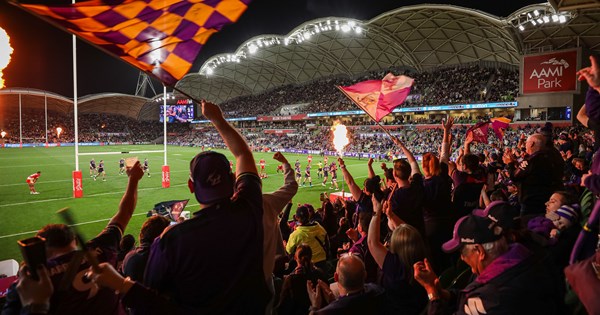
The Storm haven’t made clear why it’s running a capital-raising process or how much of the business is up for sale. However, it will have to fund the renovation of its headquarters adjacent to AAMI Park and the establishment of a facility to develop athletes and improve talent pathways.
In a pitch deck circulated to prospective investors this year, Jefferies talked up the benefits that would flow from the NRL’s new $5.3 billion broadcast agreement to the club, which it said would “significantly uplift” the club’s margin and “flow through directly to the bottom line”.
The Melbourne Storm Rugby League Club delivered $40 million in revenue up to October 31, primarily driven by management fees and selling memberships, according to its statutory accounts.