Today is
National Brush Day which promotes children's oral health and good brushing habits.
Following Halloween, this day serves as a vital reminder to prioritize brushing, flossing, and regular dental check-ups.
Educating our children with fun dental facts and engaging activities to make dental care a positive habit for life are all wrapped into the message of the day.
Oral hygiene is where good health meets smiles that ooze confidence.
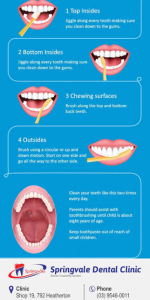
Proper brushing technique is key.
Brushing your teeth regularly is essential for preventing tooth decay, halting gum disease, and protecting your body from serious systemic health conditions. Maintaining a consistent oral hygiene routine removes food particles and disrupts biofilm—a sticky, invisible layer of bacteria that rapidly develops into plaque and hardened tartar.
- Prevents Cavities: Bacteria in your mouth feed on leftover food sugars and produce acids. These acids dissolve the hard outer enamel, causing cavities. Brushing with a fluoride toothpaste clears away bacteria and strengthens enamel.
- Wards Off Gum Disease: Plaque buildup along the gumline causes gingivitis, marked by red, swollen, or bleeding gums. Left untreated, it can progress to periodontitis, which destroys the bone structure supporting your teeth and causes tooth loss.
- Eliminates Bad Breath (Halitosis): Regular brushing removes decomposing food particles and odour-producing bacteria from your teeth, gums, and tongue.
- Removes Stains: Daily brushing mechanically dislodges surface stains from food and drinks, keeping your smile brighter.
- Saves Money: Investing a few minutes a day into basic hygiene protects you from the discomfort and high costs of extensive dental procedures like fillings, root canals, and extractions.
Oral health is deeply connected to your entire body. When bacteria and chronic inflammation overwhelm your gums, they can enter the bloodstream and impact other systems:
Lowers Heart Attack & Stroke Risks: Chronic oral inflammation can contribute to the narrowing of blood vessels and increase cardiovascular risks.
Protects Lungs from Pneumonia: Medical research confirms that regular toothbrushing significantly reduces hospital-acquired pneumonia and ICU mortality by preventing oral bacteria from being accidentally inhaled into the airways.
Aids in Diabetes Management: Gum disease can worsen full-body inflammation, which elevates insulin resistance and makes blood sugar harder to control.
Dentists recommend the 3-3-3 brushing method ie brushing one's teeth 3 times per day, within 3 minutes after having a meal, for at least 3 minutes each time – maybe even to the beat of a favourite song to encourage the fun/effort of the brushing.
- Brush your teeth twice a day with fluoride toothpaste.
- Clean between your teeth daily using floss or interdental brushes.
- Eat a healthy, balanced diet with low added sugars.
- Visit the dentist regularly for check-ups.
Best Practices for Effective Brushing
To maximize these benefits, here are simple, everyday strategies:
- Frequency: Brush thoroughly twice a day (morning and night) for at least two minutes each time.
- Tools: Use a soft-bristled toothbrush (manual or electric) and a pea-sized amount of fluoride toothpaste. Replace your toothbrush or brush head every 3 to 4 months.
- Technique: Tilt the bristles at a 45-degree angle toward your gumline and brush gently in small, circular motions.
- Spit, Don't Rinse: After brushing, spit out the excess toothpaste but avoid rinsing with water. Leaving a trace layer of toothpaste allows the fluoride to continuously protect and strengthen your enamel.
Toothpastes provide protection against seven common oral health issues: bad breath, cavities, enamel erosion, tartar, plaque, teeth stains, and bacteria on gums – all the nasties.
Your toothpaste ensures powerful antibacterial effects, helping to reduce plaque, freshen breath, fight bacteria on gums, and tartar build-up.
Wake. Brush. Slay. Repeat.
I brush therefore I am.
No brush, no glory!