World Cotton Day sews onto our calendars each October 7, highlighting a crop that touches nearly every part of our daily lives.
Cotton is a natural fibre like no other.
Cotton grows in warm fields across the globe, then travels into the shirts we wear, the sheets we sleep on, and the products we use.
Its journey supports millions, especially in farming communities. Small growers depend on it to feed their families and send their children to school. In some regions, it’s not just a plant—it’s a way to survive and move forward.
The day brings attention to the tough road many cotton farmers face. Markets can be unfair, and low prices often make hard work feel unrewarding. Groups like the United Nations and others push for better deals, smarter farming, and fair pay.
Their work aims to keep cotton farming alive and improve lives in the process. Behind each fluffy boll, there’s a human story, full of effort, hope, and the promise of something better.
This year’s WCD theme is "Cotton for Good", mirroring the international focus on trade, transformation, and partnership.
Cotton is still central to major apparel categories, including T-shirts and trousers. But other fibres are growing faster. Cotton's share of global fibre demand has fallen from around 68% in 1960 to 21% in 2025, while synthetics now make up about 72%. Demand for cotton hasn't disappeared. The question is whether it can keep pace with a growing market.
Why we love cotton fabric:
This spring and summer, choose Australian cotton and support the growers behind the fibre.
Fun Facts about Cotton:
“Life is better when it's soft as cotton”
“Keeping it soft, natural, and classic”
“Stay fluffy, stay happy”
“Cotton chic, always stylish”
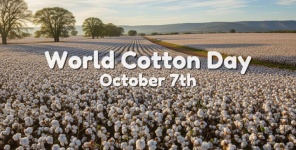
Cotton is a natural fibre like no other.
Cotton grows in warm fields across the globe, then travels into the shirts we wear, the sheets we sleep on, and the products we use.
Its journey supports millions, especially in farming communities. Small growers depend on it to feed their families and send their children to school. In some regions, it’s not just a plant—it’s a way to survive and move forward.
The day brings attention to the tough road many cotton farmers face. Markets can be unfair, and low prices often make hard work feel unrewarding. Groups like the United Nations and others push for better deals, smarter farming, and fair pay.
Their work aims to keep cotton farming alive and improve lives in the process. Behind each fluffy boll, there’s a human story, full of effort, hope, and the promise of something better.
This year’s WCD theme is "Cotton for Good", mirroring the international focus on trade, transformation, and partnership.
- Local Engagement: Led by Cotton Australia, the day highlights the contributions of local growers, sustainability milestones, and textile innovations across New South Wales and Queensland.
- Industry Impact: The Australian sector represents roughly 1,500 farms, contributing significantly to regional employment and sustainable farming practices (including major reductions in water and insecticide use over recent decades).
- New South Wales grows the most cotton in Australia, producing roughly two-thirds of the national crop. Major growing regions include the Gwydir, Namoi, Macquarie, Lachlan, Murrumbidgee, and Murray river valleys.
- Queensland (QLD): Accounts for the remaining 33% (one-third) of production. Major growing regions include the Darling Downs, St George, Dirranbandi, and the Central Highlands. (The biggest cotton farm in Australia is Cubbie Station, located near Dirranbandi in south-west Queensland.)
- It takes about 5 to 6 months (roughly 150 to 180 days) for a cotton plant to grow from a planted seed and produce harvestable cotton.
- A standard ginned lint bale of cotton in Australia is currently worth between AUD $640 and $650+ per bale.
- Prices have rebounded significantly after sitting below a recent multi-year average of roughly AUD $529 per bale.
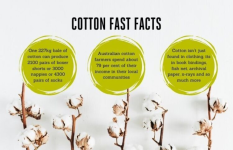
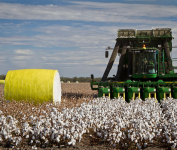
- An Australian cotton bale has a standard industry weight of 227 kg. When harvesting, a single modern round module typically yields around 4 to 4.25 ginned lint bales, bringing the total raw value of one round module to approximately AUD $2,500 to $2,750.
- Globally, it’s a poverty-alleviating crop in some of the least developed countries in the world, providing sustainable and decent employment to people across the globe. The ICAC estimates that each tonne of cotton lint provides full-time, year-round income to about five people.
- A whopping 43% of cotton farmers worldwide are women, providing them with a much-needed source of income to support their families.
- Cotton sequesters carbon! During production, cotton generates about 1.7 kg of greenhouse gases - but it absorbs 2.2 kg, meaning cotton literally removes carbon from the atmosphere as it grows.
- It biodegrades quickly compared with synthetic alternatives, decreasing the amount of plastics entering our waterways and helping to keep our oceans clean.
- It provides fibre but also food, for both humans and livestock.
- As a crop that grows in arid climates, it thrives in places no other crop can.
Cotton is still central to major apparel categories, including T-shirts and trousers. But other fibres are growing faster. Cotton's share of global fibre demand has fallen from around 68% in 1960 to 21% in 2025, while synthetics now make up about 72%. Demand for cotton hasn't disappeared. The question is whether it can keep pace with a growing market.
Why we love cotton fabric:
- Cotton is gentle on the skin and lets air circulate, which helps on warm, humid days. It also tends to drape rather than cling, so it feels relaxed and easy to wear. At night, breathable cotton sleepwear can help you stay comfortable while you sleep.
- One of cotton's greatest strengths is its versatility. It can be found across our wardrobes and homes, from everyday clothing and towels to workwear. Good cotton garments are made to be lived in. They're durable and easy to care for, and they handle regular wear and washing, so you can enjoy them season after season.
- Australian cotton is grown by farming families across the country, drawing on generations of knowledge and innovation. Choosing products made with Australian cotton helps create demand for locally grown fibre and supports the growers who produce it.
- So as you refresh your wardrobe for spring and summer, take a moment to look beyond the style and check the fabric. Look for natural fibres like cotton, and keep an eye out for the Australian Cotton Mark, a simple way to spot products made with Australian cotton.
This spring and summer, choose Australian cotton and support the growers behind the fibre.
Fun Facts about Cotton:
- It gets stronger when wet: Unlike paper or silk, which weaken in water, cotton fibres increase in strength when wet because water molecules form extra bonds with the plant's cellulose.
- Not all cotton is white: Natural wild varieties can grow in striking colours like chocolate brown, red, green, and even tiger-stripe or leopard-spotted patterns.
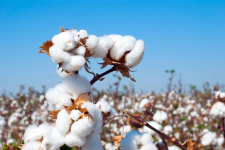
- Cotton plants grow fruit: After pollinating, cotton flowers turn into hard pods called bolls. When ripe, these bolls split open to reveal the fluffy white fibres.
- Zero waste production: Every part of the harvested plant is utilized. The lint goes to textiles, seeds are pressed for oil or fed to livestock, and stalks are tilled back into the earth.
“Life is better when it's soft as cotton”
“Keeping it soft, natural, and classic”
“Stay fluffy, stay happy”
“Cotton chic, always stylish”