And today is .......

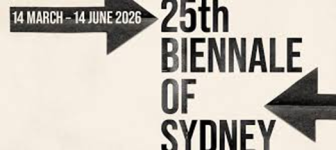
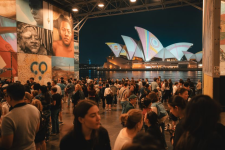
The 25th Biennale of Sydney, titled "Rememory", runs from March 14 to June 14, 2026, featuring 83 artists from 37 countries across five venues, including the White Bay Power Station and the Art Gallery of NSW. Curated by Hoor Al Qasimi, this free, international contemporary art event explores themes of memory, history, and belonging.

The Biennale of Sydney is one of the leading international contemporary art events. It plays an indispensable role in Australia’s engagement with the world, and a meaningful role in the life of the nation.

Since its inception in 1973, the Biennale of Sydney has provided a platform for art and ideas, showcasing the work of 2,400 artists from more than 130 countries. Today it is considered one of the leading international contemporary art events, recognised for commissioning and presenting innovative, thought-provoking art from Australia and around the globe.

This year’s theme refers to a “revisiting, reconstructing, and reclaiming histories that have been erased or repressed.” Rememory signifies the intersection of memory and history, where recollection becomes an act of reassembling fragments of the past—whether personal, familial, or collective. The 25th edition of the Biennale connects the delicate space between remembering and forgetting. By engaging with Rememory, artists will highlight marginalised narratives, share untold stories, and inspire audiences to rethink how memory shapes identity, belonging, and the creation and celebration of new communities and connections.

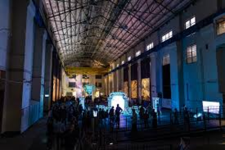
White Bay Power Station is firing up once again – not for energy, but for the 25th edition of the Biennale of Sydney, which returns to the historic site (and plenty of other locations) for a mammoth free program of art installations and cultural activities.

White Bay is where you’ll find a massive hand-built clay oven by Argentinian artist Gabriel Chaile, which will be used to cook Peruvian food for one-off events during the three-month festival. It’s also where you’ll find weekly Memory Lane food markets with vendors offering Palestinian, Lebanese, Italian and Chinese eats, among other cuisines.

Then there’s the resonant community performance by Lebanese artist Mounira Al Solh featuring a large vat of tabouli, in which attendees are invited to eat at Granville’s Blouza Hall, one of a long list of new venues hosting some of this year’s 83 artists and their works.

It’s all part of artistic director Hoor Al Qasimi’s plan to extend the the program further into western Sydney. Lewers: Penrith Regional Gallery, Parramatta Artist Studios, Fairfield City Museum & Gallery and Campbelltown Arts Centre will host artworks and performances, as well as central locations such as the Art Gallery of New South Wales.

  • 2026 Theme: “Rememory”, inspired by Toni Morrison, focusing on, migration, exile, and First Nations stories.
  • Dates: 14 March – 14 June 2026.
  • Venues: White Bay Power Station, Art Gallery of NSW, Campbelltown Arts Centre, Chau Chak Wing Museum (University of Sydney), and Penrith Regional Gallery.
  • Opening Night (13 March): A ticketed "Lights On" event at White Bay Power Station featuring DJ Haram, Hand to Earth, and a preview of Joe Namy's Automobile.
  • A special performance by Indigenous artist Nancy McDinny with her family at the exhibition site.
  • Highlights: Features 83 artists and collectives including Abdul Abdullah and Richard Bell, a large-scale native plant garden by Wendy Hubert, and a 80-sq-m floor canvas by Ngurrara artists, plus others including Artists including Natalie Davey, Edgar Calel, and Carmen Glynn-Braun will present talks alongside their works.
  • Events: Opening night "Lights On" at White Bay is 12 March (7pm-11pm).
  • The event highlights marginalized narratives and community, with a focus on activating the White Bay Power Station.
  • Cost: The exhibition is free to attend.
The 2026 edition is spread across five primary hubs and several satellite venues, being White Bay Power Station, Art Gallery of NSW, Chau Chak Wing Museum, Campbelltown Arts Centre, and Penrith Regional Gallery. The event focuses on themes of memory and history, with the opening night held at White Bay Power Station.


“Bringing Colours to Life”

"The delicate space between remembering and forgetting"

"Defiant act of sharing, seeing, and understanding"

"Bold artistic expression and meaningful cultural exchange"


1773436037130.png


1773436052297.png


1773436069998.png


1773436087176.png
 
March 15 - Part 1

OK, cricket fans today it’s time to commemorate The First Test Match (1877) when, on March 15, 1877, the first-ever Test cricket match began at the Melbourne Cricket Ground (MCG) between Australia and England. These countries share cricket's oldest Test rivalry, beginning with that humble day in 1877, which intensified with the birth of The Ashes in 1882.

Australia has historically dominated with 35 series wins to England's 32. The rivalry is defined by intense, sometimes controversial moments, including the 1932-33 "Bodyline" series and numerous legendary performances.
  • Australia defeated England in the first-ever test match, where Australia shocked the English professional team by winning by 45 runs.
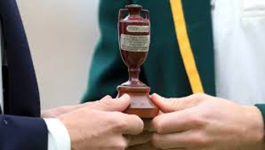
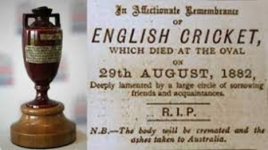
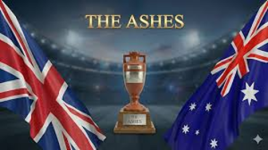
  • The Ashes (1882): Following Australia's first win on English soil, The Sporting Times published a mock obituary, stating English cricket had died and "the body will be cremated and the ashes taken to Australia.” England captain Ivo Bligh later vowed to "recover those ashes" during the 1882–83 tour, leading to the creation of the famous Ashes Urn.
  • Iconic Rivalry: It established the Ashes as one of the most prestigious, storied, and consistently intense rivalries in international sports.
  • Most Runs: Australian icon Sir Donald Bradman holds the record for the most runs in Ashes history with 5,028.
  • Most Wickets: Shane Warne is the leading wicket-taker with 195.
  • Head-to-Head: Across 72 Ashes series, Australia has won 34, England 32, and 6 have been drawn.
  • Significant Moments: The 1932-33 "Bodyline" series saw England use hostile leg-theory tactics against Don Bradman. Desperate to stop Bradman, England employed a controversial tactic of bowling fast, short-pitched balls at the batsmen's bodies. The strategy worked but caused a diplomatic rift between the two nations and eventually led to changes in cricket's laws.
  • In 1993, Shane Warne bowled the "Ball of the Century" where England’s Mike Gatting remains to this day perplexed as to how the spectacular ball of that moment foiled his defensive guard!
  • 1868 Tour: The first Australian team to tour England was an Aboriginal side, which played in 1868.
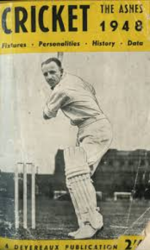
  • 1948 Invincibles: The Australian team led by its captain, Don Bradman, where Bradman led an Australian team that remained undefeated through their entire 34-match tour of England, a feat still regarded as one of the greatest in sporting history.
  • The 1981 Ashes, known as "Botham's Ashes," saw Ian Botham turn around a 1-0 deficit to win the series 3-1 for England with legendary performances. After resigning as captain, he scored a pivotal 149* at Headingley, followed by 5/1 at Edgbaston, finishing with 399 runs and 34 wickets.
  • Modern Era: Australia went without losing a series to England between 1989 and 2002/03. Australia held the Ashes for a record eight consecutive series (19 years) during a "golden run" featuring stars like Shane Warne, Glenn McGrath, and Steve Waugh.
  • 2005: The "Greatest" Series: England ended their 16-year drought with a 2–1 victory in a series widely considered the most dramatic in history, highlighted by England's narrow two-run win at Edgbaston.
  • Recent History (2020–2026): Australia has remained the dominant force in recent years, successfully retaining the Ashes since the 2017–18 series. In the most recent 2025–26 Ashes series held in Australia, the hosts secured a commanding 4–1 victory, extending England's winless streak in away Tests to over 15 years.
  • The Trophy: While the original urn remains permanently in the MCC Museum at Lord's, it serves as the physical embodiment of the rivalry. Since the 1998–99 series, winners are presented with a Waterford Crystal trophy modelled on the urn.
  • Intensity never waivers: The rivalry between the Australian and English teams is marked by deep-seated passion, intense media scrutiny, and significant pressure on captains and coaches, not to mention the cricket fans in both countries literally living and breathing every ball bowled, every batters’ shots, every catch taken (or dropped), every umpiring decision, and about every fly that might crawl up the scoreboard. It’s not actually life or death – for some, it’s even more!

(please now go to Part 2)
 
March 15 - Part 2


Chronological Ashes Results

19th Century
  • 1877: Australia (1 Test) - Australia won (1-0)
  • 1882: England (1 Test) – Australia won (1–0)
  • 1882–83: Australia – England won (2–1)
  • 1884: England – England won (1–0, 2 drawn)
  • 1884–85: Australia – Drawn (2–2, 1 drawn) – England retained
  • 1886: England – England won (3–0)
  • 1887–88: Australia – England won (2–1)
  • 1890: England – England won (2–0, 1 drawn)
  • 1891–92: Australia – Australia won (2–1)
  • 1893: England – England won (2–1)
  • 1894–95: Australia – England won (3–2)
  • 1896: England – England won (2–1)
  • 1897–98: Australia – Australia won (4–1)
  • 1899: England – Australia won (1–0, 4 drawn)
Early 20th Century
  • 1901–02: Australia – Australia won (4–1)
  • 1902: England – Australia won (2–1, 2 drawn)
  • 1903–04: Australia – England won (3–2)
  • 1905: England – England won (2–0, 3 drawn)
  • 1907–08: Australia – Australia won (4–1)
  • 1909: England – Australia won (2–1, 2 drawn)
  • 1911–12: Australia – England won (4–1)
  • 1912: England (Triangular Tournament) – England retained
  • 1920–21: Australia – Australia won (5–0)
  • 1921: England – Australia won (3–0, 2 drawn)
  • 1924–25: Australia – Australia won (4–1)
  • 1926: England – Drawn (1–1, 3 drawn) – Australia retained
  • 1928–29: Australia – England won (4–1)
  • 1930: England – Australia won (2–1, 2 drawn)
  • 1932–33: Australia – England won (4–1, Bodyline series)
  • 1934: England – Australia won (2–1, 2 drawn)
  • 1936–37: Australia – Australia won (3–2)
  • 1938: England – England won (1–0, 4 drawn)
Post-War Era
  • 1946–47: Australia – Australia won (3–0, 2 drawn)
  • 1948: England – Australia won (4–0, The Invincibles)
  • 1950–51: Australia – Australia won (4–1)
  • 1953: England – England won (1–0, 4 drawn)
  • 1954–55: Australia – England won (3–1, 1 drawn)
  • 1956: England – England won (2–1, 2 drawn)
  • 1958–59: Australia – Australia won (4–0, 1 drawn)
  • 1961: England – Australia won (2–1, 2 drawn)
  • 1962–63: Australia – Drawn (1–1, 3 drawn) – Australia retained
  • 1964: England – Drawn (1–1, 3 drawn) – Australia retained
  • 1965–66: Australia – Drawn (1–1, 3 drawn) – Australia retained
  • 1968: England – England won (2–1, 2 drawn)
  • 1970–71: Australia – England won (2–0, 4 drawn)
  • 1972: England – Drawn (2–2, 1 drawn) – England retained
  • 1974–75: Australia – Australia won (4–1)
  • 1975: England – Australia won (1–0, 3 drawn)
  • 1977: England – England won (3–0, 2 drawn)
  • 1978–79: Australia – England won (5–1)
  • 1981: England – England won (3–1, Botham’s Ashes)
  • 1982–83: Australia – England won (2–1)
  • 1985: England – England won (3–1, 2 drawn)
  • 1986–87: Australia – England won (2–1, 1 drawn)
  • 1989: England – Australia won (4–0, 1 drawn)
1990s–2000s
  • 1990–91: Australia – Australia won (3–0, 2 drawn)
  • 1993: England – Australia won (4–1)
  • 1994–95: Australia – Australia won (3–1, 1 drawn)
  • 1997: England – Australia won (3–2)
  • 1998–99: Australia – Australia won (3–1, 1 drawn)
  • 2001: England – Australia won (4–1)
  • 2002–03: Australia – Australia won (4–1)
  • 2005: England – England won (2–1)
  • 2006–07: Australia – Australia won (5–0)
  • 2009: England – England won (2–1)
  • 2010–11: Australia – England won (3–1)
  • 2013: England – England won (3–0, 2 drawn)
  • 2013–14: Australia – Australia won (5–0)
Recent Series
  • 2015: England – England won (3–2)
  • 2017–18: Australia – Australia won (4–0, 1 drawn)
  • 2019: England – Drawn (2–2, 1 drawn) – Australia retained
  • 2021–22: Australia – Australia won (4–0, 1 drawn)
  • 2023: England – Drawn (2–2, 1 drawn) – Australia retained
  • 2025 – 2026 Australia – Australia won (4-1) – Australia retained
And after all that, and that’s to come from bat on ball between countries who have proven the fiercest rivals some say in any sport.

This is then surely the day to raise our glasses, if not our bats, and “think of England and Australia’ and the wonderful legacy that the humble day in 1877 has fostered.


Fun Facts about the Ashes:

  • The Urn Wasn't an Official Trophy: The tiny 6-inch urn was a personal gift to English captain Ivo Bligh in 1883 and was never intended to be an official trophy. And there’s mystery still - The actual contents of the urn are still debated, though it is widely believed to be the charred remains of a bail, or perhaps a stump or bail.
  • A “whitewash” in cricket means that one team wins all the matches in a series. (England have never inflicted a whitewash over Australia.)
  • Just like the men’s series, there is also a Women’s Ashes. The women’s version is played between England and Australia and includes different types of cricket matches.
  • English grounds that are used have the likes of Old Trafford, The Oval, Lord’s, Trent Bridge, Headingley, and Edgbaston. Whereas, Australia usually uses grounds such as The Gabba, the MCG, the Adelaide Oval, the SCG and Perth’s WACA.


“Test match day = best day”

“Life lessons, one over at a time”

“Bat first. Think later”

“Test Cricket isn’t watched, it’s lived”


1773521319044.png


1773521332082.png


1773521349283.png


1773521362307.png
 
DRIVER INSTRUCTION DAY cruises into our calendar each 16 March.

When once there were few cars on our roads, fewer road rules set by bureaucracy, and training a novice driver was usually the domain of parents, siblings or spouses, formal driver instruction has cascaded the roadscapes of all Australian states and territories.

So today becomes the day to highlight all the drivers who have instructed those in their care and to all the successes of these 100s of hours, side by side, where we have a marvellous standard of drivers (mostly) which enables independent, private transport to be both functional and organised.

In Australia, driving instruction evolved from informal, unregulated lessons to a structured, licensed profession with industry bodies emerging in the 1950s–60s. These days, it requires specialized certification (Certificate IV), and is governed by state-based legislation like the Driving Instructors Act 1992.

Key milestones in the history and structure of driving instruction in Australia include:
  • Professionalization (1950s-60s): The Victorian Motor Schools Association (VMSA) was formed in the 1950s (later becoming ADTAV in 1994) to improve industry standards, followed by the Institute of Professional Driving Instructors of South Australia (now ADTA-SA) in 1967.
  • Legislative Control: Acts such as the Driving Instructors Act 1992 in NSW established formal requirements for licensing, including medical and eyesight checks.
  • Training Standards: Modern instructors typically complete a Certificate IV in Motor Vehicle Driver Training to become certified.
One of the leading umbrella member associations who oversee and represent driving instructors is the Australian Driver Instructor Association (ADTA) which is a national body with 100s of instructors as members. The ADTA's origins go back more than 50 years - from the Motor Schools Association and the Driving Schools Association.

Since its formation, the ADTA has been the leading body representing driving instructors and has established itself as a respected Association at state and national level able to contribute to a wide range of issues and topics relating to driver training & education.

Members are qualified to provide a high standard of instruction for all types of driving licences - from cars to heavy vehicles, motor bikes and buses.
This background to the technical requirements of instructors then brings us to what is actually covered in instruction of a novice beginner driver to a confident driver who will pass the ordained driving test.

In Sydney, (for example), driver instruction has evolved from informal, unregulated lessons to a structured, 120-hour logbook system mandated by the Transport for NSW. Key shifts include the 1992 Driving Instructors Act regulating professionals, the 2000 Graduated Licensing Scheme, and the 1997 implementation of the National Driver Licensing Scheme.

By further background:
  • Early Regulation: The Motor Vehicle Driving Instructors Act 1961 initially governed instruction before being replaced.
  • Professionalization (1990s): The Driving Instructors Act 1992 mandated that all paid instructors must be licensed.
  • The Logbook System (2000): The Graduated Licensing Scheme (GLS) was introduced to reduce risk, eventually requiring learners under 25 to complete 120 hours of supervised driving.
  • Modern Era: Instruction now focuses on hazard perception, with Transport for NSW (formerly RTA) monitoring standards and integrating technology.
Key Components of Instruction provided by professional driving instructors:
  • Mandatory Hours: 120 hours, including 20 hours of night driving, for learners under 25.
  • Instructor Licensing: Strict regulations under the Driving Instructors Act 1992 require instructors to be qualified.
  • Safety Focus: Curriculum includes defensive techniques, hazard perception tests, and strict alcohol/speed limits.
Driver instruction covers a comprehensive range of topics designed to produce safe, legal, and confident drivers. Key areas include fundamental vehicle control, road rules and regulations, hazard perception, defensive driving techniques, and specialized driving scenarios.

Modern driving instruction focuses on building lifelong safety habits rather than just passing a test, often using high-tech simulators to practice dangerous scenarios without real-world risks.

Core Topics in Driver Instruction:
  • Vehicle Operation & Control: Understanding cockpit drills (seat/mirror adjustment), steering techniques, clutch control, braking (including emergency stops), and gear changing.
  • Road Rules & Regulations: Interpretation of road signs, markings, traffic signals, intersection priorities, and lane discipline.
  • Hazard Perception & Risk Management: Identifying potential hazards, maintaining safe following distances (e.g., 3-second gap), and anticipating the actions of other road users.
  • Defensive Driving: Techniques to avoid collisions, such as Scanning, Blind Spot checks, and managing speed in varied conditions.
  • Manoeuvres & Parking: Parallel parking, bay parking, three-point turns, reversing, and U-turns.
  • Advanced Driving Scenarios: City/heavy traffic, motorway/freeway driving, country road driving, and driving in adverse weather (rain, fog).
  • Vehicle Maintenance & Safety: Basic checks, including tire pressure, fuel levels, and warning lights.
  • Preparation: Cockpit drill, vehicle safety checks.
  • Basic Control: Moving off, stopping, and steering.
  • Traffic Interaction: Roundabouts, junctions, pedestrian crossings, and lane changes.
  • Test Preparation: Mock driving tests to simulate the licensing assessment.
So, driver instruction’s obviously a very demanding job, from start to finish, with broken shifts, peak periods, and dealing with the psychology of the leaner drivers and the constant overseeing of safe driving standards. Professional instructors invariably have patience, strong communication skills, and a deep understanding of road rules and teaching strategies to support learners.

No wonder, this is a very relevant day to spare a thought to those who taught us as drivers, our Mums and Dads, friends and family, and the professional driver instructors – for all their wonderful support, encouragement and guidance, and for the boundaries set so we remain safe, independent drivers within our communities.


Fun Facts about Driver Instruction
  • “Brake… BRAKE!” is said calmly on the outside, dramatically on the inside
  • They watch hands, mirrors, pedals, road signs, AND traffic all at once - superhero skills.
  • They remember every learner’s mistakes… so they can help them never repeat them.
  • They have endless patience, encouragement, and belief in nervous learners.
  • Passing a test feels like their own victory - happy tears included.


"Driving instructors: Helping you become a better driver, one near-miss at a time.

"A driving instructor is someone who is paid to be terrified for a living"

"My driving instructor is basically a stuntman for nervous teenagers"

"Check your blind spot... again"


1773604844305.png


1773604858665.png


1773604873977.png


1773604893369.png
 

Members online

Back
Top