And today is .......


Clean Up Your Room Day
sweeps onto our calendars each May10. This annual, unofficial holiday encourages everyone to declutter, organize, and thoroughly clean their personal spaces to create a more relaxing and stress-free environment. It can be a popular, fun, and productive day for deep cleaning.

While today is bound to be any parent's or roommate's favourite holiday and perhaps every child's, teenager's and lazy person's nightmare – it sure comes with a commitment for change, promoting clean rooms and homes everywhere and encouraging people to collect their cleaning supplies, don their cleaning clothes and gloves, and spend the day “making change that reveals tidiness, order and serenity.”

The act of cleaning can be an emotional ritual, a coping strategy, and even a form of self-expression. Whatever it means to each of us individually, it is always for the better.

Our clutter builds up fast - on counters, in closets, and across every “I’ll put that away later” surface. If you’ve been wondering how to declutter your home without getting overwhelmed, you’re not alone. To declutter your home effectively, work room by room using simple systems like a four-box method—keep, donate, recycle, or trash—in short, focused sessions so every item has a clear decision and a permanent place. A full clear-out can feel huge, especially when you’re juggling work, family, or running a business.

Cleaning your room in Australia involves a top-to-bottom approach: declutter, dust surfaces (light fixtures, walls), clean windows/mirrors, wash bedding, and vacuum/mop floors.

Empty one small area at a time—a drawer, shelf, or box. Group similar items together (all mugs, all T-shirts, all phone chargers) so you see duplicates.

Then ask:
  • Do I use this regularly?
  • Do I like it or is it just “there”?
  • Would I buy it again today?
  • Is this worth the space and cleaning effort it takes?
Cleaning and decluttering needs to be organized.
  • Declutter First: Remove items that don't belong, using storage solutions or donating unwanted items to local charities like Vinnies.
  • Dust & Wipe (Top to Bottom): Dust ceiling fans, curtain rods, and high shelves before wiping down walls and light switches with a damp cloth.
  • Windows & Mirrors: Clean glass with a streak-free cleaner or a microfiber cloth.
  • Bedding: Wash sheets, pillowcases, and duvet covers, and rotate your mattress.
  • Floors: Vacuum carpets or mop hard floors (e.g., using a steam mop for a deep clean).
Deep Clean: Use a steam mop on floors to remove bacteria.

Remember the 50% decluttering rule? Put simply, the 50% rule can help you get rid of half the stuff you might be hoarding in one space, room, or location. 'Instead of stressing over every little thing, you just aim to cut it down by half.

Once you’ve finished the clean/declutter, now the goal is to maintain it with as little effort as possible. This is where ongoing minimalist habits, rather than one-off “spring cleans,” make the biggest difference.
  1. One-In, One-Out Rule
    For clothes, toys, books, and décor, when something new comes in, choose something to donate or discard. This keeps numbers stable instead of creeping up.
  2. Daily 5-Minute Resets
    Set a timer in the evening to straighten the living area, collect dishes, and clear kitchen counters. Focus on visible clutter so your home feels instantly better.
  3. Weekly “Reset Hour”
    Once a week, walk through your home and:
    • Empty trash and recycling.
    • Return stray items to their rooms.
    • Drop off donations or load them into your car.
    • Check any hotspots (entry table, dining table, kitchen island).
  • Seasonal Reviews
    At the change of each season, do quick passes through wardrobes, kids’ items, and decorations. This is a light version of how to declutter your home, not a full overhaul.
  • Involve The Whole Household
    Teach kids and other family members small, clear tasks—like hanging up bags, putting shoes away, or emptying lunchboxes. Shared habits keep clutter from landing on one person.
And after the rubbish is gone, VOILA!
It becomes so easy to maintain, with discipline; and life just becomes easier, day after day.
All with a declutter here, a “toss out” there ……..


Fun Facts about Cleaning Up:
  • Cleaning burns calories
  • Cleanliness Can Boost Creativity
  • Data reveals the average woman cleans for 12,896 hours in her lifetime, And men clean an average of 6,448 hours.
  • The average person spends 87% of their life indoors. That means indoor air quality matters! Regular dusting and vacuuming can help improve indoor air.
  • Only 24% of couples equally share the household cleaning.


“Clean space, happy place”

"Clean your space"

"Clear your mind."

“Clean as you go”


1778364386062.png


1778364401295.png


1778364417338.png


1778364434083.png
 

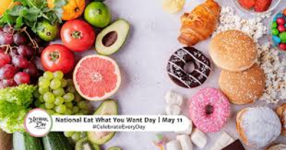
Eat What You Want Day
comes out of the fridge and onto our calendars each May 11th. It is a light-hearted holiday designed to provide a one-day break from the stresses of dieting and restrictive healthy eating trends.

In today's fast-paced world, where time is premium, diets have taken control of people to wish to live a healthy life. All of us have some kind of dish or food that they love but must stay away from because it is not very healthy. This unofficial holiday allows people to take one day from the year and guiltlessly indulge in their favourite foods.

That’s what today is: that one day, eating without remorse; indulging in our favourite foods guilt-free for one day. It’s not necessarily about eating in excess but rather giving ourselves permission to eat something we usually avoid.

SO:
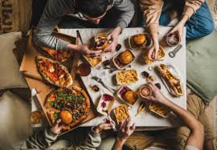
  • Ditch the Diet: Set aside your "no-no" list for 24 hours. Whether it’s donuts, burgers, or ice cream, enjoy them without remorse.
  • Try Something New: Use the day as an excuse to visit a restaurant you've been curious about or try a unique food combination.
  • Breakfast for Dinner: Flip the script by having pancakes or waffles as your final meal of the day.
  • Childhood Favourites: Recreate a nostalgic comfort meal, like your family's secret mac and cheese recipe
While it's a day for indulgence, many nutritionists agree that occasional flexibility can be beneficial for a sustainable healthy relationship with food. However, individuals with specific medical conditions or allergies should still prioritise their health during the celebration. (While the day encourages indulgence, many observe the holiday under the "everything in moderation" mindset.)

Indulgent food choices are endless just about, from fettuccini alfredo to shrimp tempura, and humorous stories of overindulgence, from pizzas to tacos, to exotic, to every-day treats – it’s “all-in.”

Today’s the perfect excuse to ignore the salad drawer, have the pudding, and remember life’s too short to count every crisp. Balance is important… but so is garlic bread.

Eat whatever you want. Pig out on decadent desserts, stuff yourself with delicious food, go into a food coma feasting on rich, yummy dishes.

Eat on foodies!!!


Fun Facts about Eat What You Want Day:
  • The Goal is Pleasure, Not Excess: While it sounds like an all-you-can-eat marathon, the true intent is to reduce food-related stress.
  • Use the day to face your "food kryptonite" - that one specific treat they usually avoid because they find it irresistible.
  • Experts suggest that occasional, intentional indulgence can help reduce feelings of deprivation, making it easier to maintain healthy eating habits long-term.
  • View this day as an opportunity to practice listening to your body's true cravings rather than following strict food rules.


"Life’s too short to eat bad food."

"Good food, good mood."

"Calories are just fuel, not a scoreboard."

"First, we eat. Then, we do the things."


1778447022736.png


1778447039189.png


1778447058926.png


1778447074428.png
 
Eat What You Want Day comes out of the fridge and onto our calendars each May 11th. It is a light-hearted holiday designed to provide a one-day break from the stresses of dieting and restrictive healthy eating trends.

In today's fast-paced world, where time is premium, diets have taken control of people to wish to live a healthy life. All of us have some kind of dish or food that they love but must stay away from because it is not very healthy. This unofficial holiday allows people to take one day from the year and guiltlessly indulge in their favourite foods.

That’s what today is: that one day, eating without remorse; indulging in our favourite foods guilt-free for one day. It’s not necessarily about eating in excess but rather giving ourselves permission to eat something we usually avoid.

SO:
  • Ditch the Diet: Set aside your "no-no" list for 24 hours. Whether it’s donuts, burgers, or ice cream, enjoy them without remorse.
  • Try Something New: Use the day as an excuse to visit a restaurant you've been curious about or try a unique food combination.
  • Breakfast for Dinner: Flip the script by having pancakes or waffles as your final meal of the day.
  • Childhood Favourites: Recreate a nostalgic comfort meal, like your family's secret mac and cheese recipe
While it's a day for indulgence, many nutritionists agree that occasional flexibility can be beneficial for a sustainable healthy relationship with food. However, individuals with specific medical conditions or allergies should still prioritise their health during the celebration. (While the day encourages indulgence, many observe the holiday under the "everything in moderation" mindset.)

Indulgent food choices are endless just about, from fettuccini alfredo to shrimp tempura, and humorous stories of overindulgence, from pizzas to tacos, to exotic, to every-day treats – it’s “all-in.”

Today’s the perfect excuse to ignore the salad drawer, have the pudding, and remember life’s too short to count every crisp. Balance is important… but so is garlic bread.

Eat whatever you want. Pig out on decadent desserts, stuff yourself with delicious food, go into a food coma feasting on rich, yummy dishes.

Eat on foodies!!!


Fun Facts about Eat What You Want Day:
  • The Goal is Pleasure, Not Excess: While it sounds like an all-you-can-eat marathon, the true intent is to reduce food-related stress.
  • Use the day to face your "food kryptonite" - that one specific treat they usually avoid because they find it irresistible.
  • Experts suggest that occasional, intentional indulgence can help reduce feelings of deprivation, making it easier to maintain healthy eating habits long-term.
  • View this day as an opportunity to practice listening to your body's true cravings rather than following strict food rules.


"Life’s too short to eat bad food."

"Good food, good mood."

"Calories are just fuel, not a scoreboard."

"First, we eat. Then, we do the things."


View attachment 37595


View attachment 37596


View attachment 37597


View attachment 37598
IN MODERATION!
Use smaller plates and smaller portions of anything you like.
See above, cut the burger in half, half the fries etc.
Once you get in the groove it’s not difficult.

I’m a good example , I’ve increased my weight since I started the above plan and using Ozempic. My doctor says I some sort of freak, the only patient he has who has put on weight using Ozempic !!! ( and eating 1/2 serves) but he says he has a special solution for me !!!!
Sew up my mouth …..
Not funny ….
 
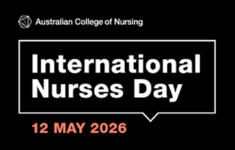
International Nurses Day (IND) shifts onto our calendars each May 12 marking the birth anniversary of Florence Nightingale.

The 2026 theme, set by the International Council of Nurses (ICN), is "Our Nurses. Our Future. The economic power of care," highlighting the vital role of nurses in health systems.

Nursing is not simply a career. It is a commitment to humanity.

From fast-paced emergency departments to quiet aged care facilities, nurses are the constant presence patients rely on. They advocate, they comfort, they lead, and they adapt, often in high-pressure environments where every second matters. Their emotional intelligence is as critical as their clinical expertise.

Yet, what often goes unseen is the strength it takes to show up every day. The long hours. The emotional weight. The responsibility of making decisions that can change lives. And still, they do it. Because for nurses, care is not a task. It is purpose.

Empowered nurses are confident decision-makers.
They are leaders in multidisciplinary teams.
They are innovators who improve patient outcomes.

In Australia, the importance of nurses is reflected not just in stories, but in the numbers:

There are over 450,000 registered nurses and midwives currently in the Australian workforce. Australian Government Department of Health and Aged Care

Healthcare and social assistance remains Australia’s largest employing industry, accounting for around 15% of the total workforce, with registered nurses one of the largest individual occupations within the sector.

Projections indicate that employment for registered nurses is expected to grow by more than 11% over the next five years, driven by an ageing population, chronic illness, and expanding health services.

Nurses are the backbone of the healthcare system. They provide essential services that ensure the well-being of patients. They are the first point of contact for patients, delivering compassionate care while also being advocates for health needs. In Australia, nurses work across various settings, such as hospitals, community health centres, and aged care facilities, each contributing to improving patient outcomes.

As healthcare professionals, nurses are at the forefront of implementing evidence-based practices, educating patients, and collaborating with multidisciplinary teams. Their expertise is vital in managing chronic diseases, promoting preventive care, and responding to public health crises, such as the COVID-19 Pandemic. Recognising their contributions is crucial in fostering a supportive environment that values and uplifts the nursing profession.

International Nurses Day is not just a celebration, it is a call for action for healthcare leaders, policymakers and the community in recognising and supporting the vital work of nurses. Investing in their professional development and providing them with the necessary resources can enhance the quality of care delivered to patients.

This significant day lets us reflect on the invaluable contribution of nurses in our healthcare system.

As one of the Australian representatives of ICN, the Australian College Australian College of Nursing (ACN) is hosting a free event at the Australian War Memorial Theatre in Canberra on Saturday, 9 May 2026, from 2:30 pm to 4:30 pm, while various regional and specialist events are scheduled across the country. The McGrath Foundation and other organizations use this day to spotlight specialized care, such as breast cancer and other cancer nursing support.

To every nurse working tirelessly today:
Your impact is immeasurable. Your dedication does not go unnoticed.

To every future nurse preparing to step into this profession:
The world needs you, not just as a caregiver, but as a leader, an advocate, and a changemaker.

But today, we simply thank you for your service.


Fun Facts about Nursing:
  • Nurses walk an average of 6.4–8 km during a typical 12-hour shift. That’s almost a mini-marathon every week!
  • Nursing is invariably ranked as the most honest and ethical profession
  • There are over 30 million nurses and midwives worldwide, making it the largest healthcare profession on the planet.
  • Male representation is growing; in Australia, roughly 10% of nurses are men
  • There are over 100 different areas of nursing specialization, ranging from flight nursing to forensic nursing


"Caring is the essence of nursing."

“I’m a nurse because ‘miracle worker’ isn’t an official title.”

“Nurses are superheroes in scrubs.”

“When you’re a nurse, you know that every day you will touch a life or a life will touch yours.”


1778535003691.png


1778535022376.png


1778535039397.png


1778535058131.png
 
I have huge respect for Nurses. The long hours of shift work, dealing with difficult patients & often more difficult doctors that treat them like rubbish.
Any time I have been in hospital the nursing staff have been absolutely wonderful to me. They honestly deserve more money than they get, it is not a job I could ever do. Thank you Nurses.
 
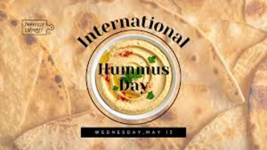
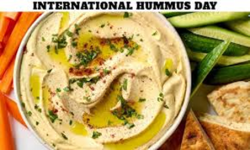
International Hummus Day is served onto our calendars each 13 May,

IHD is an annual, international celebration dedicated to enjoying the Middle Eastern chickpea dip for any meal, with many cafes and restaurants often highlighting special dishes, recipes, or offers on the day.

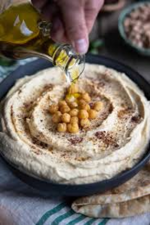
Hummus is an Eastern Mediterranean and Egyptian food. It may come in the form of a dip or a spread that is made from cooked, mashed chickpeas or other beans, and then blended with tahini, olive oil, lemon juice, salt, and garlic. It is low in saturated fat and high in fibre and protein. It’s rich in omega-3 fats, calcium, magnesium, iron, and zinc. Including hummus in your diet may help reduce cholesterol, blood pressure, and the risk of heart diseases.

The most basic hummus recipe consists of chickpeas, tahini (ground sesame seeds), olive oil, lemon juice, and garlic. Some people like different flavours of hummus. These flavours include sun-dried tomato, spinach and artichoke, red pepper, basil pesto, chipotle, roasted garlic, and lemon.

Every flavour of hummus is considered a very healthy food, too. Hummus packs a wide variety of vitamins and minerals into a single serving. With each delicious bite:

  • Hummus provides folate, copper, manganese, magnesium, iron, zinc, and Vitamin B6.
  • Hummus is also a low-carb food with a plant-based protein.
  • It’s high in fibre, which promotes digestive health and feeds good gut bacteria.
  • The ingredients used have been proven to fight inflammation.
  • It has a low glycemic index, which means it helps control blood sugar levels.
  • Chickpeas are considered a heart-healthy food that reduces the risk of heart disease.
  • It promotes weight loss and the ability to maintain a healthy body weight.

People all over the world eat hummus because it’s free of many common food allergens, including gluten, nuts, and dairy. The tahini (sesame paste) and olive oil in hummus contain heart-healthy fats that help improve cholesterol levels.

Hummus has transcended its Middle Eastern origins to become a global culinary staple. Its rise in popularity has led to the creation of various flavours and its incorporation into diverse dishes, reflecting its adaptability and widespread appeal.

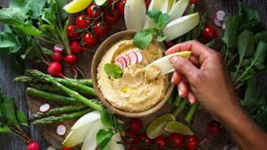
While traditional hummus is fabulous, it is made so much better by the items that are dipped into or poured on top of! Mix it up by adding a few of these to the hummus repertoire:
  • Vegetables. Including carrot sticks, celery sticks, cucumber slices, sliced bell peppers, broccoli, cauliflower, zucchini slices or radishes.
  • Bread. More than just a boring old slice of toast, bread can be an exciting foray into the world of hummus. Try using pretzel sticks, pita bread slices, bagel chips, crackers, tortilla chips, rice cakes, or crusty bread pieces.
Today, we celebrate the popular dip, promote its consumption, and share creative recipes (including traditional and unique flavours). We Aussies celebrate by making homemade hummus, visiting local Middle Eastern restaurants ('hummusias'), or trying new variations like chocolate or roasted pepper hummus.

Hummus is more than just a dip—it’s a cultural icon, a health food hero, and a unifier of taste buds around the globe. So, the next time you enjoy a scoop of Holy Hummus, remember: you’re part of a centuries-old tradition that continues to inspire and delight.

If you’ve never tried hummus, grab some pita bread or carrots and give it a try.
And if you’re already a “Hummus-believer,” keep enjoying all that’s so good for you.


Fun Facts about Hummus:
  • Beyond traditional, hummus comes in many flavours, including roasted red pepper, black olive, pesto, and even chocolate.
  • Hummus has been called a “peace food” by some, symbolizing unity in the Middle East. Its widespread popularity and shared history across cultures make it a dish that brings people together—one pita chip at a time.
  • Astronauts have taken hummus to space! Its long shelf life and nutrient-packed profile make it an ideal snack for zero-gravity munching.


"Dip dreams are made of peas."

"Life is smoother with a little tahini."

“Hummus is proof that good things spread”

“Spreading good vibes one pita at a time”


1778619480142.png


1778619498473.png


1778619513191.png


1778619532203.png
 

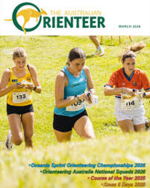
World Orienteering Day navigates onto our calendars each 14 May as a prelude to World Orienteering Week May 16 – May 24..

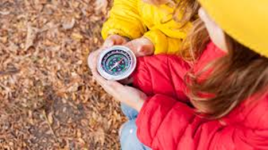
It’s about people exploring the outdoors with a map and compass. Participants navigate through forests, parks, or urban areas, aiming to find specific checkpoints.

This activity combines physical movement with mental challenges, making it both fun and engaging. It’s suitable for individuals of all ages and fitness levels, encouraging them to think on their feet while enjoying nature.

Beyond the adventure, this day promotes valuable life skills. Participants enhance their decision-making abilities, spatial awareness, and self-confidence. Engaging in orienteering can also improve physical health and mental well-being.

Moreover, it fosters a sense of community, as people come together to share experiences and learn from one another. Through these activities, World Orienteering Day highlights the joy of discovery and the benefits of active living.

Orienteering is for everyone and is generally considered safe for beginners and children when basic precautions are followed, such as choosing age‑appropriate courses, wearing suitable footwear and clothing, staying in groups, and ensuring clear instructions and supervision.

National federations and clubs usually grade courses by difficulty and length, which helps match participants to terrain and navigation challenges they can handle.

Newcomers mainly need to learn how to read a simple topographic or orienteering map, orient the map to north, recognize key symbols like paths and contour lines, and make short route choices between checkpoints.

Many clubs teach a step‑by‑step approach that begins with following linear features such as paths or fences, then gradually adds compass use and distance estimation.

Fitness helps but is not essential at the entry level, since beginner courses can be completed by walking at a comfortable pace.

Unlike hiking or trail running, orienteering involves navigating between specific control points using a detailed map, often away from main trails, and choosing one’s own route instead of following a single marked path.

Courses are usually timed, so participants balance speed with accurate decision‑making.

Maps are far more detailed than standard hiking maps, showing fine‑scale features like small knolls, boulders, or vegetation boundaries that are crucial for precise navigation.

Research suggests that regular navigation with detailed maps can strengthen spatial awareness, mental rotation, and way-finding skills that transfer to daily tasks such as understanding directions, using maps in new cities, or judging distances while traveling.

Orienteering includes several disciplines that suit different environments and abilities, such as sprint orienteering in urban areas, mountain bike orienteering on trails, ski orienteering on groomed or back country tracks, and trail orienteering, which emphasizes precise map reading and is designed to be accessible regardless of physical mobility.

These variations use the same basic principles of navigation but adapt maps, equipment, and course design to each setting.

Many clubs use trail orienteering and permanently accessible courses to welcome participants with limited mobility or visual or cognitive differences.

Trail orienteering focuses on map interpretation and decision‑making rather than speed, with courses set along paths or wheelchair‑accessible tracks and controls viewed from designated observation points.

Organizers can also provide large‑print maps, tactile aids, or guides, following inclusive sport guidelines from national federations and Paralympic‑aligned organizations.

Responsible orienteering aims to minimize impact on ecosystems by avoiding sensitive habitats, limiting participant numbers, sticking to durable surfaces when possible, and consulting land managers before setting courses.

Course planners are encouraged to protect wildlife breeding areas and fragile vegetation, adjust routes in wet conditions to reduce erosion, and educate participants about leave‑no‑trace principles, such as packing out all waste and respecting local flora and fauna.

Orienteering in Australia is a popular, year-round navigational sport managed by Orienteering Australia that combines mental challenge with physical activity (running, walking, or mountain biking) to find checkpoints. Events range from urban street/park races to intense bush navigation suitable for all ages and fitness levels.

During World Orienteering Week, local clubs and organizations across Australia, such as Orienteering NSW, hold regular competitive events throughout this period, attracting young and old alike, designated into age/experience standards, including:

  • Park/Street & Sprint: Urban events focused on speed, often held in suburbs, parks, or school campuses.
  • Bush Orienteering: Traditional cross-country navigation in forests, featuring both easy track-based courses and difficult, long-distance routes.
  • Mountain Bike Orienteering: Combines riding with navigation on bike-accessible tracks.

Orienteering is addictive.It’s mind, body and testing our limits, all in a safe and guided environment.

Maybe time now to look outside the square and follow the topography……


Fun Facts about Orienteering:

  • Often called "the thinking sport" because it combines the physical intensity of cross-country running with the mental challenge of high-speed navigation.
  • There are active orienteering federations in over 70 countries worldwide.
  • Serious competitors often use a thumb compass, which attaches directly to the hand to allow for faster map reading while running.
  • The golden rule for orienteering is that the map should always be orientated towards north. This means that the map will then correspond to the features on the ground. A compass is not needed so long as the children understand that the red arrows on the map should point toward the top of the park (away from the coast).


"Orienteering: Half trail runner, half navigator nerd"

"Orienteers don't get lost. They just lose map contact"

"Character is what you are in the dark"

"Where there's a map, there's a way"


1778707627206.png

1778707642880.png


1778707664118.png


1778707682633.png
 
World Orienteering Day navigates onto our calendars each 14 May as a prelude to World Orienteering Week May 16 – May 24..

It’s about people exploring the outdoors with a map and compass. Participants navigate through forests, parks, or urban areas, aiming to find specific checkpoints.

This activity combines physical movement with mental challenges, making it both fun and engaging. It’s suitable for individuals of all ages and fitness levels, encouraging them to think on their feet while enjoying nature.

Beyond the adventure, this day promotes valuable life skills. Participants enhance their decision-making abilities, spatial awareness, and self-confidence. Engaging in orienteering can also improve physical health and mental well-being.

Moreover, it fosters a sense of community, as people come together to share experiences and learn from one another. Through these activities, World Orienteering Day highlights the joy of discovery and the benefits of active living.

Orienteering is for everyone and is generally considered safe for beginners and children when basic precautions are followed, such as choosing age‑appropriate courses, wearing suitable footwear and clothing, staying in groups, and ensuring clear instructions and supervision.

National federations and clubs usually grade courses by difficulty and length, which helps match participants to terrain and navigation challenges they can handle.

Newcomers mainly need to learn how to read a simple topographic or orienteering map, orient the map to north, recognize key symbols like paths and contour lines, and make short route choices between checkpoints.

Many clubs teach a step‑by‑step approach that begins with following linear features such as paths or fences, then gradually adds compass use and distance estimation.

Fitness helps but is not essential at the entry level, since beginner courses can be completed by walking at a comfortable pace.

Unlike hiking or trail running, orienteering involves navigating between specific control points using a detailed map, often away from main trails, and choosing one’s own route instead of following a single marked path.

Courses are usually timed, so participants balance speed with accurate decision‑making.

Maps are far more detailed than standard hiking maps, showing fine‑scale features like small knolls, boulders, or vegetation boundaries that are crucial for precise navigation.

Research suggests that regular navigation with detailed maps can strengthen spatial awareness, mental rotation, and way-finding skills that transfer to daily tasks such as understanding directions, using maps in new cities, or judging distances while traveling.

Orienteering includes several disciplines that suit different environments and abilities, such as sprint orienteering in urban areas, mountain bike orienteering on trails, ski orienteering on groomed or back country tracks, and trail orienteering, which emphasizes precise map reading and is designed to be accessible regardless of physical mobility.

These variations use the same basic principles of navigation but adapt maps, equipment, and course design to each setting.

Many clubs use trail orienteering and permanently accessible courses to welcome participants with limited mobility or visual or cognitive differences.

Trail orienteering focuses on map interpretation and decision‑making rather than speed, with courses set along paths or wheelchair‑accessible tracks and controls viewed from designated observation points.

Organizers can also provide large‑print maps, tactile aids, or guides, following inclusive sport guidelines from national federations and Paralympic‑aligned organizations.

Responsible orienteering aims to minimize impact on ecosystems by avoiding sensitive habitats, limiting participant numbers, sticking to durable surfaces when possible, and consulting land managers before setting courses.

Course planners are encouraged to protect wildlife breeding areas and fragile vegetation, adjust routes in wet conditions to reduce erosion, and educate participants about leave‑no‑trace principles, such as packing out all waste and respecting local flora and fauna.

Orienteering in Australia is a popular, year-round navigational sport managed by Orienteering Australia that combines mental challenge with physical activity (running, walking, or mountain biking) to find checkpoints. Events range from urban street/park races to intense bush navigation suitable for all ages and fitness levels.

During World Orienteering Week, local clubs and organizations across Australia, such as Orienteering NSW, hold regular competitive events throughout this period, attracting young and old alike, designated into age/experience standards, including:

  • Park/Street & Sprint: Urban events focused on speed, often held in suburbs, parks, or school campuses.
  • Bush Orienteering: Traditional cross-country navigation in forests, featuring both easy track-based courses and difficult, long-distance routes.
  • Mountain Bike Orienteering: Combines riding with navigation on bike-accessible tracks.

Orienteering is addictive.It’s mind, body and testing our limits, all in a safe and guided environment.

Maybe time now to look outside the square and follow the topography……


Fun Facts about Orienteering:

  • Often called "the thinking sport" because it combines the physical intensity of cross-country running with the mental challenge of high-speed navigation.
  • There are active orienteering federations in over 70 countries worldwide.
  • Serious competitors often use a thumb compass, which attaches directly to the hand to allow for faster map reading while running.
  • The golden rule for orienteering is that the map should always be orientated towards north. This means that the map will then correspond to the features on the ground. A compass is not needed so long as the children understand that the red arrows on the map should point toward the top of the park (away from the coast).


"Orienteering: Half trail runner, half navigator nerd"

"Orienteers don't get lost. They just lose map contact"

"Character is what you are in the dark"

"Where there's a map, there's a way"


View attachment 37696

View attachment 37697


View attachment 37698


View attachment 37699
Get lost. 😎
 
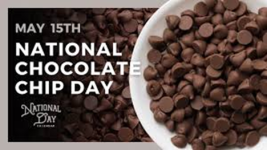
Chocolate Chip Day sweetens our calendars each May 15.

It’s time to bake some cookies, stud your pie dough or even sprinkle a handful into your popcorn and celebrate the fact that we live in a world where you can buy tiny morsels of chocolate-y happiness.

Chocolate chips are small, sweet pieces of chocolate. People use them in many yummy desserts. You'll often find them in chocolate chip cookies and muffins. They are also sometimes added to trail mix or pancakes for a sweet treat. Chocolate chips usually have a round, flat-bottomed teardrop shape. They come in different sizes, from tiny to large. Most are smaller than 1 centimetre. You can also find them as small square or rectangular chocolate chunks.

The theme for CCD for 2026 involves "chipping in" by baking cookies, adding chocolate chips to popcorn, or enjoying premium Australian chocolate creations like brownies and rocky road.

Add chocolate chips to all our meals of the day. Start our day by making chocolate chip pancakes or adding chocolate chips to our cereal. For our midday snack, whip up a batch of chocolate chip cookies or chocolate chip muffins. Throw some chocolate chips in our lunch yogurt and end the day with some delicious chocolate chip ice cream.

Chocolate chips in Australia are readily available in baking aisles at major supermarkets (Woolworths, Coles, Aldi), generally priced around $5AUD for 200g-250g, with popular options including house-brand milk/dark chips and Cadbury Baking Chips. They are designed to be "bake-stable" to hold their shape in cookies.

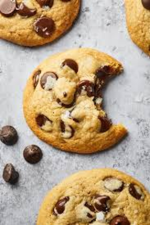
And the stand-out Aussie fav when we talk choc-chips is the iconic chocolate chip cookie. The sensory experience of biting into a chunky chocolate chip cookie is a significant driver of its popularity. The contrast between a crisp exterior and a soft, chewy interior creates a delightful textural balance.

Large chocolate chunks, often made with high-quality dark or milk chocolate, provide bursts of rich flavour, satisfying sweet cravings. Australia also added Nutella to their chunky cookie recipes for a burst of hazelnut in each bite. The generous size of these cookies enhances their indulgent appeal, making them feel like a substantial treat rather than a fleeting snack.

Australians, known for their appreciation of bold flavours, gravitate towards the cookie’s intense sweetness tempered by a hint of saltiness, often achieved through salted butter or a sprinkle of sea salt. The aroma of freshly baked cookies, with notes of vanilla and caramelised sugar, evokes nostalgia and comfort, further cementing their status as a go-to treat. This multisensory experience makes chunky chocolate chip cookies irresistible to a wide audience.

With over 65,000 monthly searches on Google, it’s obvious that chunky chocolate chip cookies have become a beloved treat across Australia, captivating the palates of young and old alike. Their widespread popularity stems from a combination of cultural affinity, sensory appeal, and adaptability to local tastes.

While there’ll always be a special place in our hearts reserved for chocolate chip cookies, there are more ways to celebrate the choccy chip today:

Throw some dark chocolate chips into your (buttered, salted) popcorn.
Fold a mix of dark and milk choc chips into good-quality vanilla ice-cream. Top with a tiny sprinkle of sea salt.
Stud choc chips into your pie dough.
Go chip crazy: add to literally any sweet baked delight, including pancakes, waffles or French toast.
Swirl through porridge. Go on…...
Just enjoy your chocolate chips anyway you want.

There’s no loser here – it’s a simple matter of Aussie taste.


Fun Facts about Chocolate Chips:
  • Chocolate chips now come in a variety of flavours: milk, dark, white and caramel.
  • Chocolate chip biscuits are among the most popular homemade treats.
  • Chocolate chips are designed to be bake stable, which means they can withstand high oven temperatures, even up to 200 degrees Celsius. This ensures chocolate chips are able to keep their ubiquitous teardrop shape, making them the perfect topping for cookies and brownies.


“Happiness is just one chip away”

“Bake the world a better place”

“Life is what you bake it”

“Bake it till you make it”


1778791507843.png


1778791523808.png


1778791304741.png


1778791326695.png
 
World Whisky Day slow-sips its way onto our calendars each May 16.

Whisky is one of the iconic alcoholic drinks across the planet as a mixer for outstanding cocktails, or poured over some ice, taken with water or simply straight up.

Whiskey or whisky??
It all spells enjoyment.

Whisky is more than just a drink - it’s shaped by laws, materials, and time. From strict production rules to the role of oak barrels and even the influence of climate, whisky can taste so different depending on where and how it’s made.

Drinking whiskey is a sensory experience often described as a complex, warming, and slow-sipping ritual that explores aromas and flavours ranging from sweet caramel and vanilla to smoky, woody, and earthy notes. It involves observing the amber colour, nosing for aromas, and sipping slowly to feel the spirit’s "finish" - a lingering warming sensation at the back of the tongue.

Once known is never forgotten.

Australians love whisky due to a booming local craft industry, a strong appreciation for high-quality, flavour-forward spirits, and a culture that values both premium, varied drinking experiences and casual camaraderie. The explosion of world-class, award-winning Tasmanian and mainland distilleries, combined with a climate that accelerates aging and creates unique, bold, and fruity flavour profiles, fuels a passion that only whisky drinkers know.

Where the "best" whisky is from depends heavily on personal preference, but top-tier whiskies generally come from Scotland, Ireland, the USA, Japan, and Tasmania. Scotland is considered the premier region, specifically Speyside for fruitier styles and Islay for smoky, while Kentucky dominates for premium bourbon.

For much of the twentieth century, whisky was culturally associated with a few countries, such as Scotland, Ireland, the United States, and Canada, but newer producers have rapidly reshaped the map.

Distilleries in India and Taiwan, among others, have released single malts that have earned top honours in international competitions, despite often having far younger age statements than traditional Scotch.

The combination of warmer climates, different barley sources, and innovative cask regimes has allowed these regions to produce whiskies with intense flavours in comparatively short maturation periods.

Distilleries now experiment with non-traditional grains, such as quinoa and millet, to create innovative whisky flavours.

Sustainable practices, including upcycling barrels into furniture, are also gaining popularity. Craft distillers are leading these exciting trends.

Our Aussie climate is warmer than Scotland's, resulting in rapid maturation, which gives local whiskies a unique character that is often bolder and more heavily influenced by local fortified wine casks.

Australians generally have a growing preference for quality over quantity, exploring premium single malts, diverse production methods (different grains, experimental casks), and food-pairing options.

When consumed in moderation, whisky offers potential, minor health benefits - such as increased antioxidants, improved heart health, and reduced stress. As a low-calorie, sugar-free option compared to other alcohols, it is often favoured for weight-conscious consumers, though heavy consumption poses serious risks.

It has been shown that whisky even helps lower cholesterol. It has high levels of polyphenols - plant-based antioxidants linked with lowering your risk of heart disease. The polyphenols in whiskey have been shown to decrease “bad” cholesterol (LDL) and increase “good” cholesterol (HDL) levels, and reduce triglycerides, or fat in your blood.

When used in a "hot toddy" (with hot water, lemon, and honey), it can help soothe throat irritation, with the alcohol acting as a temporary numbing agent and reducing congestion.

Sure, whiskey helps: a dram of whiskey, cloves, honey or sugar and a dash of lemon is everything you need to ward off the sniffles and get a good night’s sleep.

But that word “moderation” is the key: excessive whisky consumption leads to addiction, liver damage, and other serious health issues.

But on the flip-side, whisky is to be enjoyed, and one fun thing we can do on World Whisky Day is maybe create your own whisky cocktail. Did someone say Whisky Sour?


And to finish (or should that be start?) – let’s all raise our glass:
'Cheers,' 'Salud,' 'skål,' or 'slàinte' - Here’s lookin’ at ya!.


Fun Facts about Whisky:
  • To be labelled an Irish Whiskey, barrels of the spirit must be spend a minimum of three years maturing on the island of Ireland.
  • The oldest licensed whiskey distillery in the world is the Old Bushmills Distillery in Northern Ireland, which has been legally distilling since 1608. That’s over 400 years of whiskey-making expertise in a single brand!
  • During maturation, about 2-3% of whisky evaporates through the wood, known as the "angel's share".
  • Whiskey does not freeze, which is why 100-year-old bottles found in Antarctica were still liquid.
  • Mountain Dew was originally created as a whiskey chaser.
  • The mash used to make Tabasco sauce is aged for years in used Jack Daniel’s white oak barrels.


“God invented whisky to keep the Irish from ruling the world”

“It is true that whisky improves with age. The older I get, the more I like it”

“Whiskey is liquid sunshine.”

“Take life with a grain of salt… and a shot of whiskey”


1778878892924.png


1778878907429.png


1778878921407.png


1778878945500.png
 

Latest posts

Members online

Back
Top