Navigation
Install the app
How to install the app on iOS
Follow along with the video below to see how to install our site as a web app on your home screen.
Note: This feature may not be available in some browsers.
More options
Style variation
You are using an out of date browser. It may not display this or other websites correctly.
You should upgrade or use an alternative browser.
You should upgrade or use an alternative browser.
The shirt worn by Pelé in the 1958 World Cup final has sold for £3.6M at a Sotheby's auction in New York.
The seller bought the shirt in 2004 for £70,000.
They have made a 5,000% return on investment.
It is now the second-most expensive football shirt ever sold, behind the Argentina jersey Diego Maradona wore when he scored the infamous 'Hand of God' goal against England at the 1986 World Cup, which fetched £7.1M in 2022.
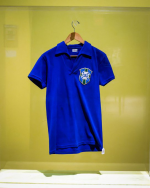
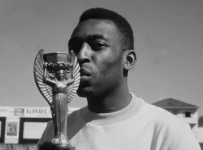
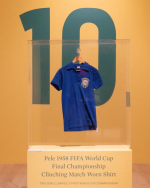
The seller bought the shirt in 2004 for £70,000.
They have made a 5,000% return on investment.
It is now the second-most expensive football shirt ever sold, behind the Argentina jersey Diego Maradona wore when he scored the infamous 'Hand of God' goal against England at the 1986 World Cup, which fetched £7.1M in 2022.
After the devastating 2011 earthquake and tsunami, Japan
 launched one of the world's most ambitious disaster-prevention efforts.
To better protect its coastal communities, the country built a massive 246-mile (nearly 400-kilometer) tsunami wall
 designed to reduce the impact of powerful waves.
In addition, more than 9 million trees
 have been planted along vulnerable coastlines to help stabilize the land, reduce erosion, and act as natural barriers against storms and flooding.
While no defense can completely stop nature's force, Japan continues to combine advanced engineering
 , environmental restoration
 , and cutting-edge early warning systems
 to improve resilience and save lives.
These long-term investments reflect the country's commitment to preparing for future disasters and protecting generations to come.

To better protect its coastal communities, the country built a massive 246-mile (nearly 400-kilometer) tsunami wall
In addition, more than 9 million trees
While no defense can completely stop nature's force, Japan continues to combine advanced engineering
These long-term investments reflect the country's commitment to preparing for future disasters and protecting generations to come.

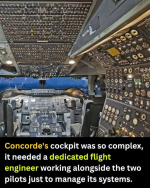
The Concorde's cockpit needed a third person just to keep the plane in the air — and his job was unlike anything on a normal jet.
While standard airliners flew (and still fly) with two pilots, Concorde required a dedicated Flight Engineer, seated behind the captain and co-pilot at his own dedicated panel. He wasn't just backup. He was essential.
Here's what made his job so demanding:
Fuel as a balancing act. Concorde carried 95 tons of fuel across 13 separate tanks. As the aircraft accelerated toward Mach 2, its center of pressure shifted backward. To compensate, the Flight Engineer continuously pumped fuel between tanks to keep the plane balanced — essentially trimming a supersonic aircraft in real time. Some passengers reported feeling the fuel moving beneath the cabin floor mid-flight.
Over 200 gauges, no automation to lean on. Every wall, the ceiling, the pedestal, all of it was packed with analog dials and switches. There was no glass cockpit. Pilots read a Mach meter with orange "bugs" marking safe speed ranges tied to the shifting center of gravity, plus separate readouts for the droop nose position and variable engine air intake ramps.
Four engines under constant watch. The Flight Engineer monitored the Olympus turbojets and their afterburners (reheat), used to punch through the sound barrier, along with engine pressure ratios, temperatures, and hydraulics — all of it manually cross-checked, not automated.
Advanced for its time, but still hands-on. Concorde did have fly-by-wire controls and dual autopilots with autoland capability — genuinely ahead of its era. But the sheer complexity of supersonic flight meant no amount of 1960s-70s automation could fully replace constant human oversight.
Air France called it a "temple of technology." Looking at the cockpit today, it's easy to see why.
Concorde retired in 2003. Nothing has replaced it since.
While standard airliners flew (and still fly) with two pilots, Concorde required a dedicated Flight Engineer, seated behind the captain and co-pilot at his own dedicated panel. He wasn't just backup. He was essential.
Here's what made his job so demanding:
Fuel as a balancing act. Concorde carried 95 tons of fuel across 13 separate tanks. As the aircraft accelerated toward Mach 2, its center of pressure shifted backward. To compensate, the Flight Engineer continuously pumped fuel between tanks to keep the plane balanced — essentially trimming a supersonic aircraft in real time. Some passengers reported feeling the fuel moving beneath the cabin floor mid-flight.
Over 200 gauges, no automation to lean on. Every wall, the ceiling, the pedestal, all of it was packed with analog dials and switches. There was no glass cockpit. Pilots read a Mach meter with orange "bugs" marking safe speed ranges tied to the shifting center of gravity, plus separate readouts for the droop nose position and variable engine air intake ramps.
Four engines under constant watch. The Flight Engineer monitored the Olympus turbojets and their afterburners (reheat), used to punch through the sound barrier, along with engine pressure ratios, temperatures, and hydraulics — all of it manually cross-checked, not automated.
Advanced for its time, but still hands-on. Concorde did have fly-by-wire controls and dual autopilots with autoland capability — genuinely ahead of its era. But the sheer complexity of supersonic flight meant no amount of 1960s-70s automation could fully replace constant human oversight.
Air France called it a "temple of technology." Looking at the cockpit today, it's easy to see why.
Concorde retired in 2003. Nothing has replaced it since.
In 1989, the East German state airline Interflug decided to retire one of its massive four-engine jetliners, an Ilyushin Il-62. The aircraft was slated for donation to a museum in Stölln—the historic village where German flight pioneer Otto Lilienthal conducted his early gliders' experiments.
However, the logistics of getting a 100-ton long-haul passenger jet across the country presented a massive headache: dismantling the plane, trucking it over land, and reassembling it at the site would have been outrageously expensive and complex.
Captain Heinz-Dieter Kallenbach proposed a daring alternative: instead of taking the plane apart, he would simply fly it straight into Stölln and land it on the town's small, 860-meter grassy airstrip. To make the impossible landing work, Kallenbach and his crew meticulously calculated every detail, stripping non-essential equipment to reduce weight and preparing a high-stakes short-field landing maneuver.
Because grass runways offer virtually no braking friction and the distance was less than half of the Il-62's standard required landing length, there was practically zero margin for error.
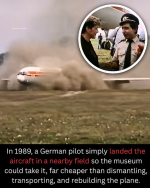
On October 23, 1989, Kallenbach approached the field, deployed maximum reverse thrust before touching down, and slammed the jet onto the unpaved surface, whipping up a massive cloud of dust as the aircraft skidded to a safe stop just before the end of the grass strip.
The unbelievable spectacle was captured on video and earned a spot in the Guinness Book of World Records.
Today, the aircraft, affectionately nicknamed "Lady Agnes" after Otto Lilienthal's wife, remains preserved in that same field as a museum and event venue.
However, the logistics of getting a 100-ton long-haul passenger jet across the country presented a massive headache: dismantling the plane, trucking it over land, and reassembling it at the site would have been outrageously expensive and complex.
Captain Heinz-Dieter Kallenbach proposed a daring alternative: instead of taking the plane apart, he would simply fly it straight into Stölln and land it on the town's small, 860-meter grassy airstrip. To make the impossible landing work, Kallenbach and his crew meticulously calculated every detail, stripping non-essential equipment to reduce weight and preparing a high-stakes short-field landing maneuver.
Because grass runways offer virtually no braking friction and the distance was less than half of the Il-62's standard required landing length, there was practically zero margin for error.
On October 23, 1989, Kallenbach approached the field, deployed maximum reverse thrust before touching down, and slammed the jet onto the unpaved surface, whipping up a massive cloud of dust as the aircraft skidded to a safe stop just before the end of the grass strip.
The unbelievable spectacle was captured on video and earned a spot in the Guinness Book of World Records.
Today, the aircraft, affectionately nicknamed "Lady Agnes" after Otto Lilienthal's wife, remains preserved in that same field as a museum and event venue.

69-05-41
Well-known member
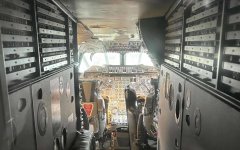
Nope, that is an early 747 and it had significantly more systems than Concorde, it also required a dedicated Flight Engineer.The Concorde's cockpit needed a third person just to keep the plane in the air — and his job was unlike anything on a normal jet.
While standard airliners flew (and still fly) with two pilots, Concorde required a dedicated Flight Engineer, seated behind the captain and co-pilot at his own dedicated panel. He wasn't just backup. He was essential.
Here's what made his job so demanding:
Fuel as a balancing act. Concorde carried 95 tons of fuel across 13 separate tanks. As the aircraft accelerated toward Mach 2, its center of pressure shifted backward. To compensate, the Flight Engineer continuously pumped fuel between tanks to keep the plane balanced — essentially trimming a supersonic aircraft in real time. Some passengers reported feeling the fuel moving beneath the cabin floor mid-flight.
Over 200 gauges, no automation to lean on. Every wall, the ceiling, the pedestal, all of it was packed with analog dials and switches. There was no glass cockpit. Pilots read a Mach meter with orange "bugs" marking safe speed ranges tied to the shifting center of gravity, plus separate readouts for the droop nose position and variable engine air intake ramps.
Four engines under constant watch. The Flight Engineer monitored the Olympus turbojets and their afterburners (reheat), used to punch through the sound barrier, along with engine pressure ratios, temperatures, and hydraulics — all of it manually cross-checked, not automated.
Advanced for its time, but still hands-on. Concorde did have fly-by-wire controls and dual autopilots with autoland capability — genuinely ahead of its era. But the sheer complexity of supersonic flight meant no amount of 1960s-70s automation could fully replace constant human oversight.
Air France called it a "temple of technology." Looking at the cockpit today, it's easy to see why.
Concorde retired in 2003. Nothing has replaced it since.
View attachment 41091
Here is Concorde, I took this photo of G-BOAG in Seattle.
Nope, that is an early 747 and it had significantly more systems than Concorde, it also required a dedicated Flight Engineer.
Here is Concorde, I took this photo of G-BOAG in Seattle.
View attachment 41133
Thanks champion @69-05-41 for fixing that - I just went with the so-called fact checked source.

Buttface
Well-known member
Enthusiast?Nope, that is an early 747 and it had significantly more systems than Concorde, it also required a dedicated Flight Engineer.
Here is Concorde, I took this photo of G-BOAG in Seattle.
View attachment 41133
Pilot?
Back seat flyer?



In October 2002, after the Bali bombings, 28 badly injured victims were flown to Perth for burns treatment.
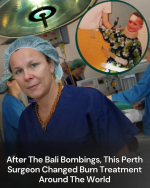
At Royal Perth Hospital, Professor Fiona Wood and her team were suddenly treating some of the most severe burns cases Australia had ever seen.
Wood had already pioneered spray-on skin technology, a technique designed to help burns victims heal faster and reduce scarring.
The Bali bombings made her work known across the country, but the real story was years of research, surgery and persistence before the disaster ever happened.
In one of Australia’s darkest moments, a Perth surgeon helped show the world what modern burns treatment could become.
At Royal Perth Hospital, Professor Fiona Wood and her team were suddenly treating some of the most severe burns cases Australia had ever seen.
Wood had already pioneered spray-on skin technology, a technique designed to help burns victims heal faster and reduce scarring.
The Bali bombings made her work known across the country, but the real story was years of research, surgery and persistence before the disaster ever happened.
In one of Australia’s darkest moments, a Perth surgeon helped show the world what modern burns treatment could become.

Tigerdazz2
Well-known member
I can't believe the utter stupidity and self sabotaging of some of Australia's criminals.
If you are going to transport 13 kilos of METH across Western NSW you'd do your best not draw any attention to yourself.
You wouldn't drive a stolen car, you wouldn't drink drive or drug drive, you wouldn't speed, you'd refrain from breaking any road rules.
Ideally if you have the $$ to be carrying 13 kilos of a drug that, if arrested, would see you spending time for the next quite a few years with HIV or Hep C carrying murderers & rapists, you'd hire a non-descript car.
I don't know what the going rate is for Meth or Cocaine in this day & age but I always thought coke was more expensive than Meth? 🤔
What a loser!
He did nearly everything right, but just one STUPID decision is going to cost him big time! 😂🤣😂🤣
I'm glad he screwed up though, get that 💩 of the streets. I hope they throw the book at him.
Latest News - NSW Police Public Site https://share.google/Hwq9MEejhtvOMJj1R
If you are going to transport 13 kilos of METH across Western NSW you'd do your best not draw any attention to yourself.
You wouldn't drive a stolen car, you wouldn't drink drive or drug drive, you wouldn't speed, you'd refrain from breaking any road rules.
Ideally if you have the $$ to be carrying 13 kilos of a drug that, if arrested, would see you spending time for the next quite a few years with HIV or Hep C carrying murderers & rapists, you'd hire a non-descript car.
I don't know what the going rate is for Meth or Cocaine in this day & age but I always thought coke was more expensive than Meth? 🤔
What a loser!
He did nearly everything right, but just one STUPID decision is going to cost him big time! 😂🤣😂🤣
I'm glad he screwed up though, get that 💩 of the streets. I hope they throw the book at him.
Latest News - NSW Police Public Site https://share.google/Hwq9MEejhtvOMJj1R
Last edited:
Andy Murray never wore his wedding ring on his finger during matches. Instead, since marrying Kim Sears in 2015, he tied it into his shoelaces while playing


In 2021, those shoes were stolen—with the wedding ring still inside. Thankfully, both the shoes and the ring were later recovered.
It's one of the most unique pre-match traditions in tennis.
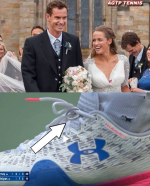
In 2021, those shoes were stolen—with the wedding ring still inside. Thankfully, both the shoes and the ring were later recovered.
It's one of the most unique pre-match traditions in tennis.
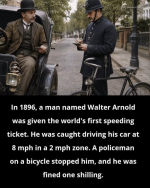

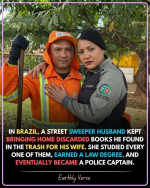
In Brazil, a street sweeper named Raimundo Arruda Filho supported his wife’s dream of education in the most unexpected way.
While working on the streets, he often found discarded books and brought them home for her instead of letting them go to waste. Those forgotten books became valuable tools that helped her continue learning and build a better future.
She carefully studied every book he brought back, using the discarded pages as her own personal library. Through years of dedication, self education, and determination, she eventually earned a law degree. Her journey continued as she achieved an even greater milestone by becoming a police captain.
The couple’s story became a powerful example of how opportunity can come from the most unlikely places.
The books that others threw away became the foundation of knowledge that helped transform her life. Behind her success was also the quiet support of a husband who believed in her dreams and searched for ways to help her achieve them.
While working on the streets, he often found discarded books and brought them home for her instead of letting them go to waste. Those forgotten books became valuable tools that helped her continue learning and build a better future.
She carefully studied every book he brought back, using the discarded pages as her own personal library. Through years of dedication, self education, and determination, she eventually earned a law degree. Her journey continued as she achieved an even greater milestone by becoming a police captain.
The couple’s story became a powerful example of how opportunity can come from the most unlikely places.
The books that others threw away became the foundation of knowledge that helped transform her life. Behind her success was also the quiet support of a husband who believed in her dreams and searched for ways to help her achieve them.
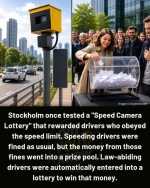
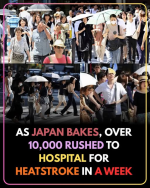
Japan is facing one of its most intense summer heatwaves in recent years, with more than 10,800 people being rushed to hospitals for heatstroke in just one week as temperatures climbed to around 40°C (104°F) in several parts of the country.
According to official figures, 10,857 people were transported by ambulance between July 13 and July 19, making it the first week of the year to exceed 10,000 heat-related hospitalizations.
Tragically, 14 people died, while hundreds of others were reported to be in serious condition. (The Japan Times.
According to official figures, 10,857 people were transported by ambulance between July 13 and July 19, making it the first week of the year to exceed 10,000 heat-related hospitalizations.
Tragically, 14 people died, while hundreds of others were reported to be in serious condition. (The Japan Times.

