

Last edited:
Navigation
Install the app
How to install the app on iOS
Follow along with the video below to see how to install our site as a web app on your home screen.
Note: This feature may not be available in some browsers.
More options
Style variation
You are using an out of date browser. It may not display this or other websites correctly.
You should upgrade or use an alternative browser.
You should upgrade or use an alternative browser.
And today is .......
- Thread starter tiger_one
- Start date
January 8
National English Toffee Day falls on January 8. it's a day to enjoy the delicious, rich, buttery confection, often with chocolate and nuts, known for its hard-crack texture and deep flavour, it's a classic confection, sometimes called "butter crunch,"
This confectionery has a rich history down the ages though now it’s common to either buy it at your convenient retail shop or make your own batch using a classic recipe that includes butter, sugar, and optional toppings like chocolate and crushed nuts.
English Toffee strikes a delicate balance between firmness and chewiness, making it a true pleasure to savor. Who can resist the deeply caramelized, buttery, and nutty flavour? Soft and chewy to very hard; often topped with chocolate and more nuts. What’s not to love?
The ANZAC version, ie Aussies and Kiwis have their own spin on the English toffee where we make a “Hokey Pokey style of toffee, where honeycomb toffee has baking soda and vinegar added so the toffee froths and makes bubbles as it sets, giving a completely different texture. But just as YUMMY!
In 2026, we have such a variety of English toffees that are both traditional in style and others that are “variations of a theme” offering flavours like creamy, treacle, mint, and liquorice, again in traditional chewy formats or chocolate-covered. These varieties are sold via retailers as individually wrapped sweets or in blocks and jars, with options for nationwide delivery.
Dietary options also cater for all types of consumer, including gluten-free and vegetarian-friendly, made with traditional methods, and no artificial colours or preservatives. Again the product size is available in various pack sizes, from 100g blocks to larger assorted jars.
Traditional English toffee in the Australian market is typically distinguished by its hard-crack stage (brittle texture) compared to the softer "soft-crack" stage of butterscotch. Authentic British versions usually focus on buttery sweetness with minimal chocolate or nut layers, though some premium Australian-made varieties include almonds and Belgian chocolate for a "buttercrunch" style.
But wait there’s more.
This famous sweet has now become even more popular when we know that it’s a staple ingredient in making a Sticky Date Pudding – YUMM!
Remember the Toffee Apples of our childhood?
And not to forget the popular Aussie ice-cream flavour, Hokey Pokey – a BIG YUMM.
We all deserve our just desserts.
“Sweet dreams are made of these”
“Toffee is happiness you can chew”
“Toffee breaks are nature’s stress pauses”
“Toffee or not toffee, that is the question”




National English Toffee Day falls on January 8. it's a day to enjoy the delicious, rich, buttery confection, often with chocolate and nuts, known for its hard-crack texture and deep flavour, it's a classic confection, sometimes called "butter crunch,"
This confectionery has a rich history down the ages though now it’s common to either buy it at your convenient retail shop or make your own batch using a classic recipe that includes butter, sugar, and optional toppings like chocolate and crushed nuts.
English Toffee strikes a delicate balance between firmness and chewiness, making it a true pleasure to savor. Who can resist the deeply caramelized, buttery, and nutty flavour? Soft and chewy to very hard; often topped with chocolate and more nuts. What’s not to love?
The ANZAC version, ie Aussies and Kiwis have their own spin on the English toffee where we make a “Hokey Pokey style of toffee, where honeycomb toffee has baking soda and vinegar added so the toffee froths and makes bubbles as it sets, giving a completely different texture. But just as YUMMY!
In 2026, we have such a variety of English toffees that are both traditional in style and others that are “variations of a theme” offering flavours like creamy, treacle, mint, and liquorice, again in traditional chewy formats or chocolate-covered. These varieties are sold via retailers as individually wrapped sweets or in blocks and jars, with options for nationwide delivery.
Dietary options also cater for all types of consumer, including gluten-free and vegetarian-friendly, made with traditional methods, and no artificial colours or preservatives. Again the product size is available in various pack sizes, from 100g blocks to larger assorted jars.
Traditional English toffee in the Australian market is typically distinguished by its hard-crack stage (brittle texture) compared to the softer "soft-crack" stage of butterscotch. Authentic British versions usually focus on buttery sweetness with minimal chocolate or nut layers, though some premium Australian-made varieties include almonds and Belgian chocolate for a "buttercrunch" style.
But wait there’s more.
This famous sweet has now become even more popular when we know that it’s a staple ingredient in making a Sticky Date Pudding – YUMM!
Remember the Toffee Apples of our childhood?
And not to forget the popular Aussie ice-cream flavour, Hokey Pokey – a BIG YUMM.
We all deserve our just desserts.
“Sweet dreams are made of these”
“Toffee is happiness you can chew”
“Toffee breaks are nature’s stress pauses”
“Toffee or not toffee, that is the question”
January 9
National Australian Shepherd Day is celebrated on January 9.
Few dogs match the spark and spirit of the Australian Shepherd. With their sharp minds and tireless drive, they turn everyday moments into something special.
These pups were born to move, think, and stay close to their people.
Whether herding sheep or chasing tennis balls, they throw themselves into the task with full focus and joy. Their expressive eyes and constant curiosity make it hard not to fall for them instantly.
National Australian Shepherd Day reminds us how deeply these dogs touch lives. They support, protect, and entertain with equal passion. Many serve in roles that demand patience, courage, and quick thinking. Others simply fill homes with laughter, loyalty, and warmth. These dogs bring comfort and energy in equal measure.
Aussie Shepherds are more than just beautiful- this breed is exceptionally smart and eager to please, making them fast learners for training and complex tasks. They exhibit high energy levels so require plenty of running, playing, and vigorous activity. Their temperament is loyal, protective, playful, and forms strong bonds with their families, but can be reserved with strangers.
They have a natural strong drive to herd, sometimes attempting to "herd" children or other pets.
For those lucky enough to know them, this breed leaves a lasting impression.
A medium-sized working dog weighs in around 50kgs; Their coat remains medium-length in a weather-resistant double coat, often in blue merle, red merle, black, or red, with white and tan markings. Their eyes are striking, often marbled or in various colours like blue, amber, brown, or combinations.
Like all dog breeds, the Australian Shepherd needs regular daily exercise and mental stimulation (training, dog sports like agility, obedience) to stay happy. Early socialization and consistent training are crucial to manage their intelligence and instincts. Moderate grooming is needed; they shed heavily and require regular brushing. These dogs are generally healthy, but prone to issues like hip dysplasia, eye conditions (CEA, cataracts), and epilepsy.
The Aussie Shepherds suit active families, farmers, or individuals who enjoy outdoor activities and can commit to training and providing a "job" for their dog, preventing boredom and ensuring they become well-adjusted companions.
Fun Facts about Australian Shepherds:
“We were told angels have wings: no one told me that some have paws”
“Aussie shepherds are not our whole life, but they make our lives whole.”
“To err is human — to forgive, canine.”
“Time spent with my Aussie Shepherd is never wasted”




National Australian Shepherd Day is celebrated on January 9.
Few dogs match the spark and spirit of the Australian Shepherd. With their sharp minds and tireless drive, they turn everyday moments into something special.
These pups were born to move, think, and stay close to their people.
Whether herding sheep or chasing tennis balls, they throw themselves into the task with full focus and joy. Their expressive eyes and constant curiosity make it hard not to fall for them instantly.
National Australian Shepherd Day reminds us how deeply these dogs touch lives. They support, protect, and entertain with equal passion. Many serve in roles that demand patience, courage, and quick thinking. Others simply fill homes with laughter, loyalty, and warmth. These dogs bring comfort and energy in equal measure.
Aussie Shepherds are more than just beautiful- this breed is exceptionally smart and eager to please, making them fast learners for training and complex tasks. They exhibit high energy levels so require plenty of running, playing, and vigorous activity. Their temperament is loyal, protective, playful, and forms strong bonds with their families, but can be reserved with strangers.
They have a natural strong drive to herd, sometimes attempting to "herd" children or other pets.
For those lucky enough to know them, this breed leaves a lasting impression.
A medium-sized working dog weighs in around 50kgs; Their coat remains medium-length in a weather-resistant double coat, often in blue merle, red merle, black, or red, with white and tan markings. Their eyes are striking, often marbled or in various colours like blue, amber, brown, or combinations.
Like all dog breeds, the Australian Shepherd needs regular daily exercise and mental stimulation (training, dog sports like agility, obedience) to stay happy. Early socialization and consistent training are crucial to manage their intelligence and instincts. Moderate grooming is needed; they shed heavily and require regular brushing. These dogs are generally healthy, but prone to issues like hip dysplasia, eye conditions (CEA, cataracts), and epilepsy.
The Aussie Shepherds suit active families, farmers, or individuals who enjoy outdoor activities and can commit to training and providing a "job" for their dog, preventing boredom and ensuring they become well-adjusted companions.
Fun Facts about Australian Shepherds:
- Despite the name, the Australian Shepherd does not originate from Australia! Their ancestors were likely Spanish herding dogs from the Basque region of Spain and France. The breed was further developed in the United States to become today’s Australian Shepherd. One theory on the origin of this name is that the sheep they were herding came from Australia. The other theory was these Basque shepherds came first to Australia before they were imported into the United States.
- SMILE! According to people who own or who have owned Australian Shepherds, this breed will smile and show all their teeth. Apparently, Aussies are most likely to smile when they’ve been caught doing something mischievous.
“We were told angels have wings: no one told me that some have paws”
“Aussie shepherds are not our whole life, but they make our lives whole.”
“To err is human — to forgive, canine.”
“Time spent with my Aussie Shepherd is never wasted”
January 10
National Bittersweet Chocolate Day is celebrated each 10 January.
Today is all-in. Indulge in this darker, richer confectionery along with its various health benefits and bake some chocolate chip cookies to really bring out the flavour.
Sometimes the rich, sweet flavour of milk chocolate just isn’t what will satisfy that craving. Sometimes, the taste buds want to relish in the underlying bitterness that is intrinsic to darker chocolates. Bittersweet chocolate is typically defined by its relatively high percentage of cocoa solids.
The timing, January 10, is meaningful. You might forget about your resolutions to break unhealthy habits after the year’s first ten days. National Bittersweet Chocolate Day can help you kick off healthy habits. You can let the bittersweet chocolate cure your heart, relieve your mind, and improve your social relations.
Today is a unique chance to indulge in bittersweetness: a rare word combination. Isn’t it weird that two almost mutually exclusive words pair and create a delectable flavour? Bitterness is something we don’t often want to hear or experience. People are frequently interested in sweet truths rather than bitter facts. Who dares to go out in the bitter cold? A bitter conflict is hard to settle, just like a bitter disappointment to accept. Many are even unwilling to take bitter medicine despite its healing effect.
Nobody would like to recall bitter memories. Chocolate is a scarce food that presents sweetness in bitterness. National Bittersweet Chocolate Day is an exquisite occasion that creates sweet memories you’d always wish to remember, even years later. Therefore, running out of bittersweet chocolate on this blissful day would indeed be a bitter pill to swallow. The best thing to do on the day is to spoil your heart, mind, and stomach with bittersweet chocolate. You can then put aside bitter arguments and share the day’s joy with others.
National Bittersweet Chocolate Day is an exceptional time when the dark gives out bright feelings. Who’d normally aspire to see the dark side of things? Can you brighten up your life on a day with dark clouds? Everyone craves to get over dark times and wake up to brighter days. A dark room makes you feel gloomy. You may have dark secrets you cannot share with family and friends. Yet, dark chocolate brightens the day, rocks the heart, and exhilarates emotions. National Bittersweet Chocolate Day is a fantastic event to share the brightness in the dark with anyone else.
There are certainly a lot of different types of chocolates from all around the world, but dark chocolate reigns supreme today, on National Bittersweet Chocolate Day.
In recent years, it has come to the attention of healthy people that chocolate can actually be healthy. Sure, the sugary-sweet versions that are packed with milk solids are not very good for the body, but don’t blame the chocolate! The actual chocolate itself can be very nutritious when consumed in moderation, with health benefits including:
And National Bittersweet Chocolate Day is the perfect day to enjoy just that! (The “moderation” part is usually the tough part!)
Fun Facts about Bittersweet Chocolate:
“OCD stands for Obsessive Chocolate Disorder.”
“Join the dark side.”
“Bittersweeet chocolate is like duct tape—it fixes everything!”
“Bittersweet chocolate never asks silly questions; chocolate simply understands.”




National Bittersweet Chocolate Day is celebrated each 10 January.
Today is all-in. Indulge in this darker, richer confectionery along with its various health benefits and bake some chocolate chip cookies to really bring out the flavour.
Sometimes the rich, sweet flavour of milk chocolate just isn’t what will satisfy that craving. Sometimes, the taste buds want to relish in the underlying bitterness that is intrinsic to darker chocolates. Bittersweet chocolate is typically defined by its relatively high percentage of cocoa solids.
The timing, January 10, is meaningful. You might forget about your resolutions to break unhealthy habits after the year’s first ten days. National Bittersweet Chocolate Day can help you kick off healthy habits. You can let the bittersweet chocolate cure your heart, relieve your mind, and improve your social relations.
Today is a unique chance to indulge in bittersweetness: a rare word combination. Isn’t it weird that two almost mutually exclusive words pair and create a delectable flavour? Bitterness is something we don’t often want to hear or experience. People are frequently interested in sweet truths rather than bitter facts. Who dares to go out in the bitter cold? A bitter conflict is hard to settle, just like a bitter disappointment to accept. Many are even unwilling to take bitter medicine despite its healing effect.
Nobody would like to recall bitter memories. Chocolate is a scarce food that presents sweetness in bitterness. National Bittersweet Chocolate Day is an exquisite occasion that creates sweet memories you’d always wish to remember, even years later. Therefore, running out of bittersweet chocolate on this blissful day would indeed be a bitter pill to swallow. The best thing to do on the day is to spoil your heart, mind, and stomach with bittersweet chocolate. You can then put aside bitter arguments and share the day’s joy with others.
National Bittersweet Chocolate Day is an exceptional time when the dark gives out bright feelings. Who’d normally aspire to see the dark side of things? Can you brighten up your life on a day with dark clouds? Everyone craves to get over dark times and wake up to brighter days. A dark room makes you feel gloomy. You may have dark secrets you cannot share with family and friends. Yet, dark chocolate brightens the day, rocks the heart, and exhilarates emotions. National Bittersweet Chocolate Day is a fantastic event to share the brightness in the dark with anyone else.
There are certainly a lot of different types of chocolates from all around the world, but dark chocolate reigns supreme today, on National Bittersweet Chocolate Day.
In recent years, it has come to the attention of healthy people that chocolate can actually be healthy. Sure, the sugary-sweet versions that are packed with milk solids are not very good for the body, but don’t blame the chocolate! The actual chocolate itself can be very nutritious when consumed in moderation, with health benefits including:
- Nutritional Value. Dark chocolate contains fibre, iron, copper, magnesium and manganese.
- Beneficial for Lowering Bad Cholesterol. Bittersweet chocolate may have the ability to lower bad cholesterol, which may have benefits to heart health and be able to reduce the risk of heart disease.
- High in Antioxidants. Fighting off free radicals, a little bit of low-sugar dark chocolate in the diet each day may be able to clean up the body of destructive, age-inducing, cancer-causing cells,
- Contains Flavonols. This substance may help to relax the arteries which, in turn, helps with improved blood flow and perhaps even lowers blood pressure in certain people.
And National Bittersweet Chocolate Day is the perfect day to enjoy just that! (The “moderation” part is usually the tough part!)
Fun Facts about Bittersweet Chocolate:
- Chocolate syrup was used for blood in the famous 45 second shower scene in Alfred Hitchcock’s movie, “Psycho” which actually took 7 days to shoot.
- There is NO milk. Unlike milk chocolate, bittersweet contains no milk solids, relying on cocoa liquor, cocoa butter, sugar, and vanilla.
“OCD stands for Obsessive Chocolate Disorder.”
“Join the dark side.”
“Bittersweeet chocolate is like duct tape—it fixes everything!”
“Bittersweet chocolate never asks silly questions; chocolate simply understands.”
Last edited:

All these posts of deliciousness make me hungry.
January 11
Thank You Day is celebrated each January 11.
Being grateful is a powerful way to spread kindness and brighten someone’s day. Thank You Day is a special occasion dedicated to expressing gratitude to those who have positively impacted our lives.
This day encourages everyone to say “thank you” sincerely, acknowledging the efforts and kindness of others. It’s a simple yet profound way to make the people around us feel appreciated and valued.
Expressing thanks strengthens relationships and promotes emotional well-being. Studies have shown that practicing gratitude can reduce stress, improve mental health, and enhance overall happiness.
By setting aside a day to focus on thankfulness, we remind ourselves to appreciate the small and big things others do for us throughout the year.
Moreover, Thank You Day serves as a gentle reminder to be more mindful of our interactions. It’s easy to overlook the daily acts of kindness from friends, family, and even strangers.
This day helps us recognize and celebrate those moments, making sure that our gratitude is felt and acknowledged. Whether it’s through a heartfelt note, a kind word, or a simple gesture, saying thank you can make a significant difference in someone’s life.
"Thank you" is basically a common expression of gratitude, originating from a polite “I thank you," used to show appreciation for gifts, help, or kindness, fostering positive connections and well-being.
A simple gesture perhaps or a heartfelt expression of real gratitude.
Beyond being a social formality, it is a powerful tool for building connections, improving mental health, and fostering a positive environment in both personal and professional settings.
The most impactful thing you can ever say is “thank you.” Saying “thank you” is a compelling way to wipe the slate clean. Saying “thank you” is a 2-for-1 gift of gratitude and forgiveness all wrapped in one. Saying “thank you” is the turning point between letting go of what’s happened and embracing what’s to come.
Perhaps the biggest reason why saying thanks is extremely powerful is that it is an acknowledgement that you have grown.
Being thankful—and truly meaning it—is a shift in energy that attracts new and exciting things into your life because it signals that you’re ready to receive them. Gratitude opens up little doors in your heart that you previously kept locked. And when those doors unlock and open, it’s possible for you to pick and choose your own adventure. It’s possible to start over. It’s possible to pursue any direction your heart can imagine.
“Thank you” is the key to unlocking your true potential. All you have to do is recognize that you’ve had the power within you all along. But wait: Saying "thank you" isn't just polite; it's scientifically proven to boost your happiness, improve health (less stress, better sleep), strengthen relationships, and even increase productivity. The word itself comes from the Latin gratus, meaning "pleasing" or "thankful," linking it directly to feeling good.
Saying "thank you" is powerful because it boosts well-being, strengthens relationships, improves health, and motivates others by fostering positivity, respect, and connection, creating a cycle of appreciation that benefits both the giver and receiver through increased happiness, reduced stress, and higher engagement.
Fun Facts about “Thank You:”
“Kindness in saying Thank You is a language which the deaf can hear and the blind can see.”
“‘Thank you’ is the best prayer that anyone could say.”
“The heart that gives thanks is a happy one”
“No duty is more urgent than that of returning thanks.”




Thank You Day is celebrated each January 11.
Being grateful is a powerful way to spread kindness and brighten someone’s day. Thank You Day is a special occasion dedicated to expressing gratitude to those who have positively impacted our lives.
This day encourages everyone to say “thank you” sincerely, acknowledging the efforts and kindness of others. It’s a simple yet profound way to make the people around us feel appreciated and valued.
Expressing thanks strengthens relationships and promotes emotional well-being. Studies have shown that practicing gratitude can reduce stress, improve mental health, and enhance overall happiness.
By setting aside a day to focus on thankfulness, we remind ourselves to appreciate the small and big things others do for us throughout the year.
Moreover, Thank You Day serves as a gentle reminder to be more mindful of our interactions. It’s easy to overlook the daily acts of kindness from friends, family, and even strangers.
This day helps us recognize and celebrate those moments, making sure that our gratitude is felt and acknowledged. Whether it’s through a heartfelt note, a kind word, or a simple gesture, saying thank you can make a significant difference in someone’s life.
"Thank you" is basically a common expression of gratitude, originating from a polite “I thank you," used to show appreciation for gifts, help, or kindness, fostering positive connections and well-being.
A simple gesture perhaps or a heartfelt expression of real gratitude.
Beyond being a social formality, it is a powerful tool for building connections, improving mental health, and fostering a positive environment in both personal and professional settings.
The most impactful thing you can ever say is “thank you.” Saying “thank you” is a compelling way to wipe the slate clean. Saying “thank you” is a 2-for-1 gift of gratitude and forgiveness all wrapped in one. Saying “thank you” is the turning point between letting go of what’s happened and embracing what’s to come.
Perhaps the biggest reason why saying thanks is extremely powerful is that it is an acknowledgement that you have grown.
Being thankful—and truly meaning it—is a shift in energy that attracts new and exciting things into your life because it signals that you’re ready to receive them. Gratitude opens up little doors in your heart that you previously kept locked. And when those doors unlock and open, it’s possible for you to pick and choose your own adventure. It’s possible to start over. It’s possible to pursue any direction your heart can imagine.
“Thank you” is the key to unlocking your true potential. All you have to do is recognize that you’ve had the power within you all along. But wait: Saying "thank you" isn't just polite; it's scientifically proven to boost your happiness, improve health (less stress, better sleep), strengthen relationships, and even increase productivity. The word itself comes from the Latin gratus, meaning "pleasing" or "thankful," linking it directly to feeling good.
Saying "thank you" is powerful because it boosts well-being, strengthens relationships, improves health, and motivates others by fostering positivity, respect, and connection, creating a cycle of appreciation that benefits both the giver and receiver through increased happiness, reduced stress, and higher engagement.
Fun Facts about “Thank You:”
- Research indicates that women tend to be more grateful than men – come on fellas, lift our game!
- Research shows that that grateful people have higher good cholesterol and lower bad cholesterol, as well as lower blood pressure. One of the reasons for this might be gratitude’s effect on stress.
“Kindness in saying Thank You is a language which the deaf can hear and the blind can see.”
“‘Thank you’ is the best prayer that anyone could say.”
“The heart that gives thanks is a happy one”
“No duty is more urgent than that of returning thanks.”

Thank you @tiger_one for your educational and good humour.
January 12
National Hot Tea Day is celebrated each 12 January.
A sip of warm comfort, a moment of calmness, a way to connect with friends — from spicy chai to floral blends, there's a tea for every mood. For many people, it’s hard to imagine their day without a cup of tea. It’s the second-most consumed beverage in the entire world, beaten only by water. While tea can be enjoyed both hot and cold, hot tea has a reputation for being particularly comforting.
There’s just something special and soothing about the warmth and comfort of a simple cup of hot tea. Whether it’s just a no-fuss cup of black English breakfast tea or it’s something a little more unique like an herbal tea or a chai latte, hot tea is a delicious beverage that is enjoyed the world over.
This is the perfect time to appreciate this simple but foundational beverage, because it’s National Hot Tea Day!
Drinking hot tea offers benefits like antioxidant intake, improved hydration, better digestion, reduced stress, and potential heart/metabolic health boosts, thanks to compounds like flavonoids and L-theanine, with varieties like green, black, and herbal teas providing specific advantages for immunity, relaxation, and focus. The warmth itself aids digestion, relaxes muscles, and can even help cool you down through perspiration, making it a versatile healthy drink.
Key Benefits of Hot Tea:
Some say that the temperature of your tea has no influence on how it affects your health, but this isn’t entirely supported by the research. Mental health is shown to benefit from hot beverages, like tea. Those who regularly drank hot tea had both lower waist circumferences and body mass indexes in comparative research studies.
We Aussies always have time for a “cuppa.” Tea is often offered to guests and "morning tea" or "afternoon tea" being common breaks. Offering a hot cuppa is a classic Australian gesture of welcome and comfort. Beyond formal breaks, tea remains a popular, simple pleasure, with many Australians enjoying several cups weekly (maybe even daily).
There’s also a wonderful history in our love for tea. Hot tea has been a source of comfort for Australians during wartime and peacetime. In modern society, it is often associated with relaxation, recovery during illness, or as a gesture of kindness. Tea is for solace and tea is also for sharing.
Australia's tea story blends Indigenous traditions with British colonization, featuring the iconic “billy” for bush brews***, early commercial success with Bushell's Company, native "tea tree" infusions used by Aboriginal peoples, and modern production in Queensland, all while maintaining strong traditions like "morning tea" and "afternoon tea".
***(To make traditional billy tea in the bush, boil water in a metal billy can over a campfire, add loose leaf black tea and a fresh eucalyptus (gum) leaf for flavour, let it steep for a few minutes or simmer, then use the traditional "billy swing" to settle the leaves to the bottom before carefully pouring into cups, adding sugar or milk as desired)***
Tea remains a significant part of daily life, with approximately half of the population drinking at least one cup of hot tea per week as of 2026. While coffee culture is dominant, especially in major cities like Melbourne, tea consumption is particularly high among older demographics and in regional areas.
Fun Fact about Hot Tea
“But first, tea.”
“Sip, sip hooray”
“Tea makes everything better”
“Feeling a bit of deja brew”




National Hot Tea Day is celebrated each 12 January.
A sip of warm comfort, a moment of calmness, a way to connect with friends — from spicy chai to floral blends, there's a tea for every mood. For many people, it’s hard to imagine their day without a cup of tea. It’s the second-most consumed beverage in the entire world, beaten only by water. While tea can be enjoyed both hot and cold, hot tea has a reputation for being particularly comforting.
There’s just something special and soothing about the warmth and comfort of a simple cup of hot tea. Whether it’s just a no-fuss cup of black English breakfast tea or it’s something a little more unique like an herbal tea or a chai latte, hot tea is a delicious beverage that is enjoyed the world over.
This is the perfect time to appreciate this simple but foundational beverage, because it’s National Hot Tea Day!
Drinking hot tea offers benefits like antioxidant intake, improved hydration, better digestion, reduced stress, and potential heart/metabolic health boosts, thanks to compounds like flavonoids and L-theanine, with varieties like green, black, and herbal teas providing specific advantages for immunity, relaxation, and focus. The warmth itself aids digestion, relaxes muscles, and can even help cool you down through perspiration, making it a versatile healthy drink.
Key Benefits of Hot Tea:
- Rich in Antioxidants: Tea is packed with polyphenols and catechins that fight free radicals, support immunity, and may lower disease risk.
- Supports Heart Health: Regular consumption is linked to lower blood pressure, cholesterol, and better circulation.
- Aids Digestion: Warmth stimulates digestive enzymes, while herbal teas (ginger, peppermint) soothe the gut.
- Boosts Mental Focus & Calm: L-theanine in tea promotes alertness without jitters, and chamomile/lavender aid relaxation and sleep.
- Hydration & Weight Management: A low-calorie, hydrating alternative to sugary drinks, tea supports fluid intake and can aid metabolism.
- Reduces Stress & Inflammation: Calming effects, anti-inflammatory properties, and muscle relaxation help manage stress and chronic inflammation.
- Cooling Effect: Counterintuitively, hot tea can help cool the body in hot weather by inducing sweat.
Some say that the temperature of your tea has no influence on how it affects your health, but this isn’t entirely supported by the research. Mental health is shown to benefit from hot beverages, like tea. Those who regularly drank hot tea had both lower waist circumferences and body mass indexes in comparative research studies.
We Aussies always have time for a “cuppa.” Tea is often offered to guests and "morning tea" or "afternoon tea" being common breaks. Offering a hot cuppa is a classic Australian gesture of welcome and comfort. Beyond formal breaks, tea remains a popular, simple pleasure, with many Australians enjoying several cups weekly (maybe even daily).
There’s also a wonderful history in our love for tea. Hot tea has been a source of comfort for Australians during wartime and peacetime. In modern society, it is often associated with relaxation, recovery during illness, or as a gesture of kindness. Tea is for solace and tea is also for sharing.
Australia's tea story blends Indigenous traditions with British colonization, featuring the iconic “billy” for bush brews***, early commercial success with Bushell's Company, native "tea tree" infusions used by Aboriginal peoples, and modern production in Queensland, all while maintaining strong traditions like "morning tea" and "afternoon tea".
***(To make traditional billy tea in the bush, boil water in a metal billy can over a campfire, add loose leaf black tea and a fresh eucalyptus (gum) leaf for flavour, let it steep for a few minutes or simmer, then use the traditional "billy swing" to settle the leaves to the bottom before carefully pouring into cups, adding sugar or milk as desired)***
Tea remains a significant part of daily life, with approximately half of the population drinking at least one cup of hot tea per week as of 2026. While coffee culture is dominant, especially in major cities like Melbourne, tea consumption is particularly high among older demographics and in regional areas.
Fun Fact about Hot Tea
- Spill the tea – aka tell me the hot gossip is another version of gossip/chatter around the water cooler.”
- Over 96% of tea in Australia is consumed from a teabag.
- There are over 1500 different varieties of tea world-wide and millions of different blends.
- “Tasseography” is the art of reading tea leaves (I’m trying to find one who can confirm when the Wests Tigers will again play finals).
“But first, tea.”
“Sip, sip hooray”
“Tea makes everything better”
“Feeling a bit of deja brew”
Last edited:
January 13
National French Bulldog Day is celebrated world-wide on January 13.
Few dogs can match the charm of a French Bulldog. With their wrinkly noses, curious eyes, and playful grunts, they steal attention instantly.
People everywhere adore their clownish behaviour and deep loyalty.
Small but full of character, they turn everyday moments into warm memories. Whether they’re snoozing under a blanket or following you from room to room, they make life feel fuller.
National French Bulldog Day honours the joy these pups bring into homes and hearts.
Their easy-going nature and funny habits make them perfect companions for families, singles, and seniors alike.
They may snore, drool, or demand your lap, but that’s part of their irresistible appeal. Spending time with a Frenchie reminds us to slow down and enjoy the present.
French Bulldogs are extremely popular in Australia for their compact size, adaptable nature, and charming personalities, making them great for city living, but their flat faces (brachycephalic) require careful management, especially in the heat, due to potential breathing issues; reputable breeders are crucial to ensure health, given the breed's susceptibility to certain health problems and high demand. Their clownish nature makes them especially entertaining for families, singles, and seniors alike. And they’re a Frenchie!
This breed of dog is affectionate, comical, loyal, playful, and people-oriented, thriving on companionship; also with an attractive small, muscular build, large square head, distinctive "bat ears," and a short, smooth coat; plus, their small size and moderate exercise needs are perfect for apartments and suburban life. This breed doesn’t need much exercise, but they do enjoy daily strolls and mental stimulation. And they’re a Frenchie!
A French bulldog is able to be happy in any housing. This breed is suitable for city life, because no large yard is required. He is not meant to be a jogging companion, but he is always willing to go for a brisk walk. The French bulldog does not require a lot of food, and his short coat is easy to keep clean. Facial wrinkles should be cleaned regularly. The Frenchie snorts and snores, but somehow, it's part of his appeal. He prefers to spend his time in the house, receiving all your attention. And they’re a Frenchie!
Fun Facts about the French Bulldog:
“Live, Laugh, Frenchie.”
"They're not lazy, they're energy-efficient."
“Tongue out Tuesday every day”
“Love me, love my dog”



National French Bulldog Day is celebrated world-wide on January 13.
Few dogs can match the charm of a French Bulldog. With their wrinkly noses, curious eyes, and playful grunts, they steal attention instantly.
People everywhere adore their clownish behaviour and deep loyalty.
Small but full of character, they turn everyday moments into warm memories. Whether they’re snoozing under a blanket or following you from room to room, they make life feel fuller.
National French Bulldog Day honours the joy these pups bring into homes and hearts.
Their easy-going nature and funny habits make them perfect companions for families, singles, and seniors alike.
They may snore, drool, or demand your lap, but that’s part of their irresistible appeal. Spending time with a Frenchie reminds us to slow down and enjoy the present.
French Bulldogs are extremely popular in Australia for their compact size, adaptable nature, and charming personalities, making them great for city living, but their flat faces (brachycephalic) require careful management, especially in the heat, due to potential breathing issues; reputable breeders are crucial to ensure health, given the breed's susceptibility to certain health problems and high demand. Their clownish nature makes them especially entertaining for families, singles, and seniors alike. And they’re a Frenchie!
This breed of dog is affectionate, comical, loyal, playful, and people-oriented, thriving on companionship; also with an attractive small, muscular build, large square head, distinctive "bat ears," and a short, smooth coat; plus, their small size and moderate exercise needs are perfect for apartments and suburban life. This breed doesn’t need much exercise, but they do enjoy daily strolls and mental stimulation. And they’re a Frenchie!
A French bulldog is able to be happy in any housing. This breed is suitable for city life, because no large yard is required. He is not meant to be a jogging companion, but he is always willing to go for a brisk walk. The French bulldog does not require a lot of food, and his short coat is easy to keep clean. Facial wrinkles should be cleaned regularly. The Frenchie snorts and snores, but somehow, it's part of his appeal. He prefers to spend his time in the house, receiving all your attention. And they’re a Frenchie!
Fun Facts about the French Bulldog:
- Frenchies aren’t frequent shedders; however, when they shed, they really shed - Twice a year they lose their undercoat to be precise
- .Frenchies are masters of balance - short bursts of play followed by epic nap sessions are their specialty. They’ll chase toys or trot around the yard but always followed by a snuggle on the couch.
- Tiny jaws – mighty chewers! Don’t let their size fool you. Those little jaws pack serious power. Flimsy toys are no match for a determined Frenchie.
“Live, Laugh, Frenchie.”
"They're not lazy, they're energy-efficient."
“Tongue out Tuesday every day”
“Love me, love my dog”
Im boycotting today...
I'm an American Staffy Man
See the Pets and Pics Thread
Oh, now I get it.......
January 14
National Take the Stairs Day steps up each January 14.
Ditch the elevator and take the stairs, it's a simple way to sneak in some exercise and get those endorphins flowing.
The month of January is a new start of the year, and it can be a great time to start new habits that can lead to a healthier lifestyle. National Take the Stairs Day is one great way to make a small change that can have a big impact!
When it becomes a habit, taking the stairs can add a whole lot of benefits to a healthy and happy lifestyle, including some of these:
Stair climbing is officially classified as a "vigorous exercise" and burns more calories per minute than jogging, running, swimming, or cycling. Climbing just five flights of stairs daily could reduce your risk of cardiovascular disease by 20%. You use approximately 200 muscles every time you take one step upwards, and it specifically helps strengthen quadriceps and gluteal muscles by working against gravity. Just seven minutes of stair climbing a day can more than halve the risk of a heart attack over a 10-year period.
Climbing stairs has been found to improve balance and reduce the risk of falling for older people and improve their lower body strength. Other studies also find that climbing a couple of flights of stairs can positively affect our cognitive abilities such as problem-solving, memory, and potentially creative thinking.
As a "low impact" form of exercise, even short bursts of stair climbing can help improve cardio respiratory fitness and reduce the risk of cardiovascular disease. The improvements in aerobic fitness from climbing stairs at home can even be equivalent to those gained using stair machines at the gym.
It's this everyday simplicity that is stair-climbing's greatest strength. Stairs are everywhere – we encounter them at home, at work and in public. Choosing to take the stairs instead of hopping on an escalator or riding in a lift provides us with an incidental form of exercise that can have an outsized impact on our health.
Climbing stairs in our day-to-day activities also release some of our stress by strutting up or down the stairs. It'll give us a chance to “air out” and the physical activity will help us relax. We might become more energized and alert. So it seems that a few more flights could lead to further health benefits. Having said that, it's important to work towards a goal that suits you (and your living arrangements). Aiming for five to 10 flights of stairs a day would be a good goal for anyone trying to improve their fitness and strength levels.
Fun Fact about Taking The Stairs:
“There is no elevator to success, you have to take the stairs.”
"Climbing: because the gym is too mainstream."
"Gravity? Never heard of her."
“You don't have to see the whole staircase, just take the first step.”




National Take the Stairs Day steps up each January 14.
Ditch the elevator and take the stairs, it's a simple way to sneak in some exercise and get those endorphins flowing.
The month of January is a new start of the year, and it can be a great time to start new habits that can lead to a healthier lifestyle. National Take the Stairs Day is one great way to make a small change that can have a big impact!
When it becomes a habit, taking the stairs can add a whole lot of benefits to a healthy and happy lifestyle, including some of these:
- Strengthen Heart and Lung Health
- Build Strong Bones and Muscles
- Save Time
- Burn More Calories
Stair climbing is officially classified as a "vigorous exercise" and burns more calories per minute than jogging, running, swimming, or cycling. Climbing just five flights of stairs daily could reduce your risk of cardiovascular disease by 20%. You use approximately 200 muscles every time you take one step upwards, and it specifically helps strengthen quadriceps and gluteal muscles by working against gravity. Just seven minutes of stair climbing a day can more than halve the risk of a heart attack over a 10-year period.
Climbing stairs has been found to improve balance and reduce the risk of falling for older people and improve their lower body strength. Other studies also find that climbing a couple of flights of stairs can positively affect our cognitive abilities such as problem-solving, memory, and potentially creative thinking.
As a "low impact" form of exercise, even short bursts of stair climbing can help improve cardio respiratory fitness and reduce the risk of cardiovascular disease. The improvements in aerobic fitness from climbing stairs at home can even be equivalent to those gained using stair machines at the gym.
It's this everyday simplicity that is stair-climbing's greatest strength. Stairs are everywhere – we encounter them at home, at work and in public. Choosing to take the stairs instead of hopping on an escalator or riding in a lift provides us with an incidental form of exercise that can have an outsized impact on our health.
Climbing stairs in our day-to-day activities also release some of our stress by strutting up or down the stairs. It'll give us a chance to “air out” and the physical activity will help us relax. We might become more energized and alert. So it seems that a few more flights could lead to further health benefits. Having said that, it's important to work towards a goal that suits you (and your living arrangements). Aiming for five to 10 flights of stairs a day would be a good goal for anyone trying to improve their fitness and strength levels.
Fun Fact about Taking The Stairs:
- The Giant Stairway is in the Katoomba area of Blue Mountains National Park, near Three Sisters walk. This popular walking track descends 998 stairs from Echo Point to Honeymoon Bridge—which connects to the first sister. And it’s Australia’s most famous ‘stairs.”
- The Sydney Harbour Bridge Climb: It takes 1,332 steps to reach the summit of the iconic "Coat Hanger". Over four million people have made the ascent, and the total number of steps walked by all climbers over the years is equivalent to walking across Australia and back 33 times.
- Devonport-based Marlon von Moger was again crowned Australia's fastest firefighter at the Melbourne Firefighter Stair Climb. His latest victory was 6 September, 2025, where Firefighters and Emergency services personnel from across Australia and the globe descended upon Melbourne to ascend the gruelling 28 Floors of the Crown Metropol raising vital funds for Cancer Research and Crisis Support! The climbers battled 28 floors in up to 25kg of turnout gear and breathing apparatus (or similarily weighted operational equipment of their emergency service) as a symbol of the burden of significant health and well-being issues faced by our first responders and their families on a daily basis.
“There is no elevator to success, you have to take the stairs.”
"Climbing: because the gym is too mainstream."
"Gravity? Never heard of her."
“You don't have to see the whole staircase, just take the first step.”
January 15
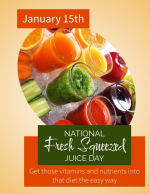
National Fresh Squeezed Juice Day pours out each 15 January.
Packed with vitamins and bursting with flavour, there's nothing quite like a tall glass of fresh squeezed juice!
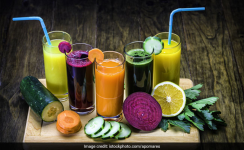
Get those vitamins and other nutrients into that diet the easy way, with fresh squeezed juice! Enjoy a simple and basic glass of fresh squeezed orange juice or go for a blend that is a bit more unique and exotic, such as passion fruit with avocado or pineapple with ginger.
No matter which type is the favourite, National Fresh Squeezed Juice Day is the time to enjoy and appreciate all the vegetable and fruit concoctions that can be squeezed into a tall glass!
Squeezed juice in Australia ranges from genuinely fresh, farm-to-bottle options to mass-market products often using reconstituted juice, remembering the importance of checking labels for "no added sugar," "no added water," "no artificial colours/flavours," and "no imported fruit" for truly fresh products to ensure you're getting the real deal. The market also sees a rise in cold-pressed juices for the more health-conscious consumers.
In Australia, the juice sector is hugely important to the overall citrus industry. Accounting for approximately 24% of the citrus industry, juicing oranges - Valencias are grown predominantly for juicing but some are also sold into the fresh market. Whilst some growers focus solely on growing Valencias, the variety is also grown by many citrus growers as a summer ripening crop to complement their seasonal output throughout the year.
The juicing industry also takes in a percentage of navel oranges and mandarins that don’t meet specifications or grade requirements to be sold on the fresh market, thereby providing an outlet for fruit that still tastes great and can be included into the final juice mix.
A serving of juice with no added sugar, according to the Australian Dietary Guidelines, is 125mL.
The Australian Dietary Guidelines state that an occasional 125ml glass of fruit juice with no added sugar is equivalent to one serve of fruit. Without juice, many Australians would not consume their recommended daily intake of fruit.
100% orange juice is a natural product; it is just fruit that has been juiced, with nothing added or taken away. Water makes up about 90% of 100% orange juice with the remainder consisting of natural sugars from the fruit, vitamin C, folate, potassium and other vitamins, minerals and phytonutrients such as hesperidin.
Aside from the fruit juice popularity, squeezed vegetable juice in Australia is a small but established niche, with carrots, beetroot, and celery being popular bases, consumed as commercial, fresh-made, or homemade options, though taste and cost are barriers for many; it offers nutrients but lacks fibre of whole veg, with 'cold press' methods popular for maximizing nutrients, while guidelines suggest limiting intake but acknowledge its role in meeting daily fruit/veg serves, especially for those who don't eat enough whole produce.
Retailers for squeezed fruit and vegetable juices in Australia range from major supermarkets (Coles, Woolworths) for packaged options to specialized juice bars (Top Juice, Nudie, Boost Juice etc) and health food stores for fresh, cold-pressed juices, with a growing market for premium, preservative-free. The market includes both large-scale manufacturers using concentrates and smaller producers focusing on pure, cold-pressed, and organic options, catering to health-conscious consumers seeking convenience and quality.
It’s all about choice and personal preference. And the good news: we’re pretty lucky with Aussie juice – fruit or vegetable, we’re on the money to get yummy, nutritious and flavour-filled goodness, from the basics to the exotics.
Fun Facts about Squeezed Juices in Australia:
“Liquid sunshine in a glass”
#JuiceLife #SqueezeTheDay
“Veggie juice: more stalk, less talk”
“Vitamin C loading…………..”


National Fresh Squeezed Juice Day pours out each 15 January.
Packed with vitamins and bursting with flavour, there's nothing quite like a tall glass of fresh squeezed juice!
Get those vitamins and other nutrients into that diet the easy way, with fresh squeezed juice! Enjoy a simple and basic glass of fresh squeezed orange juice or go for a blend that is a bit more unique and exotic, such as passion fruit with avocado or pineapple with ginger.
No matter which type is the favourite, National Fresh Squeezed Juice Day is the time to enjoy and appreciate all the vegetable and fruit concoctions that can be squeezed into a tall glass!
Squeezed juice in Australia ranges from genuinely fresh, farm-to-bottle options to mass-market products often using reconstituted juice, remembering the importance of checking labels for "no added sugar," "no added water," "no artificial colours/flavours," and "no imported fruit" for truly fresh products to ensure you're getting the real deal. The market also sees a rise in cold-pressed juices for the more health-conscious consumers.
In Australia, the juice sector is hugely important to the overall citrus industry. Accounting for approximately 24% of the citrus industry, juicing oranges - Valencias are grown predominantly for juicing but some are also sold into the fresh market. Whilst some growers focus solely on growing Valencias, the variety is also grown by many citrus growers as a summer ripening crop to complement their seasonal output throughout the year.
The juicing industry also takes in a percentage of navel oranges and mandarins that don’t meet specifications or grade requirements to be sold on the fresh market, thereby providing an outlet for fruit that still tastes great and can be included into the final juice mix.
A serving of juice with no added sugar, according to the Australian Dietary Guidelines, is 125mL.
The Australian Dietary Guidelines state that an occasional 125ml glass of fruit juice with no added sugar is equivalent to one serve of fruit. Without juice, many Australians would not consume their recommended daily intake of fruit.
100% orange juice is a natural product; it is just fruit that has been juiced, with nothing added or taken away. Water makes up about 90% of 100% orange juice with the remainder consisting of natural sugars from the fruit, vitamin C, folate, potassium and other vitamins, minerals and phytonutrients such as hesperidin.
Aside from the fruit juice popularity, squeezed vegetable juice in Australia is a small but established niche, with carrots, beetroot, and celery being popular bases, consumed as commercial, fresh-made, or homemade options, though taste and cost are barriers for many; it offers nutrients but lacks fibre of whole veg, with 'cold press' methods popular for maximizing nutrients, while guidelines suggest limiting intake but acknowledge its role in meeting daily fruit/veg serves, especially for those who don't eat enough whole produce.
Retailers for squeezed fruit and vegetable juices in Australia range from major supermarkets (Coles, Woolworths) for packaged options to specialized juice bars (Top Juice, Nudie, Boost Juice etc) and health food stores for fresh, cold-pressed juices, with a growing market for premium, preservative-free. The market includes both large-scale manufacturers using concentrates and smaller producers focusing on pure, cold-pressed, and organic options, catering to health-conscious consumers seeking convenience and quality.
It’s all about choice and personal preference. And the good news: we’re pretty lucky with Aussie juice – fruit or vegetable, we’re on the money to get yummy, nutritious and flavour-filled goodness, from the basics to the exotics.
Fun Facts about Squeezed Juices in Australia:
- Among children: Fruit juice consumption is associated with significantly higher intakes of four essential, vitamins and minerals: folate, vitamin C, magnesium and potassium; Fruit juice consumption is associated with significantly higher intakes of dietary fibre.
- Among adults: Fruit juice consumption is associated with significantly higher intakes of vitamin C; Fruit juice consumption is associated with .higher intakes of dietary fibre.
- The use of oranges and orange juice in sports has a long history, particularly at half-time in junior sports. While modern professional teams also use specific sports drinks and gels, orange juice remains a practical and natural option that many players use and surely part of the Wests Tigers secret to their fluid intake, being a good source of electrolyte potassium, aiding rehydration and recovery.
“Liquid sunshine in a glass”
#JuiceLife #SqueezeTheDay
“Veggie juice: more stalk, less talk”
“Vitamin C loading…………..”
January 16
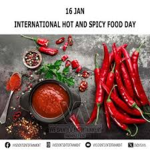
International Hot and Spicy Food Day scorches out each January 16.
Experience a flavour explosion that will make those buds dance with joy! Get ready for a culinary adventure that can spice up anyone's life!
For one red-hot day a year, the world’s chili heads, heat-seekers and extreme eaters can take their passion to extremes.
International Hot and Spicy Foods Day sparks a wildfire of events, from habanero-eating challenges to costume contests and cook-offs of popular recipes. Among serious aficionados, it also re-kindles the great debate: which chili pepper tops the official Scoville heat scale?
There’s no denying the daredevil nature of some of the celebrations for this day. However, people who like a meal to tingle their taste buds, not make their eyes water, shouldn’t feel left out.
Enjoying a touch of culinary heat is a worldwide human trait, so what better day to invite family and friends to discover a different cuisine?
Thai, Indian, Mexican and Caribbean dishes are all famous for their blends of aromatic ingredients, but many cultures boast their own favourites. After all, variety is truly the spice of life….
It isn’t necessary to go all out and become the next Masterchef on International Hot and Spicy Foods Day! There are plenty of different ways to embrace some spice without needing to cook a complex meal. Add a few jalapenos to a burger or fajitas in honour of this day. Pile some hot sauce onto that pizza. Other easy dishes include spicy meatballs and spicy Mexican pasta salad. Anything can be turned into a spicy dish with the right seasoning!
It’s likely that spicy food has been adored for so long not only because it tastes incredible, but also because it offers a number of different health benefits. Check out a few of these facts regarding spicy food:
We Aussies are increasingly embracing heat, with chefs using extracts and more intense chili varieties like the Carolina Reaper and Bhut Jolokia (Ghost Pepper). Pairings like hot honey on chicken or mango-chilli salads are increasingly popular. Indigenous Australian ingredients like Mountain Pepper and Native Ginger provide a distinct, local heat.
This newfound appreciation for spice is reflected in the growing popularity of hot condiments and “swicy” (sweet and spicy) dishes that cater to a range of heat preferences. Australians are not just reaching for the traditional hot sauce; they're exploring a world of spicy mayos, fiery marinades, and robust chili concoctions. We are witnessing an intriguing shift towards hotter, spicier flavours, marking a significant evolution in the Australian palate. No longer just about the barbecues and seafood, Australian cuisine is increasingly finding itself infused with an adventurous spirit, embracing the bold and fiery.
For chefs and restaurateurs, the integration of these spicy products is more than just keeping up with trends. It's about understanding and catering to the evolving tastes of their patrons. Incorporating items like Chipotle Mayonnaise and Batch No.5 Habanero Hot Sauce into menus is a strategic move to offer varied heat levels, satisfying both the novice and the aficionado of spice.
This shift towards spicier foods is not just a phase in Australia's culinary journey; it's a reflection of a broader change in the national palate. With the increasing embrace of spicy condiments, Australia is boldly stepping into a world where the flavours are as hot as the land itself. As the Australian culinary scene continues to heat up, it becomes evident that this love affair with spice is more than just a fleeting passion – it's a fiery, enduring romance.
Pass the (hot) sauce please.
Fun Facts about Hot and Spicy Food:
"Life without spice is like food without flavour."
"If it doesn’t make you sweat, it’s not spicy enough."
"Turn up the heat—both in the kitchen and in life."
"Spicy food is more than a taste, it’s a journey."


International Hot and Spicy Food Day scorches out each January 16.
Experience a flavour explosion that will make those buds dance with joy! Get ready for a culinary adventure that can spice up anyone's life!
For one red-hot day a year, the world’s chili heads, heat-seekers and extreme eaters can take their passion to extremes.
International Hot and Spicy Foods Day sparks a wildfire of events, from habanero-eating challenges to costume contests and cook-offs of popular recipes. Among serious aficionados, it also re-kindles the great debate: which chili pepper tops the official Scoville heat scale?
There’s no denying the daredevil nature of some of the celebrations for this day. However, people who like a meal to tingle their taste buds, not make their eyes water, shouldn’t feel left out.
Enjoying a touch of culinary heat is a worldwide human trait, so what better day to invite family and friends to discover a different cuisine?
Thai, Indian, Mexican and Caribbean dishes are all famous for their blends of aromatic ingredients, but many cultures boast their own favourites. After all, variety is truly the spice of life….
It isn’t necessary to go all out and become the next Masterchef on International Hot and Spicy Foods Day! There are plenty of different ways to embrace some spice without needing to cook a complex meal. Add a few jalapenos to a burger or fajitas in honour of this day. Pile some hot sauce onto that pizza. Other easy dishes include spicy meatballs and spicy Mexican pasta salad. Anything can be turned into a spicy dish with the right seasoning!
It’s likely that spicy food has been adored for so long not only because it tastes incredible, but also because it offers a number of different health benefits. Check out a few of these facts regarding spicy food:
- Spices can help to kill bacteria. The likes of turmeric and cumin have been shown to have powerful antimicrobial and antioxidant properties. This means that they can be effective in terms of fighting any of the harmful bacteria in the body.
- Spices can help fight inflammation. In Ayurvedic medicine, the anti-inflammatory properties of garlic and ginger have been utilized for many centuries as a treatment for a number of different conditions, such as headaches, autoimmune disorders, and arthritis.
- Spicy foods can help speed up metabolism. There has been data drawn from a number of different studies that show that certain species, like pepper chilies, turmeric, cinnamon, and cumin are able to slow down the appetite and increase the metabolic resting rate. Who knew that spices were so powerful?
We Aussies are increasingly embracing heat, with chefs using extracts and more intense chili varieties like the Carolina Reaper and Bhut Jolokia (Ghost Pepper). Pairings like hot honey on chicken or mango-chilli salads are increasingly popular. Indigenous Australian ingredients like Mountain Pepper and Native Ginger provide a distinct, local heat.
This newfound appreciation for spice is reflected in the growing popularity of hot condiments and “swicy” (sweet and spicy) dishes that cater to a range of heat preferences. Australians are not just reaching for the traditional hot sauce; they're exploring a world of spicy mayos, fiery marinades, and robust chili concoctions. We are witnessing an intriguing shift towards hotter, spicier flavours, marking a significant evolution in the Australian palate. No longer just about the barbecues and seafood, Australian cuisine is increasingly finding itself infused with an adventurous spirit, embracing the bold and fiery.
For chefs and restaurateurs, the integration of these spicy products is more than just keeping up with trends. It's about understanding and catering to the evolving tastes of their patrons. Incorporating items like Chipotle Mayonnaise and Batch No.5 Habanero Hot Sauce into menus is a strategic move to offer varied heat levels, satisfying both the novice and the aficionado of spice.
This shift towards spicier foods is not just a phase in Australia's culinary journey; it's a reflection of a broader change in the national palate. With the increasing embrace of spicy condiments, Australia is boldly stepping into a world where the flavours are as hot as the land itself. As the Australian culinary scene continues to heat up, it becomes evident that this love affair with spice is more than just a fleeting passion – it's a fiery, enduring romance.
Pass the (hot) sauce please.
Fun Facts about Hot and Spicy Food:
- It’s pain, not flavour: The burning sensation from chilies comes from capsaicin which tricks your nerves into feeling heat and pain, activating endorphin release.
- Water makes it worse - it just spreads the heat.
- Dairy is your friend: The fats in milk, yogurt, and cheese break down capsaicin, offering relief.
- Birds are immune to the heat of chili because capsicum – the thing that makes chilis hot – only affects mammals.
"Life without spice is like food without flavour."
"If it doesn’t make you sweat, it’s not spicy enough."
"Turn up the heat—both in the kitchen and in life."
"Spicy food is more than a taste, it’s a journey."
Halbrowne61
Well-known member
I went out for a hot and spicy Malaysian lunch, inc Beef Redang and Malay Curried Chicken, two of my faves. I finally got a day corrrect !January 16
International Hot and Spicy Food Day scorches out each January 16.
Experience a flavour explosion that will make those buds dance with joy! Get ready for a culinary adventure that can spice up anyone's life!
For one red-hot day a year, the world’s chili heads, heat-seekers and extreme eaters can take their passion to extremes.
International Hot and Spicy Foods Day sparks a wildfire of events, from habanero-eating challenges to costume contests and cook-offs of popular recipes. Among serious aficionados, it also re-kindles the great debate: which chili pepper tops the official Scoville heat scale?
There’s no denying the daredevil nature of some of the celebrations for this day. However, people who like a meal to tingle their taste buds, not make their eyes water, shouldn’t feel left out.
Enjoying a touch of culinary heat is a worldwide human trait, so what better day to invite family and friends to discover a different cuisine?
Thai, Indian, Mexican and Caribbean dishes are all famous for their blends of aromatic ingredients, but many cultures boast their own favourites. After all, variety is truly the spice of life….
It isn’t necessary to go all out and become the next Masterchef on International Hot and Spicy Foods Day! There are plenty of different ways to embrace some spice without needing to cook a complex meal. Add a few jalapenos to a burger or fajitas in honour of this day. Pile some hot sauce onto that pizza. Other easy dishes include spicy meatballs and spicy Mexican pasta salad. Anything can be turned into a spicy dish with the right seasoning!
It’s likely that spicy food has been adored for so long not only because it tastes incredible, but also because it offers a number of different health benefits. Check out a few of these facts regarding spicy food:
Australia offers its own spin on this popular cuisine in a widely available vibrant spicy food scene, with hot and flavourful dishes found in Thai, Indian, Korean, and Southern US cuisines, featuring intense curries, fiery noodle dishes, Nashville hot chicken, and even extreme options like scorpion burgers for the truly adventurous, driven by growing global food trends and culinary bravery in restaurants. Look for dishes like Tom Yum, Korean buldak, Indian Vindaloo, and regional specialties just about everywhere.
- Spices can help to kill bacteria. The likes of turmeric and cumin have been shown to have powerful antimicrobial and antioxidant properties. This means that they can be effective in terms of fighting any of the harmful bacteria in the body.
- Spices can help fight inflammation. In Ayurvedic medicine, the anti-inflammatory properties of garlic and ginger have been utilized for many centuries as a treatment for a number of different conditions, such as headaches, autoimmune disorders, and arthritis.
- Spicy foods can help speed up metabolism. There has been data drawn from a number of different studies that show that certain species, like pepper chilies, turmeric, cinnamon, and cumin are able to slow down the appetite and increase the metabolic resting rate. Who knew that spices were so powerful?
We Aussies are increasingly embracing heat, with chefs using extracts and more intense chili varieties like the Carolina Reaper and Bhut Jolokia (Ghost Pepper). Pairings like hot honey on chicken or mango-chilli salads are increasingly popular. Indigenous Australian ingredients like Mountain Pepper and Native Ginger provide a distinct, local heat.
This newfound appreciation for spice is reflected in the growing popularity of hot condiments and “swicy” (sweet and spicy) dishes that cater to a range of heat preferences. Australians are not just reaching for the traditional hot sauce; they're exploring a world of spicy mayos, fiery marinades, and robust chili concoctions. We are witnessing an intriguing shift towards hotter, spicier flavours, marking a significant evolution in the Australian palate. No longer just about the barbecues and seafood, Australian cuisine is increasingly finding itself infused with an adventurous spirit, embracing the bold and fiery.
For chefs and restaurateurs, the integration of these spicy products is more than just keeping up with trends. It's about understanding and catering to the evolving tastes of their patrons. Incorporating items like Chipotle Mayonnaise and Batch No.5 Habanero Hot Sauce into menus is a strategic move to offer varied heat levels, satisfying both the novice and the aficionado of spice.
This shift towards spicier foods is not just a phase in Australia's culinary journey; it's a reflection of a broader change in the national palate. With the increasing embrace of spicy condiments, Australia is boldly stepping into a world where the flavours are as hot as the land itself. As the Australian culinary scene continues to heat up, it becomes evident that this love affair with spice is more than just a fleeting passion – it's a fiery, enduring romance.
Pass the (hot) sauce please.
Fun Facts about Hot and Spicy Food:
- It’s pain, not flavour: The burning sensation from chilies comes from capsaicin which tricks your nerves into feeling heat and pain, activating endorphin release.
- Water makes it worse - it just spreads the heat.
- Dairy is your friend: The fats in milk, yogurt, and cheese break down capsaicin, offering relief.
- Birds are immune to the heat of chili because capsicum – the thing that makes chilis hot – only affects mammals.
"Life without spice is like food without flavour."
"If it doesn’t make you sweat, it’s not spicy enough."
"Turn up the heat—both in the kitchen and in life."
"Spicy food is more than a taste, it’s a journey."
View attachment 32540
View attachment 32541
View attachment 32542
17 January
International Mentoring Day advisedly happens each 17 January.
The 17th of January marks International Mentoring Day, an annual global event that provides a valuable opportunity to reflect on the transformative power of mentoring, serving as a reminder of the positive impact mentors can have on both individuals and communities.
Mentoring is any form of social learning where someone with more experience (a mentor) helps guide the learning and growth of someone with less experience (a mentee). The five pillars of Mentorship are providing guidance, support, encouraging empowerment, networking, and honest feedback.
Today is a far-reaching global celebration of mentorship and its power to create connection, opportunity, and positive change across communities and cultures.
This year’s theme, Mentoring for Tomorrow, shines a spotlight on how mentorship helps prepare people - especially young people – as part of an evolving workforce, to create stronger communities, and brighter futures.
Mentors across the globe are building mentees’skills, confidence, belonging, and opportunity. Whether you’re an employer, employee, mentor, or supporter, today is your invitation to be part of something that creates lasting impact today, and tomorrow.
The world is changing rapidly, and it can be hard to keep your head above water in every aspect of life. Mentorship plays a critical role in helping people adapt, grow, and thrive.
Mentoring has been proven to:
Mentorship provides emotional support, especially during times of uncertainty. Whether it’s dealing with a career dilemma or navigating personal growth, a mentor offers the reassurance and guidance needed to make tough decisions and emerge stronger on the other side.
Mentorship offers numerous benefits that extend beyond career development. For those just starting their careers or considering a shift, it provides guidance in areas that may feel uncertain, helping mentees build confidence and gain clarity on their goals. Confidence can grow exponentially when they have someone to help navigate the complexities of their professional journey. Additionally, a good mentor opens doors, whether through career advice or connecting mentees with key networks. Through trusted mentors comes understanding the importance of networking and positioning for leadership opportunities.
Mentorship also fosters personal growth and resilience, teaching mentees how to overcome setbacks and remain grounded in their values.
The world today seems to be more isolated than ever before and in many cases generations are deeply separated from one another. But there’s so much to learn from someone who is just slightly ahead on the road of life where young people engage in a mentoring relationship with a person who is a bit older and wiser than they are.
Today shines a spotlight on the relationships that drive growth, build confidence, and create lasting impact. The power of mentorship to inspire change and foster progress, be that career progression or personal growth is boundless.
Corporations worldwide, large and small, are providing mentoring platforms to advance careers, drive industry change, and mentor the next generation. Staff, both mentors and mentees, engage in events, panels, and workshops that address industry challenges and opportunities, fostering collaboration and inclusivity. Everyone commits time to mentor emerging professionals by providing skills, knowledge, and work experience placements.
Today is the day to recognize the impact of mentoring, celebrate mentors and mentoring relationships, share stories of mentorship in your life or workplace, and further explore how you can become a mentor or support mentoring programs. Together, everyone can help more young people benefit from mentoring and ensure our next generation is skilled, confident, and supported.
So today, let’s take a moment to celebrate the impact of mentorship—both the mentors who share their wisdom and the mentees who step forward to grow. Whether you’re a mentor, a mentee, or both, mentorship is an essential component of personal and professional growth that creates lasting positive change.
And today might even be the best day to reach out to the people you consider your mentors and thank them for everything they’ve done for you.
In our modern age, the formality of a mentor might also be known as adviser, a personal coach, a guide, an instructor, a teacher, a tutor or maybe a counsellor. They’re all for the one purpose – to shine a light where we might see our dreams better.
Oh, did I mention that the best mentors might include our parents, siblings, teachers and significant others? All the Mums and Dads, the teachers - take a bow. And what about the Benji Marshalls of the world and all the players who reach out to upcoming youth; just amazing to see the relationships that become life-long. Whoever has influenced our best is indeed a mentor. This is the foundation of both learning and purpose. It’s the giving and the receiving. It’s just the circle; the circle of confidence, purpose and evolution.
Fun Fact about Mentoring:
“You lift me up”
"Mentoring is a brain to pick, an ear to listen, and a push in the right direction".
"We make a living by what we get, but we make a life by what we give."
“If I have seen further, it is by standing on the shoulders of giants.”


International Mentoring Day advisedly happens each 17 January.
The 17th of January marks International Mentoring Day, an annual global event that provides a valuable opportunity to reflect on the transformative power of mentoring, serving as a reminder of the positive impact mentors can have on both individuals and communities.
Mentoring is any form of social learning where someone with more experience (a mentor) helps guide the learning and growth of someone with less experience (a mentee). The five pillars of Mentorship are providing guidance, support, encouraging empowerment, networking, and honest feedback.
Today is a far-reaching global celebration of mentorship and its power to create connection, opportunity, and positive change across communities and cultures.
This year’s theme, Mentoring for Tomorrow, shines a spotlight on how mentorship helps prepare people - especially young people – as part of an evolving workforce, to create stronger communities, and brighter futures.
Mentors across the globe are building mentees’skills, confidence, belonging, and opportunity. Whether you’re an employer, employee, mentor, or supporter, today is your invitation to be part of something that creates lasting impact today, and tomorrow.
The world is changing rapidly, and it can be hard to keep your head above water in every aspect of life. Mentorship plays a critical role in helping people adapt, grow, and thrive.
Mentoring has been proven to:
- Strengthen essential workplace and life skills
- Foster inclusion, belonging, and connection
- Support mental well-being and confidence
- Create pathways to meaningful education and employment
- Build resilient, future-ready communities
Mentorship provides emotional support, especially during times of uncertainty. Whether it’s dealing with a career dilemma or navigating personal growth, a mentor offers the reassurance and guidance needed to make tough decisions and emerge stronger on the other side.
Mentorship offers numerous benefits that extend beyond career development. For those just starting their careers or considering a shift, it provides guidance in areas that may feel uncertain, helping mentees build confidence and gain clarity on their goals. Confidence can grow exponentially when they have someone to help navigate the complexities of their professional journey. Additionally, a good mentor opens doors, whether through career advice or connecting mentees with key networks. Through trusted mentors comes understanding the importance of networking and positioning for leadership opportunities.
Mentorship also fosters personal growth and resilience, teaching mentees how to overcome setbacks and remain grounded in their values.
The world today seems to be more isolated than ever before and in many cases generations are deeply separated from one another. But there’s so much to learn from someone who is just slightly ahead on the road of life where young people engage in a mentoring relationship with a person who is a bit older and wiser than they are.
Today shines a spotlight on the relationships that drive growth, build confidence, and create lasting impact. The power of mentorship to inspire change and foster progress, be that career progression or personal growth is boundless.
Corporations worldwide, large and small, are providing mentoring platforms to advance careers, drive industry change, and mentor the next generation. Staff, both mentors and mentees, engage in events, panels, and workshops that address industry challenges and opportunities, fostering collaboration and inclusivity. Everyone commits time to mentor emerging professionals by providing skills, knowledge, and work experience placements.
Today is the day to recognize the impact of mentoring, celebrate mentors and mentoring relationships, share stories of mentorship in your life or workplace, and further explore how you can become a mentor or support mentoring programs. Together, everyone can help more young people benefit from mentoring and ensure our next generation is skilled, confident, and supported.
So today, let’s take a moment to celebrate the impact of mentorship—both the mentors who share their wisdom and the mentees who step forward to grow. Whether you’re a mentor, a mentee, or both, mentorship is an essential component of personal and professional growth that creates lasting positive change.
And today might even be the best day to reach out to the people you consider your mentors and thank them for everything they’ve done for you.
In our modern age, the formality of a mentor might also be known as adviser, a personal coach, a guide, an instructor, a teacher, a tutor or maybe a counsellor. They’re all for the one purpose – to shine a light where we might see our dreams better.
Oh, did I mention that the best mentors might include our parents, siblings, teachers and significant others? All the Mums and Dads, the teachers - take a bow. And what about the Benji Marshalls of the world and all the players who reach out to upcoming youth; just amazing to see the relationships that become life-long. Whoever has influenced our best is indeed a mentor. This is the foundation of both learning and purpose. It’s the giving and the receiving. It’s just the circle; the circle of confidence, purpose and evolution.
Fun Fact about Mentoring:
- It's Common (and Uncommon): While 76% of people think mentors are important, only 37% have one.
- It's Happier: People with mentors are significantly happier and more satisfied at work, according to research studies.
- It's Empowering: Both mentors and mentees often report increased confidence and a stronger sense of purpose,
“You lift me up”
"Mentoring is a brain to pick, an ear to listen, and a push in the right direction".
"We make a living by what we get, but we make a life by what we give."
“If I have seen further, it is by standing on the shoulders of giants.”

Fainu Brothers
Well-known member
Magic Millions?
Magic Millions?
Champion @Fainu Brothers, that's a biggie on the racing calendar.
And it is on today.
Hit this link:

Latest posts
-

-
-
-
-
-
-
 OFFICIAL Q&A Club discussion with Shaun Mielekamp
- Latest: Rock Hopper Steve
-

Members online
Total: 7,109 (members: 12, guests: 7,097)