And today is .......

World Franchise Day branches onto our calendars each June 10.

Today is when we celebrate the entrepreneurs, local business owners, and systems that drive the franchising industry, highlighting how independent franchisees live, work, and contribute to their local communities.

A franchise is a business model where an established company (the franchisor) licenses its brand name, products, and operating systems to an independent business owner (the franchisee) in exchange for upfront fees and ongoing royalties.

The franchise system connects two main roles:
  • The Franchisor (The Parent Company): They create the brand, the product, and the "how-to" manual. They do the heavy lifting of national marketing and product development, while granting the franchisee the legal right to use their trademark.
  • The Franchisee (The Local Owner): They invest their own money to open and run a specific location. In return for following the franchisor's exact rules, they get a proven business model and built-in customer recognition
When you run a franchise location, you are legally bound to operate exactly as the parent company dictates. This standardizes the brand. You have to use the exact same recipes, store layouts, and employee uniforms. The parent company handles major advertising campaigns, but you pay a percentage of your local sales (royalties) to help fund this. And you usually have to buy your inventory or equipment from vendors approved by the parent company.

The "best" franchise depends entirely on your budget, lifestyle goals, and skills.

There is no single "most profitable" franchise, as actual earnings depend on your capital and operating model. High-revenue retail brands post the largest top-line numbers, while low-cost, service-based mobile models often yield higher net-profit margins because they avoid overhead like rent and inventory.

McDonald's is frequently cited as one of the most successful franchises globally. It requires a significant upfront investment (often > $1–2 million) but is backed by highly optimized supply chains and app-based loyalty programs.

7-Eleven is one of the most prominent convenience retail brands in the country. The franchisor covers land and building costs, and the company’s agreement guarantees specific yearly gross incomes, providing security against retail volatility. A 7-Eleven franchise owner in Australia typically makes between $65,000 and $160,000 per year. Actual earnings vary significantly based on store location, whether it sells fuel, and how many hours the owner works.

Australia has over 1,200 unique franchise systems (brands) that operate more than 94,000 individual outlets across the country. On average, these franchise locations each generate a turnover of roughly $100,000 to $180,000 per month, though actual take-home franchisee profits typically range between $4,500 and $8,500 per month after paying operating costs.

The Australian franchising sector employs between 548,000 and 600,000 Australians. The industry includes over 1,200 networks and more than 94,000 individual outlets. This massive business sector generates roughly $174 billion in revenue.

Buying a franchise in Australia offers a shortcut to business success. You trade the high risk of a new startup for a proven business model, an established brand name, and built-in training and support.

Customers already know and trust the brand. You receive a step-by-step roadmap for how to run the business. This includes proven daily routines, software, and sales strategies. Franchises pool money from all locations to pay for large, professional advertising campaigns. You also get cheaper prices on supplies because you are buying in bulk with the whole group. You are in business for yourself, but not by yourself. Banks are more likely to lend money to proven franchise systems than to brand-new, independent businesses; and Australia has strict rules to protect franchise owners.


What’s not to love?
Support your local franchise.

Keep up your gym memberships, eat lots of Maccas, drop into Seven 11 for your donuts, let Jim look after your antennas, Boost your juice, have a Dominos pizza tonight, get that foot-long from Subway, have a key cut at Mister Minit, and all the rest - yes, our franchises keep us going.
Stay loyal.


Fun Facts about Franchises:
  • Australians operate the second-highest number of franchise outlets per person in the entire world, right behind New Zealand
  • Burger King wanted to open in Australia, but the name was already taken by a local food shop. So, they created a brand-new name just for the country: Hungry Jack's
  • Even though famous U.S. brands dominate the street corners, about 90% of all franchise brands in Australia actually started right here at home


"Franchising is simply following a proven recipe for success"

“You can't paint the golden arches green"

"None of us is as good as all of us"

"Uniformity is the secret ingredient of the franchise”



1781013967191.png


1781013986782.png


1781014000161.png


1781014015021.png
 
Say Hi Day speaks to our calendars each June 11. This day is a celebration of a simple word that can spark joy and connection and encourages people to reach out to others with this simple and friendly greeting. A small word can brighten someone’s mood and create a sense of belonging.

Greetings are special ways people say “Hi, or Hello” when they meet. They can be words, actions, or even a mix of both. Greetings help us show politeness and respect. They also let others know we are friendly while showing that you acknowledge someone's presence and respect them.

Today is a special time meant to also remind people that a simple greeting can make a huge difference. It’s about spreading kindness, bringing a smile to someone's face, and connecting with the people around you, one to one, face to face, looking right in the eye of the other. A warm smile and eye contact can signal friendliness and openness, making it easier to start a conversation. This simple gesture can create a positive first impression and make the other person feel comfortable.

These personal transfers of good vibes and feeling the feelings – grinners are winners!

In today’s fast-paced world, it’s easy to overlook the power of a simple hello. Say Hi Day reminds us to slow down and acknowledge those around us. Whether it’s a neighbour, a colleague, or a stranger, a friendly greeting can make a difference. Connecting in this simple way can reduce feelings of isolation and research shows this tinsy interaction can also enhance cognitive function. So maybe we should all slow down and acknowledge the people we pass.

This day promotes kindness and inclusivity, showing that everyone matters. A friendly greeting can brighten someone’s day and foster a sense of community. By saying "hi," you help others feel seen and valued. This small act of kindness creates a ripple effect of positivity in your community.

Maybe even reach out to someone you haven’t spoken to in a while. A simple message or call can rekindle relationships and remind them they are valued.

The simple act of greeting another offers great benefits for everyone:
  • Boosts Your Mood: Greeting others releases feel-good chemicals in your brain. It makes you feel lighter and happier.
  • Fights Loneliness: A simple "hi" helps people feel connected. It breaks down the walls of isolation.
  • Builds Stronger Communities: Friendly neighbourhoods are safer and closer. Saying hello turns strangers into neighbours.
  • Creates a Positive Ripple: Kindness is contagious. When you smile and say “hi”, others are likely to pass that kindness along.
In today’s digital world, the simple act of greeting a stranger in person often goes overlooked. Yet, this small gesture can have profound impacts on our mental and physical well-being. From enhancing social connections to improving mood and reducing anxiety, saying “hi/hello” can be a powerful tool for better mental health.

In-person social interactions are fundamental to human health and well-being. Research indicates that engaging in brief conversations with strangers can boost mood and decrease feelings of loneliness. These interactions stimulate the release of oxytocin, often referred to as the “love hormone,” which plays a crucial role in social bonding and reducing stress.

Moreover, studies have shown that social interactions can activate the brain’s reward system, leading to increased feelings of happiness and satisfaction. This is particularly beneficial for individuals struggling with mental health conditions like depression and anxiety, where social withdrawal is a common symptom. By understanding the science behind these interactions, we can better appreciate the health benefits of saying “hello” to a stranger.

Connecting with others, even on a superficial level, can have significant psychological benefits. Additionally, these interactions can provide a sense of belonging and acceptance, which is crucial for mental health.

Social connections also promote the development of empathy and understanding, which can reduce feelings of isolation. Engaging in conversations with strangers allows individuals to step outside their comfort zones, fostering personal growth and resilience.

A simple “hi/hello” can have a ripple effect, spreading positivity beyond the initial interaction. When we greet someone, we not only make them feel acknowledged and valued but also boost our own mood. This positive exchange can lead to a more optimistic outlook on life and increase overall happiness.

Furthermore, spreading positivity can create a supportive community atmosphere. This is particularly important for individuals dealing with mental health issues, as a supportive environment can significantly enhance recovery and well-being.

These social interactions can enhance cognitive function and memory, as engaging in conversations requires active listening and information processing. The cognitive stimulation can be particularly beneficial for older adults, helping to maintain mental sharpness and reduce the risk of cognitive decline.

The act of greeting strangers can have broader social implications, promoting a culture of friendliness and inclusivity. When people feel more connected to their community, they are more likely to engage in prosocial behaviours, such as volunteering and supporting local initiatives. This can lead to a stronger, more cohesive community where individuals feel safe and supported.

Furthermore, promoting social interactions can help break down social barriers and reduce prejudice. When individuals from different backgrounds engage in positive interactions, it fosters mutual understanding and respect, contributing to a more harmonious society.

Patience and understanding are sometimes needed. Some “Gen Z” usually skip formal "hi/hellos" in favour of casual slang like "Hey," or "Sup". When texting, they prefer all-lowercase letters (e.g., "hey how are u"). In person, physical contact like handshakes or hugs is often bypassed; a silent "nod down" is preferred for strangers or acquaintances, and a "nod up" is for friends. So keep in the moment and tread gently – but sincerity in connection always prevails.

Our “Hi” is never lost in translation.
Spread the word. No worries.


Fun Fact about Hi/Hello:
  • “Hello” didn't become "hi" until the telephone arrived.
  • The universal “Hi” has become the “G’day” in the vernacular of everyday Aussies; and we Aussies also love to add "mate" to our greetings. This does not just mean friend; it is used as a sign of respect and friendliness even for complete strangers.


"Hello, sunshine!"

“Ello. Ello. Ello”

"Well, look what the cat dragged in"

“I came, I saw, I said “Hi”


1781100163676.png


1781100181118.png


1781100200729.png


1781100220985.png
 
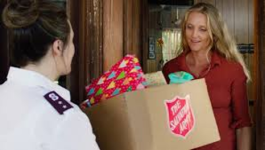
June 12 commemorates the day in 1883 when the first Australasian headquarters of the Salvation Army opened in Melbourne, Victoria.

Their beginnings go way beyond the “church” aspects of their being – they are proven to be “first responders’ to all tragedies that have happened on our shores, rendering assistance and support to the needy.

The Salvation Army Australia is an international Christian movement, united by faith and giving hope where it’s needed most. Across Australia - in cities, country towns and rural communities - their work touches every demographic and age group. They’re involved in national issues while also bringing hope to people who may be experiencing hardship or injustice.

The Salvation Army in Australia includes roughly 8,100 soldiers (members), 2,800 adherents (attenders), and over 900 active and retired officers. In addition to their faith community, they employ more than 4,700 staff and rely on over 20,000 volunteers to run hundreds of social welfare centres nationwide

The Salvation Army (aka The Salvos) is one of Australia’s largest charities, offering holistic social, emergency, and spiritual support to communities. Driven by their Christian faith, they assist over a million Australians every year through various targeted programs.

Their core services & programs include:
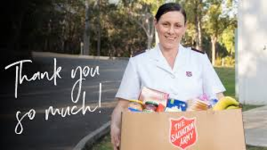
  • Emergency Relief: Through their 'Doorways' program, they provide food vouchers, meals, and immediate financial assistance to individuals facing sudden hardship.
  • Homelessness & Housing: The Salvos operate crisis centres, transitional housing, and long-term accommodation for those sleeping rough or fleeing danger.
  • Domestic & Family Violence: They provide safe refuges, transitional housing, legal advice, and ongoing support for women and children escaping abusive homes
  • Addiction & Recovery: The organization runs rehabilitation centres, addiction counselling, and outreach programs for alcohol, drug, and gambling dependencies.
  • Financial Counselling: 'Moneycare' offers free, confidential financial counselling to help Australians manage debt, halt poverty spirals, and navigate scams.
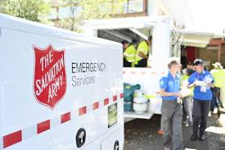
  • Disaster Response: They act as a major first responder during natural disasters (like bushfires and floods), providing food, water, and emotional support to evacuees and emergency workers.
  • Employment & Training: Programs like 'Employment Plus' assist long-term unemployed individuals in finding and maintaining work.
  • Aboriginal & Torres Strait Islander Programs: They run culturally sensitive initiatives focused on health, housing, education, and closing the equality gap.
  • Chaplaincy & Aged Care: Offering spiritual and practical care to older Australians, as well as pastoral support within courts, emergency services, and the Australian Defence Force.
The Salvation Army Australia operates as a registered not-for-profit with an annual revenue exceeding $1.15 billion. While the organization does not calculate a personal "net worth," its aggregated financial filings with the Australian Charities and Not-for-profits Commission (ACNC) show net assets (total assets minus liabilities) of roughly $1.08 billion.

The popular Salvos Op-Shop Stores has been Australia's most loved op shop for over 130 years. With more than 400 stores across the country, finding quality second-hand goods close to home has never been easier - and now you can shop our full range online too. Whether you're hunting for vintage clothes, designer labels at a fraction of the price, or everyday essentials, Salvos Stores offers something for everyone. Their online store lists new items daily, meaning fresh finds are always just a click away - no matter where you are in Australia.

These stores are more than a thrift store. Every purchase directly funds The Salvation Army's life-changing community programs, including emergency housing, meal services, and family support. In 2025 alone, your shopping helped provide millions of meals and nights of accommodation to Australians doing it tough. Shopping second-hand here means your dollar does double duty - for your wallet and for the community.

Fun Facts about the Salvos:
  • Founded in 1865 by a former Methodist preacher, The Salvation Army is a massive global church and charity. It operates in over 130 countries. It is famous for its military-style ranks, charity stores, and emergency disaster relief.
  • The hit song "Strawberry Fields Forever" is named after a Salvation Army children's home in England. John Lennon grew up playing in the trees around that home.
  • The classic Christmas song "Silver Bells" was originally written about Salvation Army bell ringers. It was first called "Tinkle Bells" until the songwriters learned of a different meaning for the word.
  • The army troops coined the affectionate nickname 'Sally Ann' to describe the Salvation Army while the familiar Red Shield logo - the emblem of its war efforts - also dates from this period.
  • The official historical motto of The Salvation Army is "Blood and Fire"


"Thank God for the Salvos"

"Rolling up sleeves to lift others up"

"Wherever you are, the Salvos are"

"When you have nothing left, the Salvos give you everything you need"


1781187980599.png


1781187994280.png


1781188006681.png


1781188024309.png
 

Latest posts

Members online

Back
Top