International Dance Day sways onto our calendars each 29 April, a date chosen to honour the birthday of Jean-Georges Noverre (1727-1810), a French ballet master considered the reformer and founder of modern ballet.
Today marks a global celebration of movement, culture, and community. International Dance Day 2026 is an opportunity for Australians to step onto the dance floor, connect with others, and experience the joy of physical expression.
International Dance Day 2026 in Australia focuses on themes of community, healing, and the transformative power of movement, all as a "Purpose of Dance". The 2026 message highlights dance as a vital, "wordless language" for personal and collective expression during times of global upheaval, framing it as a necessary form of hope.
Dancing transcends language barriers and brings people from diverse backgrounds together. It offers a wonderful way to improve your health while participating in a supportive local community. You do not need professional training to enjoy the benefits of this global event.
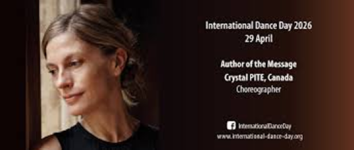
Humans move – our arms reach out, our knees collapse, our heads nod, our chests cave in, our backs arch, we jump, we shrug, we clench our fists, we pick each other up and push each other away. This is language as much as it is action.
This is what the body has to say about need, defeat, courage, despair, desire, joy, ambivalence, frustration, love. These images flash with meaning in the mind because we have felt these things so purely in the body – we have been moved.
We are dancers, all of us. Life moves us; life dances us. Ephemeral as breath, concrete as bone, a dance is made of us. We sculpt space. We write with our bodies in a wordless language that is deeply understood. We grace the space within and around us when we dance.
Like life, a dance creates and destroys itself in every moment. Like love, it is beyond reason. I like to think of the body as a location; a place where being is held and shaped. When we dance, we are profoundly engaged in being there.
Australia boasts a vibrant and diverse dance community. When International Dance Day arrives, the country comes alive with events that cater to all ages and skill levels.
A vital part of the Australian dance landscape is the rich tradition of Aboriginal and Torres Strait Islander dance. These performances are deeply rooted in storytelling, spirituality, and connection to the land. Many events on April 29 highlight First Nations dancers, offering audiences a chance to learn about the world’s oldest continuous living cultures. Participating in or watching these performances builds respect and understanding.
Urban and Regional Events:
There are many styles of dance to choose from, each with its own attractions. Popular styles of dancing include:
Movement triggers the release of endorphins, the body’s natural mood elevators. Dancing can quickly reduce stress, anxiety, and feelings of depression. Learning new routines also keeps your brain active. It improves memory and cognitive function.
Furthermore, joining a dance class fosters social connections. Meeting new people in a positive, shared environment combats loneliness and builds lasting friendships.
Feel the rhythm.
Move with the beat.
Just boogie.
Fun Facts about International Dance Day:
“Great dancers are not great because of their technique; they are great because of their passion”
“You can dance anywhere; that's the beauty of dance”
“To enter into motion is to enter into meditation”
“Children dance before they learn that there is anything that isn't music”
Today marks a global celebration of movement, culture, and community. International Dance Day 2026 is an opportunity for Australians to step onto the dance floor, connect with others, and experience the joy of physical expression.
International Dance Day 2026 in Australia focuses on themes of community, healing, and the transformative power of movement, all as a "Purpose of Dance". The 2026 message highlights dance as a vital, "wordless language" for personal and collective expression during times of global upheaval, framing it as a necessary form of hope.
Dancing transcends language barriers and brings people from diverse backgrounds together. It offers a wonderful way to improve your health while participating in a supportive local community. You do not need professional training to enjoy the benefits of this global event.
Humans move – our arms reach out, our knees collapse, our heads nod, our chests cave in, our backs arch, we jump, we shrug, we clench our fists, we pick each other up and push each other away. This is language as much as it is action.
This is what the body has to say about need, defeat, courage, despair, desire, joy, ambivalence, frustration, love. These images flash with meaning in the mind because we have felt these things so purely in the body – we have been moved.
We are dancers, all of us. Life moves us; life dances us. Ephemeral as breath, concrete as bone, a dance is made of us. We sculpt space. We write with our bodies in a wordless language that is deeply understood. We grace the space within and around us when we dance.
Like life, a dance creates and destroys itself in every moment. Like love, it is beyond reason. I like to think of the body as a location; a place where being is held and shaped. When we dance, we are profoundly engaged in being there.
Australia boasts a vibrant and diverse dance community. When International Dance Day arrives, the country comes alive with events that cater to all ages and skill levels.
A vital part of the Australian dance landscape is the rich tradition of Aboriginal and Torres Strait Islander dance. These performances are deeply rooted in storytelling, spirituality, and connection to the land. Many events on April 29 highlight First Nations dancers, offering audiences a chance to learn about the world’s oldest continuous living cultures. Participating in or watching these performances builds respect and understanding.
Urban and Regional Events:
- Major cities like Sydney, Melbourne, and Brisbane host large-scale performances in public squares and theatres. Professional dance companies offer free outdoor shows. Dance studios open their doors for complimentary workshops.
- Regional towns also play a huge role in the celebrations. Community halls become hubs for folk dancing, line dancing, and local showcases. These local events are inclusive and welcoming. They ensure that everyone, regardless of where they live, has access to the celebration.
There are many styles of dance to choose from, each with its own attractions. Popular styles of dancing include:
- Ballet – mostly performed to classical music, this dance style focuses on strength, technique and flexibility.
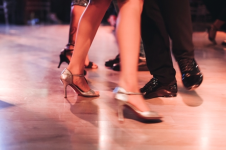
- Ballroom dancing – this involves a number of partner-dancing styles such as the waltz, swing, foxtrot, rumba and tango.
- Belly dancing – originating in the Middle East, this dance style is a fun way to exercise.
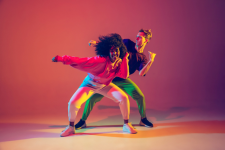
- Hip-hop – performed mostly to hip-hop music, this urban dance style can involve breaking, popping, locking and freestyling.
- Jazz – a high-energy dance style involving kicks, leaps and turns to the beat of the music.
- Pole dancing – has become increasingly popular as a form of exercise. It involves dancing with a vertical pole, and requires muscle endurance, coordination, and upper- and lower-body strength.
- Salsa – involving a mixture of Caribbean, Latin American and African influences, salsa is usually a partner dance and emphasises rhythms and sensuality.
- Square-dancing – a type of folk dancing where 4 couples dance in a square pattern, moving around each other and changing partners.
- Tap dancing – focuses on timing and beats. The name originates from the tapping sounds made when the small metal plates on the dancer’s shoes touch the ground.
Movement triggers the release of endorphins, the body’s natural mood elevators. Dancing can quickly reduce stress, anxiety, and feelings of depression. Learning new routines also keeps your brain active. It improves memory and cognitive function.
Furthermore, joining a dance class fosters social connections. Meeting new people in a positive, shared environment combats loneliness and builds lasting friendships.
Feel the rhythm.
Move with the beat.
Just boogie.
Fun Facts about International Dance Day:
- The day is celebrated by professionals and amateurs alike, promoting dance in all styles, from traditional folk to modern hip-hop.
- The celebration emphasizes bringing people together, aiming for a world where dance fosters love and unity without judgment.
- Early tap dancers nailed pennies, bottle caps or tin can lids onto their soles to amplify sound.
- Ballet was once considered a “superhero training program” – kings trained in ballet for balance, strength and jumping.
“Great dancers are not great because of their technique; they are great because of their passion”
“You can dance anywhere; that's the beauty of dance”
“To enter into motion is to enter into meditation”
“Children dance before they learn that there is anything that isn't music”