And today is .......

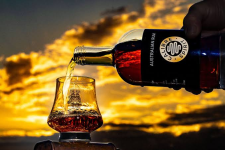
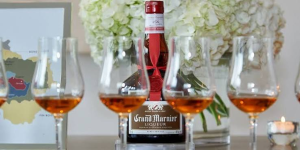
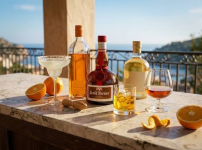
World Rum Day drams onto our calendars each July 11.

It falls on the second Saturday of July as part of its annual global tradition. Distilleries, bars, and festivals across Australia are hosting major events, tastings, and retail promotions to mark the occasion.

Rum is a distilled spirit that is typically made from sugarcane juice or molasses and is aged in oak barrels to develop its flavour and colour. The aging process allows the rum to interact with the wood, which imparts flavours such as vanilla, caramel, and spices, and also gives the rum its characteristic colour.

Flavoured rums have been infused with additional flavours. The additional flavours can range from fruits like coconut, pineapple, and mango, to spices like cinnamon and nutmeg, to other flavours like chocolate and coffee.

Flavoured rums can be enjoyed on their own, but they are also commonly used in cocktails. For example, a coconut-flavoured rum might be used in a tropical drink like a piña colada, while a spiced rum might be used in a classic cocktail like a Dark and Stormy.

Some popular brands of flavoured rum include Captain Morgan, Bacardi, and Malibu. These brands offer a range of flavours, from classic options like vanilla and spiced to more unique flavours like passionfruit and watermelon.

Distilled from either the molasses or juice that comes from sugarcane, rum is a deliciously sweet liquor that is enjoyed the world over. With a reputation that is related to pirates and revolutions, rum brings with it a unique and fascinating background. World Rum Day celebrates the rum itself and its somewhat-sordid past, as well as the community of makers, bartenders and drinkers whose lives are made a little better by rum!

Today is a celebration of rum's rich history, diverse flavours, and cultural significance. This international holiday honours the rich history and diverse flavours of rum, a spirit deeply intertwined with the cultural heritage of many regions, particularly the Caribbean. From tropical cocktails to classic punches, World Rum Day is a time to appreciate the versatility and craftsmanship of this beloved spirit.

Featured Events & Festivals in Australia:
  • Sydney (NSW): Rumolution 2026 runs from July 10–11 at a working WW2 logistics warehouse distillery, bringing together over 30 top Australian and international producers for tastings and masterclasses.
  • Sydney (NSW): Archie Rose Distilling Co. is hosting the Molasses Reef Rum Experience on Saturday, 11 July at The Taproom, featuring exclusive guided tastings and food pairings.
  • Gold Coast (QLD): Six-Tricks Distilling Co. presents Rum & Riddim, a free public afternoon event showcasing top Queensland rum makers alongside live reggae music and food trucks.
  • Capel Sound (VIC): Sound Bar is hosting a World Rum Day live music event featuring Projectile Dysfunction and Pontoon starting at 7:00 PM.
  • Bunbury (WA): The Rose Hotel & Motel is running dedicated World Rum Day celebrations from 8:00 PM to 11:30 PM.
Australia's warm, humid climate - particularly in Queensland and Northern New South Wales - is perfect for growing sugarcane, making rum one of the most accessible and locally produced spirits.

Australia has experienced a significant craft rum renaissance, growing from just 7 to roughly 45 dedicated rum producers and craft distilleries across the country in recent years. Nationwide, there are over 320 spirit distilleries, with a large concentration of rum producers located in Queensland and New South Wales.

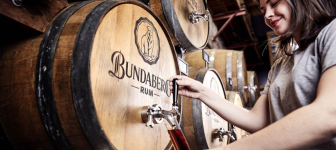
Australians as consumers have an absolute soft spot for Bundaberg Rum (affectionately known as "Bundy"), especially mixed with Coke. It is a national cultural icon. However, the Aussie rum scene has exploded with premium craft distilleries. Here are the top rums Australians love, from heritage icons to modern favourites:
  • Bundaberg Rum: The undisputed king of Aussie spirits. Produced in Queensland, it's famous for its bold, sweet flavour and is a staple at beach barbecues and social gatherings.
  • Beenleigh Rum: Crafted at Australia's oldest operating distillery (holding license No. 1). It offers a richer, more traditional profile with distinct notes of caramel and strawberry.
  • Brix Distillers: An urban distillery based in Surry Hills, Sydney. They produce incredible small-batch, locally fermented rums ranging from spiced to cask-finished expressions.
  • Nil Desperandum: Located on the Sunshine Coast, this distillery makes Australia's first certified organic molasses rum. They are highly regarded for their rich, unadulterated pot-stilled releases.
  • Husk Distillers: Famous for their Bam Bam Spiced Rum and unique Agricole-style white rums made from fresh, crushed sugarcane in the Northern Rivers.

Whether you're a seasoned connoisseur or a curious newcomer, this holiday invites you to explore the world of rum, one sip at a time.

So, gather your friends, pour a glass, and toast to the enduring legacy of rum.
Cheers!


Fun Facts about Rum:
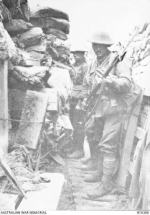
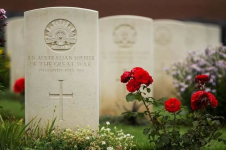
  • The "Gunfire Breakfast": Rum has a strong traditional place in Australian military history, where a "tot" of rum is commonly added to early-morning coffee during ANZAC Day dawn services.
  • Rum gets drier with Age, not sweeter
  • The slang word for rum – “grog” – was named after a coat worn by a British Admiral. The same Admiral was who George Washington’s estate was named after.
  • The only successful armed takeover of an Australian Government was called the Rum Rebellion and overthrew William Bligh…yes, that William Bligh.
  • In 1884, an abandoned steamboat washed ashore at ‘Beenleigh’, a sugarcane property on the Albert River in Queensland, Australia. Aboard the boat, the SS Walrus, was a tremendous copper still. Fate had landed a gift at the feet of cane growers John Davy and Francis Gooding, and they set about distilling spirit from their own sugarcane. Now, 142 years later, Beenleigh Rum is still crafted at the same riverside location.


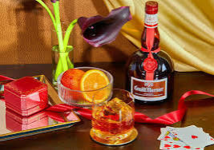
“Rum makes everything smoother”

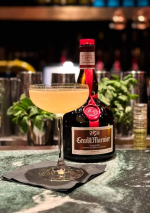
“Yo-ho-ho and a bottle of fun”

“Shake, stir, laugh, repeat”

“Rum isn’t a drink, it’s a lifestyle”


1783719835735.png


1783719858300.png


1783719897430.png


1783719927941.png
 
World Rum Day drams onto our calendars each July 11.

It falls on the second Saturday of July as part of its annual global tradition. Distilleries, bars, and festivals across Australia are hosting major events, tastings, and retail promotions to mark the occasion.

Rum is a distilled spirit that is typically made from sugarcane juice or molasses and is aged in oak barrels to develop its flavour and colour. The aging process allows the rum to interact with the wood, which imparts flavours such as vanilla, caramel, and spices, and also gives the rum its characteristic colour.

Flavoured rums have been infused with additional flavours. The additional flavours can range from fruits like coconut, pineapple, and mango, to spices like cinnamon and nutmeg, to other flavours like chocolate and coffee.

Flavoured rums can be enjoyed on their own, but they are also commonly used in cocktails. For example, a coconut-flavoured rum might be used in a tropical drink like a piña colada, while a spiced rum might be used in a classic cocktail like a Dark and Stormy.

Some popular brands of flavoured rum include Captain Morgan, Bacardi, and Malibu. These brands offer a range of flavours, from classic options like vanilla and spiced to more unique flavours like passionfruit and watermelon.

Distilled from either the molasses or juice that comes from sugarcane, rum is a deliciously sweet liquor that is enjoyed the world over. With a reputation that is related to pirates and revolutions, rum brings with it a unique and fascinating background. World Rum Day celebrates the rum itself and its somewhat-sordid past, as well as the community of makers, bartenders and drinkers whose lives are made a little better by rum!

Today is a celebration of rum's rich history, diverse flavours, and cultural significance. This international holiday honours the rich history and diverse flavours of rum, a spirit deeply intertwined with the cultural heritage of many regions, particularly the Caribbean. From tropical cocktails to classic punches, World Rum Day is a time to appreciate the versatility and craftsmanship of this beloved spirit.

Featured Events & Festivals in Australia:
  • Sydney (NSW): Rumolution 2026 runs from July 10–11 at a working WW2 logistics warehouse distillery, bringing together over 30 top Australian and international producers for tastings and masterclasses.
  • Sydney (NSW): Archie Rose Distilling Co. is hosting the Molasses Reef Rum Experience on Saturday, 11 July at The Taproom, featuring exclusive guided tastings and food pairings.
  • Gold Coast (QLD): Six-Tricks Distilling Co. presents Rum & Riddim, a free public afternoon event showcasing top Queensland rum makers alongside live reggae music and food trucks.
  • Capel Sound (VIC): Sound Bar is hosting a World Rum Day live music event featuring Projectile Dysfunction and Pontoon starting at 7:00 PM.
  • Bunbury (WA): The Rose Hotel & Motel is running dedicated World Rum Day celebrations from 8:00 PM to 11:30 PM.
Australia's warm, humid climate - particularly in Queensland and Northern New South Wales - is perfect for growing sugarcane, making rum one of the most accessible and locally produced spirits.

Australia has experienced a significant craft rum renaissance, growing from just 7 to roughly 45 dedicated rum producers and craft distilleries across the country in recent years. Nationwide, there are over 320 spirit distilleries, with a large concentration of rum producers located in Queensland and New South Wales.

Australians as consumers have an absolute soft spot for Bundaberg Rum (affectionately known as "Bundy"), especially mixed with Coke. It is a national cultural icon. However, the Aussie rum scene has exploded with premium craft distilleries. Here are the top rums Australians love, from heritage icons to modern favourites:
  • Bundaberg Rum: The undisputed king of Aussie spirits. Produced in Queensland, it's famous for its bold, sweet flavour and is a staple at beach barbecues and social gatherings.
  • Beenleigh Rum: Crafted at Australia's oldest operating distillery (holding license No. 1). It offers a richer, more traditional profile with distinct notes of caramel and strawberry.
  • Brix Distillers: An urban distillery based in Surry Hills, Sydney. They produce incredible small-batch, locally fermented rums ranging from spiced to cask-finished expressions.
  • Nil Desperandum: Located on the Sunshine Coast, this distillery makes Australia's first certified organic molasses rum. They are highly regarded for their rich, unadulterated pot-stilled releases.
  • Husk Distillers: Famous for their Bam Bam Spiced Rum and unique Agricole-style white rums made from fresh, crushed sugarcane in the Northern Rivers.

Whether you're a seasoned connoisseur or a curious newcomer, this holiday invites you to explore the world of rum, one sip at a time.

So, gather your friends, pour a glass, and toast to the enduring legacy of rum.
Cheers!


Fun Facts about Rum:
  • The "Gunfire Breakfast": Rum has a strong traditional place in Australian military history, where a "tot" of rum is commonly added to early-morning coffee during ANZAC Day dawn services.
  • Rum gets drier with Age, not sweeter
  • The slang word for rum – “grog” – was named after a coat worn by a British Admiral. The same Admiral was who George Washington’s estate was named after.
  • The only successful armed takeover of an Australian Government was called the Rum Rebellion and overthrew William Bligh…yes, that William Bligh.
  • In 1884, an abandoned steamboat washed ashore at ‘Beenleigh’, a sugarcane property on the Albert River in Queensland, Australia. Aboard the boat, the SS Walrus, was a tremendous copper still. Fate had landed a gift at the feet of cane growers John Davy and Francis Gooding, and they set about distilling spirit from their own sugarcane. Now, 142 years later, Beenleigh Rum is still crafted at the same riverside location.


“Rum makes everything smoother”

“Yo-ho-ho and a bottle of fun”

“Shake, stir, laugh, repeat”

“Rum isn’t a drink, it’s a lifestyle”


View attachment 40325


View attachment 40326


View attachment 40327


View attachment 40328
Seems an appropriate World Day after last nights result. Maybe a couple for breakfast might make the pain and suffering more bearable.
 
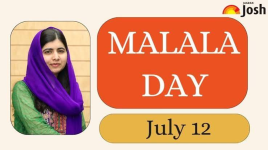
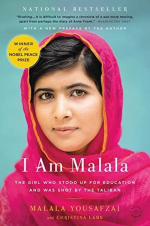
Malala Day heroes itself onto our calendars on July 12. Today shines a light on the power of one voice to spark change. It honours Malala Yousafzai, a young girl who stood up for her right to learn when others tried to silence her. Her story is about bravery and refusing to accept a world where education is denied based.

Malala Day is observed annually on July 12 to honour Nobel Peace Prize laureate Malala Yousafzai and to advocate for the rights of all girls to receive 12 years of free, safe, and quality education. Today is about global recognition and action for educational equality.

The United Nations declared July 12 "Malala Day" in 2013, coinciding with Malala's 16th birthday and her historic address at the UN Youth Assembly. Instead of celebrating it as a personal birthday, she dedicated the day to the millions of children around the world who are denied basic education.

Malala Day shines a light on the power of one voice to spark change. It honours Malala Yousafzai, a young girl who stood up for her right to learn when others tried to silence her.

She was born on the 12th of July 1997 in the Swat Valley, Pakistan, is an education activist renowned for her efforts to secure education rights for girls. Her activism began in response to the Taliban's restriction on girls' education in her region. When she was 11-years old, she used the pseudonym, Gul Makai (the heroine from a Pashtun folktale) to write a blog for the BBC Urdu about her experiences living under Taliban rule and advocating for girls' rights to learn.

Yusufzai continued her activism beyond the blog, and her work became the topic of international documentaries. She was also nominated for the International Children’s Peace Prize by South African activist and Nobel Laureate, Archbishop Emeritus Desmond Tutu.

As Yusufzai’s work gained prominence, she started receiving death threats. Despite this, she remained determined to speak out.

The 2012 Assassination Attempt:
At age 15, she survived a targeted assassination attempt by a Taliban gunman who boarded her school bus, an event that sparked international outrage. She lost hearing in her left ear after being shot and critically injured.

Her story is about bravery and refusing to accept a world where education is denied based on gender. Her journey from a schoolgirl in Pakistan to a Nobel Prize-winning activist proves that even the smallest voice can echo across the world.

Marking this occasion is more than just remembering one girl’s fight—it is about continuing what she started. Millions of children, especially girls, still face barriers to learning.

Poverty, violence, and outdated traditions keep them from classrooms where they could dream bigger and build better futures. Malala Day challenges everyone to do more, to speak louder, and to push for change.

It is a call to stand with those who are still waiting for their chance to learn. When a child is given an education, doors open, confidence grows, and possibilities multiply. One voice started this movement, but it takes many to carry it forward.

"It is not my day. Today is the day of every woman, every boy, and every girl who has raised their voice for their rights." Yusufzai believes that Malala Day is an invitation to each of us to play a part in the global movement towards education for all.

In Australia, the day is widely observed in schools, childcare centres, and community groups. While there are no singular, massive ticketed gatherings, institutions typically mark the occasion through:
  • Educational Activities: Incorporating lesson plans and stories about Malala's bravery into classrooms.
  • Fundraising: Organizing local drives to support the global Malala Fund, which advocates for 12 years of safe, free, and quality education for every girl.
  • Awareness Campaigns: Joining forces with Australian aid organizations (such as ChildFund Australia) to promote educational equity.

Every child everywhere deserves equality in education.
Simple.


"With guns you can kill terrorists, with education you can kill terrorism"

"If one man can destroy everything, why can't one girl change it?"

"One child, one teacher, one book, one pen can change the world"

"I raise up my voice — not so that I can shout, but so that those without a voice can be heard."


1783816296948.png


1783816324826.png


1783816343882.png


1783816366476.png
 
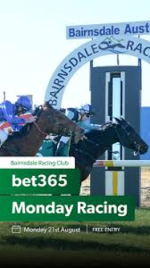
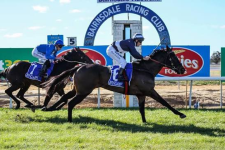
Monday 13 July is when the annual Bairnsdale Racing Club is held in country Victoria.

Racing. The way it's meant to be!

Our racing is as real as it gets.

Established in 1862, the Bairnsdale Racing Club stands as East Gippsland’s premier thoroughbred racing venue. Nestled in a region famed for its lakes, rivers, and high country, the club has long been a hub for both racing enthusiasts and the local community. Hosting around seven race meetings each season, its marquee events - the Bairnsdale Cup in March and Melbourne Cup Day Races in November - draw crowds from across Victoria.

As a not-for-profit organisation, the club thrives thanks to the tireless efforts of its volunteer committee. This passionate group ensures the club’s sustainability and growth & through their dedication, alongside support from local sponsors and partners, keeps the spirit of country racing alive in Bairnsdale—where tradition, community, and sport come together in true Gippsland style.

Bairnsdale races seven times a year, five of which have national TAB coverage.

The Bairnsdale region is the western gateway to the Lakes and Wilderness region of East Gippsland.

The area still retains the quiet country pace and fresh air that you don’t get in a bigger city.

Not quite city, not quite country.

On the banks of the Mitchell River, Bairnsdale manages to retain a unique atmosphere as the commercial and administrative hub of the region.

Bairnsdale Racecourse lies in a fantastic position in the town of Bairnsdale in the East Gippsland region of Victoria. The circuit is approximately 3.5 hours drive from Melbourne along the Princess Highway past other racing communities such as Sale and Moe.

It's the eastern gateway to Mouth Hotham and given it's located about halfway between Melbourne and the east coast border with New South Wales Bairnsdale serves a thriving racing community.

Come and support the local community and enjoy the up-close racing action that you'll only get in the country. Whether you are looking for country casual or a catered experience, there is something to suit everybody!

Gates open at 11am

First races traditionally commence at 1pm, however please check the specific race day you are attending as this is finalised a few days out from the event.

If you’re attending corporate hospitality, please dress in neat casual – no thongs or ripped denim. Men are to dress with a collared shirt, and ladies accordingly.

We embrace a laid-back lifestyle in the country and encourage dress standards from all ends of the spectrum. Whether you’re entering Fashions on the Field, dressing up for hens or bucks, or simply just want to come along in a shirt and shorts – we encourage ‘Country Casual’ – whatever you feel comfortable in, we’re happy to have you in!

Country Racing clubs do their best to offer children free activities.

Car parking is free and plentiful.

For those feeling lucky, a bookie ring is available.

Our Country Racing clubs differ geographically, and in most cases there is public transport offered to the event. This is usually in the way of Vline coach or train via large regional hubs or from Melbourne CBD.

Some clubs also offer chartered buses for a very small price. We ask that you check on the race day event page to view ‘Getting There’ details via car, bus and train.

Kids 17 and under will gain free entry.

Our race meetings are non-BYO alcohol events. However, alcoholic beverages can be purchased on course. You may bring your own non-alcoholic beverages, but please limit these to plastics or cans, glass is not permitted.

We encourage groups to bring their own picnics, but we ask that you leave sharp knives and glass at home. We also offer numerous catering and beverage packages, but you’re best to give the club a call to find out more information about available packages.

We don’t offer BBQs on course, nor do we allow portable BBQs to be brought in. We take fire safety very seriously in the country, so please leave your BBQs at home!

Clubs differ from each other; however fast food options are available around the course, with clubs also offering dining options. In some cases, stalls and markets may be set up, and food trucks may be available on course. There are also vendors on site who offer vegetarian, vegan and gluten-free options. You may also bring your own food and non-alcoholic drinks to our race day.

Due to safety regulations and public liability, we do not allow patrons to bring their own shade structures, including marquees and umbrellas. We do however offer affordable marquees and umbrella packages for sale on the day. Please view our upcoming race days for prices and availability.

Patrons are welcome to BYO fold up chairs or tables.

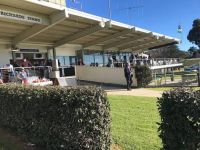
Most of our racecourses have grandstands available to the public, but we encourage you to grab a seat early as they fill out quite quickly. While some clubs offer shaded areas, to guarantee shade during the warmer months, we encourage you to purchase a very affordable umbrella or marquee.

Smoking is permitted on course, but we ask that you smoke in the signed designated areas. Please be mindful of non-smokers and lighting up around heavily populated public areas.


Getting There

Location


124 Forge Creek Road
Bairnsdale VIC 3875


1783897346733.png


1783897378076.png


1783897393283.png


1783897411518.png
 
Back
Top