And today is .......

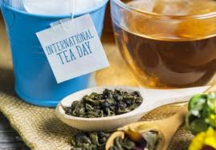
International Tea Day brews onto our calendars each May 21. Today celebrates the cultural, economic, and health significance of the world's most consumed beverage (after water) while promoting sustainable production and rural livelihoods.

Tea is a beverage made from the Camellia sinesis plant. Tea is the world's most consumed drink, after water.

Tea production and processing constitutes a main source of livelihoods for millions of families in developing countries and is the main means of subsistence for millions of poor families, who live in a number of least developed countries.

The tea industry is a main source of income and export revenues for some of the poorest countries and, as a labour-intensive sector, provides jobs, especially in remote and economically disadvantaged areas. Tea can play a significant role in rural development, poverty reduction and food security in developing countries, being one of the most important cash crops.

Tea consumption can bring health benefits and wellness due to the beverage's anti-inflammatory, antioxidant and weight loss effects. It also has cultural significance in many societies.

Australia boasts a vibrant tea industry, ranging from mass-market supermarket favourites to premium native-blended and single-origin loose leaves grown locally in the country's unique climate.

Australia produces around 1,000 tonnes of processed tea annually, satisfying a fraction of its total consumption. Cultivation is centred in two primary regions:
  • Far North Queensland: Produces over 90% of Australia's black tea. The largest estate is Nerada Tea, which harvests on the Atherton Tablelands, alongside the Nucifora Tea Estate and Madura Tea on the NSW/QLD border.
  • Northern New South Wales & Victoria: Small-scale specialty farms and boutique growers (e.g., Two Rivers) produce black, green, and oolong teas.
Tea Day is celebrated by tea lovers and heavily coincides with the Cancer Council Australia's Biggest Morning Tea, which encourages Australians to host tea gatherings to raise funds for cancer research.

Everyone is encouraged to celebrate or get involved locally in especially raising funds for much needed research:
  • Host or Join a Morning Tea: Register to host an official Australia's Biggest Morning Tea event anytime throughout May or June at your home, workplace, or local park to raise funds for cancer research.
  • Local Retailers & Events: Check specialized local tea houses—such as The Tea Centre—which often highlight unique blends and sustainability practices during this season.
  • Learn and Explore: The Twinkl International Tea Day Event Guide provides cross-curricular activities and learning resources focused on the history, fair trade, and global impact of tea production.
And all the while, drinking tea is good for us.

In the most recent dietary guidelines, the Nutrition Committee of the AHA recommended that individuals consume a diet rich in fruits and vegetables to reduce the risk for cardiovascular disease. Such a diet includes green and black tea.

Drinking tea offers a wide array of health benefits, primarily driven by its rich antioxidant and anti-inflammatory properties. It supports heart health, aids hydration, provides focused energy, and may lower the risk of chronic diseases.

The primary health benefits may also include:
  • Packed with Antioxidants: Teas contain polyphenols (like catechins and flavonoids) that combat cellular damage and lower inflammation.
  • Heart Health: Regular consumption is associated with improved blood pressure, lower LDL cholesterol, and a reduced risk of stroke.
  • Focused Energy: Tea contains L-theanine, an amino acid that pairs with caffeine to provide a steady, jitter-free energy boost and improved mental focus..
  • Weight Management: Unsweetened tea is calorie-free and can help support metabolism and body fat reduction.
  • Bone & Dental Health: Research suggests tea can help protect teeth enamel naturally and may lead to higher bone mineral density
Then remains the question: Does it matter whether you drink tea from a pot or from a tea bag? Do you jiggle or not?

The answer always goes to personal choice: Use tea bags for a quick cup on the go, or use a pot when you have time to enjoy the ritual, or if you are serving multiple people. Both tea drinking methods are winners!

Please pass me the milk and sugar?


Fun Facts about Tea:

  • Unlike coffee and wine, which are made with different kinds of beans and grapes, all tea comes from the same plant. Thousands of very different tea flavours are made by rolling, oxidizing, and handling your tea leaves in various ways after harvesting. Oolong tea, black tea, white tea, green tea, and pu-erh tea are all made from the Camellia sinensis plant.
  • It takes 2000 little tea leaves to make just one pound of tea - or 200 to 250 cups of tea. 100 million cups of tea are consumed every day, which comes out to about 36 billion a year. This is 288-365 trillion individual tea leaves a year! WOW!!
  • British aristocrat and Prime Minister Charles Grey was gifted tea that was infused with bergamot oil. After asking merchants to recreate it, the tea was named “Earl Grey
  • Herbal "teas" aren't real teas: Technically, herbal teas (like chamomile or peppermint) are just plant infusions. Since they do not come from the Camellia sinensis plant, experts classify them as tisanes.
  • Reading the leaves: The ancient and quirky art of fortune-telling by reading the leftover wet leaves at the bottom of a teacup is called tasseography.


"No matter what is happening in your life, you always offer tea"

"Rainy days should be spent at home with a cup of tea and a good book"

"A true warrior, like tea, shows his strength in hot water"

"Come, let us have some tea and continue to talk about happy things."


1779312109372.png


1779312123444.png


1779312136686.png


1779312151562.png
 
International Tea Day brews onto our calendars each May 21. Today celebrates the cultural, economic, and health significance of the world's most consumed beverage (after water) while promoting sustainable production and rural livelihoods.

Tea is a beverage made from the Camellia sinesis plant. Tea is the world's most consumed drink, after water.

Tea production and processing constitutes a main source of livelihoods for millions of families in developing countries and is the main means of subsistence for millions of poor families, who live in a number of least developed countries.

The tea industry is a main source of income and export revenues for some of the poorest countries and, as a labour-intensive sector, provides jobs, especially in remote and economically disadvantaged areas. Tea can play a significant role in rural development, poverty reduction and food security in developing countries, being one of the most important cash crops.

Tea consumption can bring health benefits and wellness due to the beverage's anti-inflammatory, antioxidant and weight loss effects. It also has cultural significance in many societies.

Australia boasts a vibrant tea industry, ranging from mass-market supermarket favourites to premium native-blended and single-origin loose leaves grown locally in the country's unique climate.

Australia produces around 1,000 tonnes of processed tea annually, satisfying a fraction of its total consumption. Cultivation is centred in two primary regions:
  • Far North Queensland: Produces over 90% of Australia's black tea. The largest estate is Nerada Tea, which harvests on the Atherton Tablelands, alongside the Nucifora Tea Estate and Madura Tea on the NSW/QLD border.
  • Northern New South Wales & Victoria: Small-scale specialty farms and boutique growers (e.g., Two Rivers) produce black, green, and oolong teas.
Tea Day is celebrated by tea lovers and heavily coincides with the Cancer Council Australia's Biggest Morning Tea, which encourages Australians to host tea gatherings to raise funds for cancer research.

Everyone is encouraged to celebrate or get involved locally in especially raising funds for much needed research:
  • Host or Join a Morning Tea: Register to host an official Australia's Biggest Morning Tea event anytime throughout May or June at your home, workplace, or local park to raise funds for cancer research.
  • Local Retailers & Events: Check specialized local tea houses—such as The Tea Centre—which often highlight unique blends and sustainability practices during this season.
  • Learn and Explore: The Twinkl International Tea Day Event Guide provides cross-curricular activities and learning resources focused on the history, fair trade, and global impact of tea production.
And all the while, drinking tea is good for us.

In the most recent dietary guidelines, the Nutrition Committee of the AHA recommended that individuals consume a diet rich in fruits and vegetables to reduce the risk for cardiovascular disease. Such a diet includes green and black tea.

Drinking tea offers a wide array of health benefits, primarily driven by its rich antioxidant and anti-inflammatory properties. It supports heart health, aids hydration, provides focused energy, and may lower the risk of chronic diseases.

The primary health benefits may also include:
  • Packed with Antioxidants: Teas contain polyphenols (like catechins and flavonoids) that combat cellular damage and lower inflammation.
  • Heart Health: Regular consumption is associated with improved blood pressure, lower LDL cholesterol, and a reduced risk of stroke.
  • Focused Energy: Tea contains L-theanine, an amino acid that pairs with caffeine to provide a steady, jitter-free energy boost and improved mental focus..
  • Weight Management: Unsweetened tea is calorie-free and can help support metabolism and body fat reduction.
  • Bone & Dental Health: Research suggests tea can help protect teeth enamel naturally and may lead to higher bone mineral density
Then remains the question: Does it matter whether you drink tea from a pot or from a tea bag? Do you jiggle or not?

The answer always goes to personal choice: Use tea bags for a quick cup on the go, or use a pot when you have time to enjoy the ritual, or if you are serving multiple people. Both tea drinking methods are winners!

Please pass me the milk and sugar?


Fun Facts about Tea:

  • Unlike coffee and wine, which are made with different kinds of beans and grapes, all tea comes from the same plant. Thousands of very different tea flavours are made by rolling, oxidizing, and handling your tea leaves in various ways after harvesting. Oolong tea, black tea, white tea, green tea, and pu-erh tea are all made from the Camellia sinensis plant.
  • It takes 2000 little tea leaves to make just one pound of tea - or 200 to 250 cups of tea. 100 million cups of tea are consumed every day, which comes out to about 36 billion a year. This is 288-365 trillion individual tea leaves a year! WOW!!
  • British aristocrat and Prime Minister Charles Grey was gifted tea that was infused with bergamot oil. After asking merchants to recreate it, the tea was named “Earl Grey
  • Herbal "teas" aren't real teas: Technically, herbal teas (like chamomile or peppermint) are just plant infusions. Since they do not come from the Camellia sinensis plant, experts classify them as tisanes.
  • Reading the leaves: The ancient and quirky art of fortune-telling by reading the leftover wet leaves at the bottom of a teacup is called tasseography.


"No matter what is happening in your life, you always offer tea"

"Rainy days should be spent at home with a cup of tea and a good book"

"A true warrior, like tea, shows his strength in hot water"

"Come, let us have some tea and continue to talk about happy things."


View attachment 37925


View attachment 37926


View attachment 37927


View attachment 37928

So many excellent teas around,however tea bags are the dregs of what good tea should be even if it is very convenient.Good loose leaf tea is what i prefer to drink although i do have to make it myself in a pot (Tea Leaves supply great quality and varied tea as does The Tea Centre,both online and will deliver to you).
 
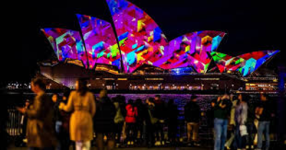
Vivid Sydney is a dazzling celebration that transforms the city into a vibrant playground of lights, music, and creativity. And it's on now!

This city-wide extravaganza extends between May 22 and June 13.

For weeks, iconic landmarks and urban spaces glow with stunning light installations and 3D projections, captivating both locals and tourists. This festival draws millions of visitors each year, offering an enchanting experience that highlights Sydney’s beauty and creativity at night.

From breathtaking visual displays to mesmerizing performances, Vivid Sydney truly brings the city to life, showcasing its innovative spirit most spectacularly!

Transforming Sydney for 23 days and nights, in 2026 for its 16th year, Vivid Sydney will fuse art, innovation and technology in collaboration with some of the most boundary-pushing artists, musicians, thinkers and culinary experts of our time.

Vivid Sydney is owned, managed and produced by Destination NSW, the NSW Government's tourism and major events agency.

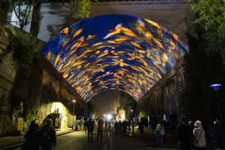
Vivid Light transforms Sydney’s streets, parks and buildings into a wonderland. Easier to explore than ever, this year’s Vivid Light Walk is an unbroken 6.5km of art, transforming Circular Quay and The Rocks, Barangaroo and Darling Harbour. Pushing creative and technological boundaries, the Vivid Light Walk spans large-scale projections, interactive installations, and cutting-edge laser and digital art.

Vivid Music delivers an electrifying lineup of global and homegrown talent, from intimate gigs to high-energy performances.

New this year to Vivid Sydney, Vivid Minds is where Art, Performance and Ideas collide. Expanding upon and re-imagining the previous Ideas programming, Vivid Minds complements talks with festival-first art-forms and events, including invigorating theatrical spectacles and immersive experiences.

A feast for the senses, Vivid Food brings together world-leading chefs in celebration of NSW’s dining scene and produce, as well as the stories, flavours and cultures behind every dish.

Go beyond in 2026 with Vivid Sydney, as we expand our horizons with new artistic genres and forms, in an arts program full of invigorating festival firsts.

We’re offered a range of curated experiences and great deals to enhance your Vivid Sydney experience, from harbour cruises and activities to Sydney dining and accommodation, via the Uber Eats app, as Vivid Sydney Official Partner Uber shines a light on great Dine Out deals during the festival.

Spectacular locations this year include, Barangaroo, Carriageworks, Circular Quay and The Rocks, Darling Harbour, Sydney CBD and the Sydney Opera House.

Large crowds are expected to explore the city and surrounds over the 23 nights of the festival. A little planning can make your Vivid Sydney journey a moment to remember.

Public transport is the best way to get around during Vivid Sydney. Trains and buses run frequently to the city. If you’re catching the bus, plan ahead as services to and from the city will be using different routes and stops while roads are closed between 3pm-1am.

Travel on public transport is not free during Vivid Sydney. You’ll need to use an Opal card or contactless payment method when travelling on public transport. The Transport for NSW website features trip planners with maps and journey details.
Otherwise, all details about this event can be readily checked via their website:

https://www.vividsydney.com/


Fun Facts about Vivid Sydney:

  • Vivid Sydney is the Southern Hemisphere's largest festival of light, music, and ideas. Launched in 2009, this annual winter event transforms the city’s skyline, architecture, and walkways into a massive, immersive canvas.
  • The festival consistently draws massive numbers, with its biggest year on record pulling in over 3.28 million attendees over its 23-day run
  • Vivid Sydney has embraced cutting-edge aerial technology. The highly popular "Written in the Stars" drone shows featured coordinated swarms of over 1,000 drones painting massive 3D animations in the night sky over Sydney Harbour
  • Transforming the Sydney Opera House into a glowing piece of digital art takes immense effort. Instead of physical paint, the stunning visualizations require specialized, high-powered projectors, sometimes operating with up to 100 times the brightness of a standard commercial cinema projector
  • Over 75% of the Vivid Sydney festival program is entirely free to explore, meaning the only tickets you'll ever need to budget for are specialized events like Vivid Music gigs, culinary experiences, or ticketed immersive exhibitions like Wonderverse at the Australian National Maritime Museum
  • It takes 5.2 kilometres of network cable (fibre and Ethernet) to light up the Sydney Harbour Bridge and the city during the event. That’s almost five times the length of the bridge.


"Sydney doesn't just turn on the lights; it turns on the imagination"

"Every winter, the Harbour City flips the switch on the ordinary"

"Sydney is lit... literally. My eyes hurt, but my Instagram has never looked better”

“Every corner, a new interactive glow”


1779399788479.png


1779399802390.png


1779399820622.png


1779399834949.png
 
The Trading Card Summit happens 23rd–24th May and is set to be Australia’s biggest trading card–only event of 2026, bringing together collectors, vendors, investors and hobby enthusiasts from across the country for an unforgettable weekend.

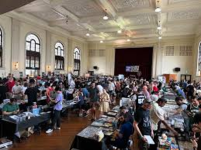
Taking place at the Exhibition Halls, Sydney Showground, the SUMMIT will feature almost 5000sqm dedicated entirely to trading cards, making it one of the largest card hobby gatherings ever held in Australia.

This is “THE” event especially for collectors by collectors.

Trading Card Show Australia is one of the first ever dedicated Trading Card ONLY events in the country, bringing together collectors, enthusiasts, and traders all over Australia. Since 2022, this event has created a space that brings together a community where the love for all things cards - Pokémon, One Piece, NBA, NRL, AFL, Soccer, and so many more - truly comes alive like never before!

The Mission is simple: bring passionate card collectors together with sellers, traders and dealers to nurture the future of the hobby and grow the community, the connection, and the thrill of what card collecting brings, just as it was when we were kids.

Across the two days, attendees can expect:
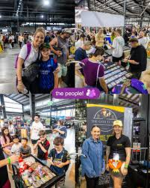
  • Hundreds of vendor tables showcasing sports cards, TCG, Pokémon, memorabilia and rare collectibles
  • Huge buying, selling and trading opportunities with dealers from across Australia as well as some international dealers.
  • Card grading submissions available onsite, giving collectors the opportunity to submit their cards for professional grading directly at the event with authorised grading partners.
  • Celebrity guest appearances, including ex-NBA superstar signings and photo opportunities
  • Massive giveaways and prizes throughout the event.
  • A massive community atmosphere bringing together collectors of all levels
The event’s special guest, all the way from the United States of America, is King of the Kards.

And the best part? No extra cost to meeting Kyle @KingoftheKards, only a valid entry ticket to Trading Card Show. King of the Kard will also be walking around, checking out all the stock, meeting all the fans as well as having his own booth.

There’s also photo and signing sessions with Lauren Jackson and Andrew Bogut. The signing session ticket with Lauren Jackson includes one photo and 1 item of your choice to be autographed.

Whether you’re a seasoned collector chasing grails, a vendor looking to connect with the community, or someone new to the hobby, the Trading Card SUMMIT will be the ultimate place to experience the passion and excitement of the trading card world.

With thousands of collectors expected through the doors, this will be a landmark event for the Australian trading card community.

Get ready for two huge days of trading cards, community and unforgettable hobby moments.


Fun Facts about the Trading Card Summit:
  • The event features over 220 vendors and nearly 500 tables of cards, spanning the equivalent of an entire football field.
  • The summit hosted Australian sporting greats, including basketball stars Lauren Jackson and Andrew Bogut, as well as multiple NRL champions.
  • International auction house Goldin attended the event specifically to buy premium cards and take high-end consignments.
  • The layout included casual "Trade and Swap" spaces for attendees to negotiate deals and build community without being restricted to dealer booths.
  • The two-day event features massive giveaways, making it a high-stakes environment for attendees hoping to score rare hobby items.


"Thousands of square meters. Millions of memories. One epic summit"

"Your collection isn't just an investment; it's a piece of art and a story in your hands"

"Trading cards are no longer just a hobby; they’re a lifestyle. See you at the SUMMIT"

"I told my partner I was only going to the summit to look. It turns out I am a very expensive window shopper"


1779485787915.png


1779485808888.png


1779485833644.png


1779485852086.png


1779485871074.png
 
World Schizophrenia Awareness Day falls onto our calendars each May 24.

This very special day is a chance to deepen understanding and offer kindness to those affected. Small actions can bring hope and inspire change. It also highlights the challenges faced by individuals living with schizophrenia. This mental health condition affects how a person thinks, feels, and behaves.

Today serves to break the stigma and raise awareness for better mental health care. Schizophrenia is a complex and often stigmatized mental health condition. Many people who live with it face social isolation, discrimination, and limited access to healthcare and support services.

Raising awareness about schizophrenia can help reduce stigma and promote greater understanding and support for those affected by the condition.

A silver ribbon is worn as a symbol of support for people with schizophrenia and their families.

Schizophrenia affects approximately 1 in 100 people in Australia. This translates to roughly 150,000 to 250,000 Australians living with the condition. It typically emerges during late adolescence or young adulthood and is slightly more common in men than in women. The illness is categorized under the umbrella of psychotic disorders, which collectively affect around 4% of Australians during their lifetime.

Schizophrenia is generally considered a lifelong, chronic condition that currently has no cure. However, it is highly treatable. With proper care, many people experience long periods of remission where symptoms are minimal and can live fulfilling, independent lives.

People with schizophrenia may experience symptoms like hallucinations, delusions, and disorganized thinking.

These symptoms can make daily life difficult. Unfortunately, misunderstandings about schizophrenia often lead to stigma and discrimination. This day aims to increase understanding and support for those affected by this condition.

Managing the condition typically requires ongoing medical support. The most common strategies include:
  • Medication: Antipsychotic medications are the cornerstone of treatment, helping to manage acute episodes and prevent relapse.
  • Psychotherapy: Talk therapies, such as Cognitive Behavioral Therapy (CBT), assist in developing coping skills, managing stress, and improving daily functioning.
  • Support Services: Employment training, social support, and family education play a massive role in long-term recovery and community integration.
Because the condition is complex, early intervention and consistent adherence to a personalized treatment plan yield the best outcomes. For tailored guidance and resources, you can reach out to organizations like SANE Australia or consult a local general practitioner or psychiatrist

Recognizing World Schizophrenia Awareness Day encourages communities to learn more about this condition. By doing so, we can promote empathy and support for those living with schizophrenia.

This awareness can lead to better mental health care and more inclusive communities. It also emphasizes the importance of early detection and intervention, which can improve long-term outcomes for individuals with schizophrenia.

For us who are fortunate not to have this condition, today can be an opportunity to broaden our knowledge about schizophrenia with compassion. We might even read personal stories, attend talks, or listen to those with lived experiences. After all, understanding replaces fear with empathy, creating a world where people feel heard instead of judged.

We might be able to challenge misconceptions by sharing facts and uplifting voices that often go unheard. We can use social media or conversations to encourage acceptance. Words have power - choose ones that build bridges instead of walls.

Art, music, and poetry reveal emotions that words can’t always express. Today we might also support artists and storytellers who share their journey through creative works. Their courage helps others feel less alone and brings beauty to the conversation.

Mental health professionals, advocates, and individuals with schizophrenia work together to change perceptions.

Every conversation helps reduce stigma. Understanding can lead to better treatment, policies, and care. Small efforts from communities can make a big difference in creating a world that values mental well-being for all.

World Schizophrenia Awareness Day this year is the culmination of Schizophrenia Awareness Week (May 18–24), which centres on the theme “Beyond the Headlines.” The observance is dedicated to dispelling myths, challenging societal stigma, and elevating the voices of those with lived experiences

Schizophrenia Awareness Week is led by the Mental Illness Fellowship of Australia (MIFA) to promote understanding. Regional bodies, such as the NSW Transcultural Mental Health Centre, host community dialogues, while advocacy groups like MIEACT host local educational and storytelling sessions.

These days, this condition is highly treatable, and the future is filled with hope. Groundbreaking new medications - the first novel approaches in decades - are targeting brain pathways beyond dopamine. Combined with early intervention, modern psychosocial therapies, and holistic support, many individuals now achieve long-term remission and live highly meaningful, independent lives.

Today is meaningful if we each simply understand more about the condition and its toll on those in its grasp, and help where we can.

That’s always been our Aussie way.


“Schizophrenia is one of the most misunderstood diseases on earth. It is a physical brain disease, like Alzheimer’s, Parkinson’s, and stroke, but more treatable.”

“It’s not your fault. … And to the parents also, it’s not your fault. It’s just the luck of the genetic draw.”

“I think that I’m a better problem-solver because of my schizophrenia. When you have to question reality every single day, I think that makes you change how you view the world.”

“I learned a saying in the hospital. When you get cancer, people bring you cake. When you get a mental illness, people run away. But that’s not my experience at all. My friends and family all supported me. It’s not all bad.”


1779574339813.png


1779574354038.png


1779574371258.png
 
Wine Day uncorks itself onto our calendars each May 25.

Sweet or dry, red or white, fizzy or flat, today’s the day to raise a glass to one of the most loved and historical alcoholic tipples there is – the sophisticated and often sassy glass of wine. For centuries and centuries, wine has been a firm favourite of cultures across the world.

Whether it’s for helping creativity, religious ceremony, or simply livening up a gathering, there’s no doubt that this fruity fixture of the alcoholic drink repertoire well deserves its own day of observance.

On this day, it’s time to celebrate everything that makes a wine great. And everything that makes a wine great is, of course, everything about it.

Australia is famous for many things, from the Outback to Ramsey Street and from critters to cricket. However, one prized asset is genuinely the best thing since sliced bread: Australian wine. Whether it’s Shiraz or Chardonnay, Australian wine is our coveted top drop that delivers the goods for wine lovers worldwide.

So today is the perfect excuse to also support our Australian wine industry, whether by opening a premium bottle from a regional vineyard or exploring a nearby cellar door.

Australia has a thriving wine culture, and it should be celebrated. We have marvellous and very specific varietals or regional styles; and the good part: whatever the wine preference, all Aussie wines are winners!

Australia boasts over 60 diverse wine regions, producing globally acclaimed wines. While vineyards span the country, production is concentrated in cooler southern and western zones. The most famous regions include Barossa Valley, Margaret River, Yarra Valley, and the Hunter Valley.

Australian wine growers are mostly family-owned, about 2,500 wineries in total, many of which are small, family-owned companies

This means that the quality of our wine is always guaranteed. Their wines are not prepared in a large factory, so there is less chance of something going wrong. The winemakers here are also aware that their reputation is on the line, which means you are guaranteed the best Australian wine, glass after glass, bottle after bottle!

Australia wineries have been making quality wine for a long time. Not only have they been at it a long time, so have their vines. Australia has more old, even ancient (100+ year old) vines than any other wine-making country and they're making many high quality, great value wines from these old vineyards.

Like many "new world" wine-making regions and countries, Australian winemakers aren't burdened by tradition and rules like many European winemakers. Our Aussie winemakers are free to grow whatever grapes they want, where they want and can produce any style they want. In a vast country like Australia with a variety of climates, soils and personalities, that means there is an Australian wine perfect for just about every wine lover out there.

As the engine room of the Australian wine industry, South Australia produces half of the nation's wine. Adelaide is globally recognized as one of the Great Wine Capitals of the world.
  • Barossa Valley: Located just an hour from Adelaide, it is internationally famous for bold, full-bodied Shiraz and ancient vines.
  • McLaren Vale: Fleshy Shiraz and complex Grenache. Situated right by the coast, it seamlessly combines stunning beaches with world-class cellar doors.
  • Adelaide Hills: Just 20 minutes from the city, this cool-climate region is renowned for vibrant Sauvignon Blanc and elegant Chardonnay.
  • [This word has been automatically removed]awarra: Situated in the Limestone Coast, it is world-renowned for its distinct "terra rossa" soil, which produces legendary, age-worthy Cabernet Sauvignon.
And let’s not forget our other Aussie wine producing-treasures including:
  • Margaret River: Located a 3-hour drive south of Perth, this pristine maritime region is celebrated for world-class Cabernet Sauvignon and outstanding Chardonnay
  • Yarra Valley: Located just an hour from Melbourne, this cool-climate jewel is famous for refined Chardonnay and delicate Pinot Noir.
  • Rutherglen: Nestled in north-east Victoria, this region is internationally legendary for its rich, fortified Muscat and Topaque.
  • Hunter Valley: Australia’s oldest wine-producing region (just 2 hours north of Sydney). It is famous for elegant, long-aging Semillon and earthy Shiraz.
  • Tasmania: The entire island is a celebrated cool-climate powerhouse, widely acclaimed for premium sparkling wines, crisp Riesling, and complex Pinot Noir.

Generally, we Aussies enjoy our wine because it perfectly complements the country's outdoor, food-focused lifestyle and our laid-back social culture. With a massive variety of high-quality, regionally distinct wines available right in own backyard, we have access to approachable, versatile, and budget-friendly bottles.

As if we need an excuse to celebrate Wine Day: just share a glass with your friends. OK, maybe a glass or two after that too! Together, we So raise a glass, toast our friends and celebrate our wonderful wine today!

Bottoms up, as they say!


Fun Facts about Wine Day:
  • A common myth is that older wine is always better. In reality, most wines are meant to be consumed within a few years.
  • Grape stomping, or “pigeage,” began in ancient winemaking where the gentle pressure from humans’ feet extracted juice without crushing seeds, which can release bitter tannins.
  • The tradition of clinking glasses and toasting comes from Ancient Greece. The host would take the first sip to assure guests the wine wasn't poisoned.
  • Scientifically, women generally have a stronger sense of smell and more taste receptors, making them naturally better at wine tasting and identifying subtle food pairings.


"Wine is just juice with more life experience"

"In dog wine, I've only had two glasses"

"Wine is sunlight, held together by water"

"Wine is bottled poetry"


1779658281172.png


1779658295220.png


1779658310871.png


1779658363475.png
 
Wine Day uncorks itself onto our calendars each May 25.

Sweet or dry, red or white, fizzy or flat, today’s the day to raise a glass to one of the most loved and historical alcoholic tipples there is – the sophisticated and often sassy glass of wine. For centuries and centuries, wine has been a firm favourite of cultures across the world.

Whether it’s for helping creativity, religious ceremony, or simply livening up a gathering, there’s no doubt that this fruity fixture of the alcoholic drink repertoire well deserves its own day of observance.

On this day, it’s time to celebrate everything that makes a wine great. And everything that makes a wine great is, of course, everything about it.

Australia is famous for many things, from the Outback to Ramsey Street and from critters to cricket. However, one prized asset is genuinely the best thing since sliced bread: Australian wine. Whether it’s Shiraz or Chardonnay, Australian wine is our coveted top drop that delivers the goods for wine lovers worldwide.

So today is the perfect excuse to also support our Australian wine industry, whether by opening a premium bottle from a regional vineyard or exploring a nearby cellar door.

Australia has a thriving wine culture, and it should be celebrated. We have marvellous and very specific varietals or regional styles; and the good part: whatever the wine preference, all Aussie wines are winners!

Australia boasts over 60 diverse wine regions, producing globally acclaimed wines. While vineyards span the country, production is concentrated in cooler southern and western zones. The most famous regions include Barossa Valley, Margaret River, Yarra Valley, and the Hunter Valley.

Australian wine growers are mostly family-owned, about 2,500 wineries in total, many of which are small, family-owned companies

This means that the quality of our wine is always guaranteed. Their wines are not prepared in a large factory, so there is less chance of something going wrong. The winemakers here are also aware that their reputation is on the line, which means you are guaranteed the best Australian wine, glass after glass, bottle after bottle!

Australia wineries have been making quality wine for a long time. Not only have they been at it a long time, so have their vines. Australia has more old, even ancient (100+ year old) vines than any other wine-making country and they're making many high quality, great value wines from these old vineyards.

Like many "new world" wine-making regions and countries, Australian winemakers aren't burdened by tradition and rules like many European winemakers. Our Aussie winemakers are free to grow whatever grapes they want, where they want and can produce any style they want. In a vast country like Australia with a variety of climates, soils and personalities, that means there is an Australian wine perfect for just about every wine lover out there.

As the engine room of the Australian wine industry, South Australia produces half of the nation's wine. Adelaide is globally recognized as one of the Great Wine Capitals of the world.
  • Barossa Valley: Located just an hour from Adelaide, it is internationally famous for bold, full-bodied Shiraz and ancient vines.
  • McLaren Vale: Fleshy Shiraz and complex Grenache. Situated right by the coast, it seamlessly combines stunning beaches with world-class cellar doors.
  • Adelaide Hills: Just 20 minutes from the city, this cool-climate region is renowned for vibrant Sauvignon Blanc and elegant Chardonnay.
  • [This word has been automatically removed]awarra: Situated in the Limestone Coast, it is world-renowned for its distinct "terra rossa" soil, which produces legendary, age-worthy Cabernet Sauvignon.
And let’s not forget our other Aussie wine producing-treasures including:
  • Margaret River: Located a 3-hour drive south of Perth, this pristine maritime region is celebrated for world-class Cabernet Sauvignon and outstanding Chardonnay
  • Yarra Valley: Located just an hour from Melbourne, this cool-climate jewel is famous for refined Chardonnay and delicate Pinot Noir.
  • Rutherglen: Nestled in north-east Victoria, this region is internationally legendary for its rich, fortified Muscat and Topaque.
  • Hunter Valley: Australia’s oldest wine-producing region (just 2 hours north of Sydney). It is famous for elegant, long-aging Semillon and earthy Shiraz.
  • Tasmania: The entire island is a celebrated cool-climate powerhouse, widely acclaimed for premium sparkling wines, crisp Riesling, and complex Pinot Noir.

Generally, we Aussies enjoy our wine because it perfectly complements the country's outdoor, food-focused lifestyle and our laid-back social culture. With a massive variety of high-quality, regionally distinct wines available right in own backyard, we have access to approachable, versatile, and budget-friendly bottles.

As if we need an excuse to celebrate Wine Day: just share a glass with your friends. OK, maybe a glass or two after that too! Together, we So raise a glass, toast our friends and celebrate our wonderful wine today!

Bottoms up, as they say!


Fun Facts about Wine Day:
  • A common myth is that older wine is always better. In reality, most wines are meant to be consumed within a few years.
  • Grape stomping, or “pigeage,” began in ancient winemaking where the gentle pressure from humans’ feet extracted juice without crushing seeds, which can release bitter tannins.
  • The tradition of clinking glasses and toasting comes from Ancient Greece. The host would take the first sip to assure guests the wine wasn't poisoned.
  • Scientifically, women generally have a stronger sense of smell and more taste receptors, making them naturally better at wine tasting and identifying subtle food pairings.


"Wine is just juice with more life experience"

"In dog wine, I've only had two glasses"

"Wine is sunlight, held together by water"

"Wine is bottled poetry"


View attachment 38030


View attachment 38031


View attachment 38032


View attachment 38033

What a stupid and offensive system to forcibly remove an Australian word and location just to satisfy half witted people from the USA because of the spelling.It is a great wine producing area.
 
What a stupid and offensive system to forcibly remove an Australian word and location just to satisfy half witted people from the USA because of the spelling.It is a great wine producing area.
?
What word was changed for the yanks?
They stealing our ugh boots again?
 
World Schizophrenia Awareness Day falls onto our calendars each May 24.

This very special day is a chance to deepen understanding and offer kindness to those affected. Small actions can bring hope and inspire change. It also highlights the challenges faced by individuals living with schizophrenia. This mental health condition affects how a person thinks, feels, and behaves.

Today serves to break the stigma and raise awareness for better mental health care. Schizophrenia is a complex and often stigmatized mental health condition. Many people who live with it face social isolation, discrimination, and limited access to healthcare and support services.

Raising awareness about schizophrenia can help reduce stigma and promote greater understanding and support for those affected by the condition.

A silver ribbon is worn as a symbol of support for people with schizophrenia and their families.

Schizophrenia affects approximately 1 in 100 people in Australia. This translates to roughly 150,000 to 250,000 Australians living with the condition. It typically emerges during late adolescence or young adulthood and is slightly more common in men than in women. The illness is categorized under the umbrella of psychotic disorders, which collectively affect around 4% of Australians during their lifetime.

Schizophrenia is generally considered a lifelong, chronic condition that currently has no cure. However, it is highly treatable. With proper care, many people experience long periods of remission where symptoms are minimal and can live fulfilling, independent lives.

People with schizophrenia may experience symptoms like hallucinations, delusions, and disorganized thinking.

These symptoms can make daily life difficult. Unfortunately, misunderstandings about schizophrenia often lead to stigma and discrimination. This day aims to increase understanding and support for those affected by this condition.

Managing the condition typically requires ongoing medical support. The most common strategies include:
  • Medication: Antipsychotic medications are the cornerstone of treatment, helping to manage acute episodes and prevent relapse.
  • Psychotherapy: Talk therapies, such as Cognitive Behavioral Therapy (CBT), assist in developing coping skills, managing stress, and improving daily functioning.
  • Support Services: Employment training, social support, and family education play a massive role in long-term recovery and community integration.
Because the condition is complex, early intervention and consistent adherence to a personalized treatment plan yield the best outcomes. For tailored guidance and resources, you can reach out to organizations like SANE Australia or consult a local general practitioner or psychiatrist

Recognizing World Schizophrenia Awareness Day encourages communities to learn more about this condition. By doing so, we can promote empathy and support for those living with schizophrenia.

This awareness can lead to better mental health care and more inclusive communities. It also emphasizes the importance of early detection and intervention, which can improve long-term outcomes for individuals with schizophrenia.

For us who are fortunate not to have this condition, today can be an opportunity to broaden our knowledge about schizophrenia with compassion. We might even read personal stories, attend talks, or listen to those with lived experiences. After all, understanding replaces fear with empathy, creating a world where people feel heard instead of judged.

We might be able to challenge misconceptions by sharing facts and uplifting voices that often go unheard. We can use social media or conversations to encourage acceptance. Words have power - choose ones that build bridges instead of walls.

Art, music, and poetry reveal emotions that words can’t always express. Today we might also support artists and storytellers who share their journey through creative works. Their courage helps others feel less alone and brings beauty to the conversation.

Mental health professionals, advocates, and individuals with schizophrenia work together to change perceptions.

Every conversation helps reduce stigma. Understanding can lead to better treatment, policies, and care. Small efforts from communities can make a big difference in creating a world that values mental well-being for all.

World Schizophrenia Awareness Day this year is the culmination of Schizophrenia Awareness Week (May 18–24), which centres on the theme “Beyond the Headlines.” The observance is dedicated to dispelling myths, challenging societal stigma, and elevating the voices of those with lived experiences

Schizophrenia Awareness Week is led by the Mental Illness Fellowship of Australia (MIFA) to promote understanding. Regional bodies, such as the NSW Transcultural Mental Health Centre, host community dialogues, while advocacy groups like MIEACT host local educational and storytelling sessions.

These days, this condition is highly treatable, and the future is filled with hope. Groundbreaking new medications - the first novel approaches in decades - are targeting brain pathways beyond dopamine. Combined with early intervention, modern psychosocial therapies, and holistic support, many individuals now achieve long-term remission and live highly meaningful, independent lives.

Today is meaningful if we each simply understand more about the condition and its toll on those in its grasp, and help where we can.

That’s always been our Aussie way.


“Schizophrenia is one of the most misunderstood diseases on earth. It is a physical brain disease, like Alzheimer’s, Parkinson’s, and stroke, but more treatable.”

“It’s not your fault. … And to the parents also, it’s not your fault. It’s just the luck of the genetic draw.”

“I think that I’m a better problem-solver because of my schizophrenia. When you have to question reality every single day, I think that makes you change how you view the world.”

“I learned a saying in the hospital. When you get cancer, people bring you cake. When you get a mental illness, people run away. But that’s not my experience at all. My friends and family all supported me. It’s not all bad.”


View attachment 38000


View attachment 38001


View attachment 38002
Hardest battle of my life but with the right medication and support network it is manageable.

The biggest misconception is that schizophrenics are violent people. They are much more likely to hurt themselves then others.
 
World Redhead Day combs onto our calendars each May 26.

It is a day set aside to celebrate everyone who has natural red hair. Today is a chance to show the world that redheads are rare and unique and appreciate natural red hair in all its shades.

Today is all about creating space for redheads to feel seen positively. And that strikes home here in Australia where there are an estimated 500,000 to 600,000 natural redheads in Australia.

If you have red hair, you are considered a part of a unique group because less than 2% of the world’s population is born with naturally red hair. Red hair is more common and appears with greater frequency (between 2% and 6%) among those of Northern European descent. Red hair gets its colour from high levels of the reddish pigment pheomelanin and low levels of the dark pigment eumelanin.

Redheads are those whose hair has a variety of red hues — from a deep burgundy or bright copper, or auburn, to burnt orange or red-orange to strawberry blond. Red hair is usually associated with fair skin colour, lighter eye colour, freckles, and sensitivity to ultraviolet light.

Ireland has the greatest number of redheads; they are commonly found in Scotland and places where people have Celtic ancestry. Naturally, descendants here in Australia via the prevalence of Irish and Scottish immigration, include redheads in our number.

Research reveals that babies born with red hair have parents who carry the mutated gene MC1R. Redheads have unique genetic traits driven by a mutation in the gene, which produces more pheomelanin instead of eumelanin. This mutation results in distinct physiological "superpowers," including a higher pain threshold, the ability to generate vitamin D more efficiently, and hair that naturally resists going grey.

Most natural red hair is linked to variations in the MC1R gene, which sits on chromosome 16 and helps regulate the type of melanin the body produces. Instead of producing mostly brown-black eumelanin, people with certain MC1R variants make more reddish pheomelanin, which results in red hair along with traits like fair skin and a tendency to freckle.

A redhead has on average 90,000 strands of hair on their head, while blondes have about 110,000, and brunettes have 140,000. What redheads lack in number they make up in thickness, though, as strands of red hair are thicker than the strands of other colours. Red hair also strongly holds its pigment; it is hard to dye red hair a different colour unless it is bleached first.

Australians use a variety of unique and iconic slang terms for people with red or ginger hair including:

  • Ranga: An abbreviation of orangutan, a primate known for its reddish-brown hair.
  • Bluey: A classic, ironic Australian nickname (based on the opposite colour) historically used to tease redheads.
  • Bloodnut: A playful, slightly cruder term for someone with bright red hair.
Actually, red-heads are united by their natural auburn, burgundy, copper, strawberry blonde and all the shades in between.

In Australia, the day is marked with local meetups, community gatherings, and social events in various cities, often falling around the designated date.
  • Brisbane: The Brisbane Redheads community typically hosts an annual gathering. In 2026, the event is scheduled to take place at River Quay Green, South Bank on Sunday, May 24, allowing attendees to enjoy a relaxed afternoon together.
  • Gold Coast / Nationwide: National chains like Wendy's Australia have hosted special celebratory activations for redheads (and non-redheads willing to don wigs) featuring free burgers, drinks, and makeup stations.
  • And many more – check the socials for an event local to you.
Together, today, wherever you may be in this great southern land, let’s all raise a glass of ginger beer this World Redhead Day.


Fun Facts about Red Heads:
  • Having red hair and blue eyes is the rarest hair/eye color combination possible. The odds of a person having both of those recessive traits is around 0.17%. Instead, most redheads have brown, hazel or green eyes.
  • Only about 1–2% of the Earth's population have natural red hair
  • As redheads go through life, their hair begins to fade, turning blond, then white, but never being grey.
  • Red may be the rarest hair colour in the world, but that still means that possibly as many as 158 million red-heads are walking the earth.
  • Typically, bees are more attracted to people with red hair
  • Changes in temperature are more noticed for people with red hair


"Red hair, don't care."

“Being a redhead is a crown you wear on your head”

"Adding colour to a black and white world"

"Red hair, wild heart"


1779741476638.png


1779741492440.png


1779741525729.png


1779741541801.png
 
World Marketing Day promotes itself onto our calendars each May 27.

It highlights the industry’s impact on business and society and honours the marketing profession. World Marketing Day is all about recognizing the power of strategic communication and celebrating the marketers who drive growth and behavioural change.

With the purpose of building bridges between businesses and their consumers, World Marketing Day celebrates the essential role that marketing plays in everyday life. It is a moment to notice the thoughtful work behind the messages people read, the products they choose, and the experiences they remember, from a local bakery’s hand-lettered sign to a global brand’s carefully designed campaign. One in, all in.

From driving innovation to fostering understanding and shaping consumer habits, this day highlights the strategy, dedication, and creativity marketing professionals bring to their work. It also spotlights the responsibility that comes with influence: using research, storytelling, design, and data in ways that respect people, strengthen trust, and create lasting value.

Today is especially widely observed by industry bodies like the Australian Marketing Institute (AMI) and international organizations hosting digital events and local networking meetups.

Australia’s spotlight on World Marketing Day is themes of Authenticity and Momentum, with focus on building community, standing out with non-traditional creative, and measuring growth in an evolving digital landscape.

Authenticity particularly focuses on honest conversations, genuine brand connections, and community growth. At its core, there is an overreaching philosophy: "Safe, forgettable marketing is the fastest way to be ignored," where industries/brands are encouraged to take calculated creative risks instead of relying on safe strategies. Within this approach, businesses are to consider the role of artificial intelligence in customer journeys, navigating zero-click searches, and utilizing real-time data.

Initiatives of World Marketing Day 2026 include:
  • Professional Pride: Celebrating the achievements of marketing professionals worldwide and raising awareness of the industry's value.
  • Knowledge and Education: Organizations and universities use this period to host webinars, share educational resources, and promote excellence in the marketing field.
  • Global Campaigns: Businesses leverage the momentum around the day to launch or refine their product, service, and brand campaigns.
Marketing can be exciting, but it can also feel isolating. Trends shift, platforms change rules, and performance pressure can cause even experienced professionals to question their instincts. Joining a marketing community offers perspective, professional growth, and a space to share challenges with people who truly understand the work.

Communities come in many forms: local meetups, industry associations, online groups, peer mentorship circles, or structured learning cohorts. The best communities tend to share a few qualities: they value curiosity, encourage constructive feedback, and focus on skill-building rather than status.

World Marketing Day provides a natural opportunity to become more connected and inspired. It can also be a time to explore groups focused on marketing’s broader purpose, including sustainable growth and responsible communication.

Today is also about celebrating the impact of marketing and elevating your brand's growth. In Australia, top ideas include hosting hyper-local community workshops, running End of Financial Year (EOFY) promotions, and leaning into AI-driven, highly localized digital campaigns to boost visibility.

And let’s not forget AI and its powerful, evolving influence. AI has long been part of marketing conversations. But the latest evolution isn’t just about smarter tools or better automation. It’s now all about agents.

AI agents are designed to do more than analyse data or execute tasks. They can interpret goals, respond to customer signals and take action across systems in real time - from campaign creation through to optimisation. For marketers, that’s significant.

Instead of technology simply supporting campaigns, agents introduce the possibility of marketing systems that actively optimise themselves. Systems that monitor behaviour, identify opportunities and act in real time. This takes marketing beyond automation into something far more dynamic.

Going forward, marketing moves from campaigns to continuous engagement where messaging, channel choice and timing can all evolve based on real-time customer interactions. The result is a move from episodic campaigns to continuous engagement - where brands respond dynamically to what customers are doing right now.

And AI, by continuously analysing behavioural and performance data, companies can identify patterns and trigger improvements almost instantly. For marketers, that means faster optimisation and the ability to respond to opportunities before they disappear. In competitive categories, that speed becomes a powerful advantage.

In a commercial world where customers expect brands to understand them instantly, the companies that succeed will be the ones able to respond just as quickly.

World Marketing Day gives everyone time to stop, review and reflect – and maybe (more importantly) time to re-set and get with the true Marketing Program and performance messages - in the now and for the future.


Fun Facts about World Marketing Day:
  • The Power of Colour: Blue is the most popular colour used by the top 100 brands because it builds trust and reliability, while red is used to create an urgent call to action.
  • Short Tweets & Long Lives: The average lifespan of a post on X (formerly Twitter) is roughly 18 minutes.
  • The Trust Factor: Nearly 80% of consumers trust recommendations from friends and family over traditional brand advertisements
  • Influencer Economics: TikTok creators currently boast higher average earnings and brand engagement value in many campaigns than traditional Hollywood actors
  • Marketing is an incredibly psychological and ancient field. Today, it has evolved into a hyper-fast digital landscape where users form opinions on your website in just 0.05 seconds.


"If you market to everyone, you market to no one"

"People buy with emotions and justify with logic"

“In a busy marketplace, not standing out is the same as being invisible”

"Marketing: because hope isn't a strategy"


1779837212309.png


1779837231190.png


1779837247809.png


1779837264493.png
 
World Marketing Day promotes itself onto our calendars each May 27.

It highlights the industry’s impact on business and society and honours the marketing profession. World Marketing Day is all about recognizing the power of strategic communication and celebrating the marketers who drive growth and behavioural change.

With the purpose of building bridges between businesses and their consumers, World Marketing Day celebrates the essential role that marketing plays in everyday life. It is a moment to notice the thoughtful work behind the messages people read, the products they choose, and the experiences they remember, from a local bakery’s hand-lettered sign to a global brand’s carefully designed campaign. One in, all in.

From driving innovation to fostering understanding and shaping consumer habits, this day highlights the strategy, dedication, and creativity marketing professionals bring to their work. It also spotlights the responsibility that comes with influence: using research, storytelling, design, and data in ways that respect people, strengthen trust, and create lasting value.

Today is especially widely observed by industry bodies like the Australian Marketing Institute (AMI) and international organizations hosting digital events and local networking meetups.

Australia’s spotlight on World Marketing Day is themes of Authenticity and Momentum, with focus on building community, standing out with non-traditional creative, and measuring growth in an evolving digital landscape.

Authenticity particularly focuses on honest conversations, genuine brand connections, and community growth. At its core, there is an overreaching philosophy: "Safe, forgettable marketing is the fastest way to be ignored," where industries/brands are encouraged to take calculated creative risks instead of relying on safe strategies. Within this approach, businesses are to consider the role of artificial intelligence in customer journeys, navigating zero-click searches, and utilizing real-time data.

Initiatives of World Marketing Day 2026 include:
  • Professional Pride: Celebrating the achievements of marketing professionals worldwide and raising awareness of the industry's value.
  • Knowledge and Education: Organizations and universities use this period to host webinars, share educational resources, and promote excellence in the marketing field.
  • Global Campaigns: Businesses leverage the momentum around the day to launch or refine their product, service, and brand campaigns.
Marketing can be exciting, but it can also feel isolating. Trends shift, platforms change rules, and performance pressure can cause even experienced professionals to question their instincts. Joining a marketing community offers perspective, professional growth, and a space to share challenges with people who truly understand the work.

Communities come in many forms: local meetups, industry associations, online groups, peer mentorship circles, or structured learning cohorts. The best communities tend to share a few qualities: they value curiosity, encourage constructive feedback, and focus on skill-building rather than status.

World Marketing Day provides a natural opportunity to become more connected and inspired. It can also be a time to explore groups focused on marketing’s broader purpose, including sustainable growth and responsible communication.

Today is also about celebrating the impact of marketing and elevating your brand's growth. In Australia, top ideas include hosting hyper-local community workshops, running End of Financial Year (EOFY) promotions, and leaning into AI-driven, highly localized digital campaigns to boost visibility.

And let’s not forget AI and its powerful, evolving influence. AI has long been part of marketing conversations. But the latest evolution isn’t just about smarter tools or better automation. It’s now all about agents.

AI agents are designed to do more than analyse data or execute tasks. They can interpret goals, respond to customer signals and take action across systems in real time - from campaign creation through to optimisation. For marketers, that’s significant.

Instead of technology simply supporting campaigns, agents introduce the possibility of marketing systems that actively optimise themselves. Systems that monitor behaviour, identify opportunities and act in real time. This takes marketing beyond automation into something far more dynamic.

Going forward, marketing moves from campaigns to continuous engagement where messaging, channel choice and timing can all evolve based on real-time customer interactions. The result is a move from episodic campaigns to continuous engagement - where brands respond dynamically to what customers are doing right now.

And AI, by continuously analysing behavioural and performance data, companies can identify patterns and trigger improvements almost instantly. For marketers, that means faster optimisation and the ability to respond to opportunities before they disappear. In competitive categories, that speed becomes a powerful advantage.

In a commercial world where customers expect brands to understand them instantly, the companies that succeed will be the ones able to respond just as quickly.

World Marketing Day gives everyone time to stop, review and reflect – and maybe (more importantly) time to re-set and get with the true Marketing Program and performance messages - in the now and for the future.


Fun Facts about World Marketing Day:
  • The Power of Colour: Blue is the most popular colour used by the top 100 brands because it builds trust and reliability, while red is used to create an urgent call to action.
  • Short Tweets & Long Lives: The average lifespan of a post on X (formerly Twitter) is roughly 18 minutes.
  • The Trust Factor: Nearly 80% of consumers trust recommendations from friends and family over traditional brand advertisements
  • Influencer Economics: TikTok creators currently boast higher average earnings and brand engagement value in many campaigns than traditional Hollywood actors
  • Marketing is an incredibly psychological and ancient field. Today, it has evolved into a hyper-fast digital landscape where users form opinions on your website in just 0.05 seconds.


"If you market to everyone, you market to no one"

"People buy with emotions and justify with logic"

“In a busy marketplace, not standing out is the same as being invisible”

"Marketing: because hope isn't a strategy"


View attachment 38169


View attachment 38170


View attachment 38171


View attachment 38172
Not happy t_o
I got this morning looking forward to world Hamburger Day!!!
And I got marketing day.
Although it did remind me of going to Flemmington markets as a kid, do they still exist?
Anyway I have to get ready for lunch I’m having my hamburger 🍔 with bacon 🥓 and cheese 🧀 and pineapple 🍍 on it today.

There’s no emojis for marketing.
 
Not happy t_o
I got this morning looking forward to world Hamburger Day!!!
And I got marketing day.
Although it did remind me of going to Flemmington markets as a kid, do they still exist?
Anyway I have to get ready for lunch I’m having my hamburger 🍔 with bacon 🥓 and cheese 🧀 and pineapple 🍍 on it today.

There’s no emojis for marketing.

Champion @Buttface - be patient. Good things come to those who wait. ... 😉
 

Latest posts

Back
Top