And today is .......

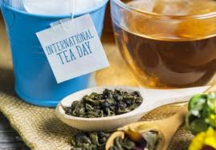
International Tea Day brews onto our calendars each May 21. Today celebrates the cultural, economic, and health significance of the world's most consumed beverage (after water) while promoting sustainable production and rural livelihoods.

Tea is a beverage made from the Camellia sinesis plant. Tea is the world's most consumed drink, after water.

Tea production and processing constitutes a main source of livelihoods for millions of families in developing countries and is the main means of subsistence for millions of poor families, who live in a number of least developed countries.

The tea industry is a main source of income and export revenues for some of the poorest countries and, as a labour-intensive sector, provides jobs, especially in remote and economically disadvantaged areas. Tea can play a significant role in rural development, poverty reduction and food security in developing countries, being one of the most important cash crops.

Tea consumption can bring health benefits and wellness due to the beverage's anti-inflammatory, antioxidant and weight loss effects. It also has cultural significance in many societies.

Australia boasts a vibrant tea industry, ranging from mass-market supermarket favourites to premium native-blended and single-origin loose leaves grown locally in the country's unique climate.

Australia produces around 1,000 tonnes of processed tea annually, satisfying a fraction of its total consumption. Cultivation is centred in two primary regions:
  • Far North Queensland: Produces over 90% of Australia's black tea. The largest estate is Nerada Tea, which harvests on the Atherton Tablelands, alongside the Nucifora Tea Estate and Madura Tea on the NSW/QLD border.
  • Northern New South Wales & Victoria: Small-scale specialty farms and boutique growers (e.g., Two Rivers) produce black, green, and oolong teas.
Tea Day is celebrated by tea lovers and heavily coincides with the Cancer Council Australia's Biggest Morning Tea, which encourages Australians to host tea gatherings to raise funds for cancer research.

Everyone is encouraged to celebrate or get involved locally in especially raising funds for much needed research:
  • Host or Join a Morning Tea: Register to host an official Australia's Biggest Morning Tea event anytime throughout May or June at your home, workplace, or local park to raise funds for cancer research.
  • Local Retailers & Events: Check specialized local tea houses—such as The Tea Centre—which often highlight unique blends and sustainability practices during this season.
  • Learn and Explore: The Twinkl International Tea Day Event Guide provides cross-curricular activities and learning resources focused on the history, fair trade, and global impact of tea production.
And all the while, drinking tea is good for us.

In the most recent dietary guidelines, the Nutrition Committee of the AHA recommended that individuals consume a diet rich in fruits and vegetables to reduce the risk for cardiovascular disease. Such a diet includes green and black tea.

Drinking tea offers a wide array of health benefits, primarily driven by its rich antioxidant and anti-inflammatory properties. It supports heart health, aids hydration, provides focused energy, and may lower the risk of chronic diseases.

The primary health benefits may also include:
  • Packed with Antioxidants: Teas contain polyphenols (like catechins and flavonoids) that combat cellular damage and lower inflammation.
  • Heart Health: Regular consumption is associated with improved blood pressure, lower LDL cholesterol, and a reduced risk of stroke.
  • Focused Energy: Tea contains L-theanine, an amino acid that pairs with caffeine to provide a steady, jitter-free energy boost and improved mental focus..
  • Weight Management: Unsweetened tea is calorie-free and can help support metabolism and body fat reduction.
  • Bone & Dental Health: Research suggests tea can help protect teeth enamel naturally and may lead to higher bone mineral density
Then remains the question: Does it matter whether you drink tea from a pot or from a tea bag? Do you jiggle or not?

The answer always goes to personal choice: Use tea bags for a quick cup on the go, or use a pot when you have time to enjoy the ritual, or if you are serving multiple people. Both tea drinking methods are winners!

Please pass me the milk and sugar?


Fun Facts about Tea:

  • Unlike coffee and wine, which are made with different kinds of beans and grapes, all tea comes from the same plant. Thousands of very different tea flavours are made by rolling, oxidizing, and handling your tea leaves in various ways after harvesting. Oolong tea, black tea, white tea, green tea, and pu-erh tea are all made from the Camellia sinensis plant.
  • It takes 2000 little tea leaves to make just one pound of tea - or 200 to 250 cups of tea. 100 million cups of tea are consumed every day, which comes out to about 36 billion a year. This is 288-365 trillion individual tea leaves a year! WOW!!
  • British aristocrat and Prime Minister Charles Grey was gifted tea that was infused with bergamot oil. After asking merchants to recreate it, the tea was named “Earl Grey
  • Herbal "teas" aren't real teas: Technically, herbal teas (like chamomile or peppermint) are just plant infusions. Since they do not come from the Camellia sinensis plant, experts classify them as tisanes.
  • Reading the leaves: The ancient and quirky art of fortune-telling by reading the leftover wet leaves at the bottom of a teacup is called tasseography.


"No matter what is happening in your life, you always offer tea"

"Rainy days should be spent at home with a cup of tea and a good book"

"A true warrior, like tea, shows his strength in hot water"

"Come, let us have some tea and continue to talk about happy things."


1779312109372.png


1779312123444.png


1779312136686.png


1779312151562.png
 
International Tea Day brews onto our calendars each May 21. Today celebrates the cultural, economic, and health significance of the world's most consumed beverage (after water) while promoting sustainable production and rural livelihoods.

Tea is a beverage made from the Camellia sinesis plant. Tea is the world's most consumed drink, after water.

Tea production and processing constitutes a main source of livelihoods for millions of families in developing countries and is the main means of subsistence for millions of poor families, who live in a number of least developed countries.

The tea industry is a main source of income and export revenues for some of the poorest countries and, as a labour-intensive sector, provides jobs, especially in remote and economically disadvantaged areas. Tea can play a significant role in rural development, poverty reduction and food security in developing countries, being one of the most important cash crops.

Tea consumption can bring health benefits and wellness due to the beverage's anti-inflammatory, antioxidant and weight loss effects. It also has cultural significance in many societies.

Australia boasts a vibrant tea industry, ranging from mass-market supermarket favourites to premium native-blended and single-origin loose leaves grown locally in the country's unique climate.

Australia produces around 1,000 tonnes of processed tea annually, satisfying a fraction of its total consumption. Cultivation is centred in two primary regions:
  • Far North Queensland: Produces over 90% of Australia's black tea. The largest estate is Nerada Tea, which harvests on the Atherton Tablelands, alongside the Nucifora Tea Estate and Madura Tea on the NSW/QLD border.
  • Northern New South Wales & Victoria: Small-scale specialty farms and boutique growers (e.g., Two Rivers) produce black, green, and oolong teas.
Tea Day is celebrated by tea lovers and heavily coincides with the Cancer Council Australia's Biggest Morning Tea, which encourages Australians to host tea gatherings to raise funds for cancer research.

Everyone is encouraged to celebrate or get involved locally in especially raising funds for much needed research:
  • Host or Join a Morning Tea: Register to host an official Australia's Biggest Morning Tea event anytime throughout May or June at your home, workplace, or local park to raise funds for cancer research.
  • Local Retailers & Events: Check specialized local tea houses—such as The Tea Centre—which often highlight unique blends and sustainability practices during this season.
  • Learn and Explore: The Twinkl International Tea Day Event Guide provides cross-curricular activities and learning resources focused on the history, fair trade, and global impact of tea production.
And all the while, drinking tea is good for us.

In the most recent dietary guidelines, the Nutrition Committee of the AHA recommended that individuals consume a diet rich in fruits and vegetables to reduce the risk for cardiovascular disease. Such a diet includes green and black tea.

Drinking tea offers a wide array of health benefits, primarily driven by its rich antioxidant and anti-inflammatory properties. It supports heart health, aids hydration, provides focused energy, and may lower the risk of chronic diseases.

The primary health benefits may also include:
  • Packed with Antioxidants: Teas contain polyphenols (like catechins and flavonoids) that combat cellular damage and lower inflammation.
  • Heart Health: Regular consumption is associated with improved blood pressure, lower LDL cholesterol, and a reduced risk of stroke.
  • Focused Energy: Tea contains L-theanine, an amino acid that pairs with caffeine to provide a steady, jitter-free energy boost and improved mental focus..
  • Weight Management: Unsweetened tea is calorie-free and can help support metabolism and body fat reduction.
  • Bone & Dental Health: Research suggests tea can help protect teeth enamel naturally and may lead to higher bone mineral density
Then remains the question: Does it matter whether you drink tea from a pot or from a tea bag? Do you jiggle or not?

The answer always goes to personal choice: Use tea bags for a quick cup on the go, or use a pot when you have time to enjoy the ritual, or if you are serving multiple people. Both tea drinking methods are winners!

Please pass me the milk and sugar?


Fun Facts about Tea:

  • Unlike coffee and wine, which are made with different kinds of beans and grapes, all tea comes from the same plant. Thousands of very different tea flavours are made by rolling, oxidizing, and handling your tea leaves in various ways after harvesting. Oolong tea, black tea, white tea, green tea, and pu-erh tea are all made from the Camellia sinensis plant.
  • It takes 2000 little tea leaves to make just one pound of tea - or 200 to 250 cups of tea. 100 million cups of tea are consumed every day, which comes out to about 36 billion a year. This is 288-365 trillion individual tea leaves a year! WOW!!
  • British aristocrat and Prime Minister Charles Grey was gifted tea that was infused with bergamot oil. After asking merchants to recreate it, the tea was named “Earl Grey
  • Herbal "teas" aren't real teas: Technically, herbal teas (like chamomile or peppermint) are just plant infusions. Since they do not come from the Camellia sinensis plant, experts classify them as tisanes.
  • Reading the leaves: The ancient and quirky art of fortune-telling by reading the leftover wet leaves at the bottom of a teacup is called tasseography.


"No matter what is happening in your life, you always offer tea"

"Rainy days should be spent at home with a cup of tea and a good book"

"A true warrior, like tea, shows his strength in hot water"

"Come, let us have some tea and continue to talk about happy things."


View attachment 37925


View attachment 37926


View attachment 37927


View attachment 37928

So many excellent teas around,however tea bags are the dregs of what good tea should be even if it is very convenient.Good loose leaf tea is what i prefer to drink although i do have to make it myself in a pot (Tea Leaves supply great quality and varied tea as does The Tea Centre,both online and will deliver to you).
 
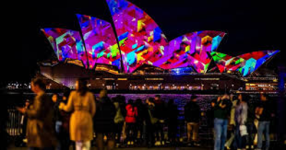
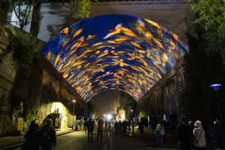
Vivid Sydney is a dazzling celebration that transforms the city into a vibrant playground of lights, music, and creativity. And it's on now!

This city-wide extravaganza extends between May 22 and June 13.

For weeks, iconic landmarks and urban spaces glow with stunning light installations and 3D projections, captivating both locals and tourists. This festival draws millions of visitors each year, offering an enchanting experience that highlights Sydney’s beauty and creativity at night.

From breathtaking visual displays to mesmerizing performances, Vivid Sydney truly brings the city to life, showcasing its innovative spirit most spectacularly!

Transforming Sydney for 23 days and nights, in 2026 for its 16th year, Vivid Sydney will fuse art, innovation and technology in collaboration with some of the most boundary-pushing artists, musicians, thinkers and culinary experts of our time.

Vivid Sydney is owned, managed and produced by Destination NSW, the NSW Government's tourism and major events agency.

Vivid Light transforms Sydney’s streets, parks and buildings into a wonderland. Easier to explore than ever, this year’s Vivid Light Walk is an unbroken 6.5km of art, transforming Circular Quay and The Rocks, Barangaroo and Darling Harbour. Pushing creative and technological boundaries, the Vivid Light Walk spans large-scale projections, interactive installations, and cutting-edge laser and digital art.

Vivid Music delivers an electrifying lineup of global and homegrown talent, from intimate gigs to high-energy performances.

New this year to Vivid Sydney, Vivid Minds is where Art, Performance and Ideas collide. Expanding upon and re-imagining the previous Ideas programming, Vivid Minds complements talks with festival-first art-forms and events, including invigorating theatrical spectacles and immersive experiences.

A feast for the senses, Vivid Food brings together world-leading chefs in celebration of NSW’s dining scene and produce, as well as the stories, flavours and cultures behind every dish.

Go beyond in 2026 with Vivid Sydney, as we expand our horizons with new artistic genres and forms, in an arts program full of invigorating festival firsts.

We’re offered a range of curated experiences and great deals to enhance your Vivid Sydney experience, from harbour cruises and activities to Sydney dining and accommodation, via the Uber Eats app, as Vivid Sydney Official Partner Uber shines a light on great Dine Out deals during the festival.

Spectacular locations this year include, Barangaroo, Carriageworks, Circular Quay and The Rocks, Darling Harbour, Sydney CBD and the Sydney Opera House.

Large crowds are expected to explore the city and surrounds over the 23 nights of the festival. A little planning can make your Vivid Sydney journey a moment to remember.

Public transport is the best way to get around during Vivid Sydney. Trains and buses run frequently to the city. If you’re catching the bus, plan ahead as services to and from the city will be using different routes and stops while roads are closed between 3pm-1am.

Travel on public transport is not free during Vivid Sydney. You’ll need to use an Opal card or contactless payment method when travelling on public transport. The Transport for NSW website features trip planners with maps and journey details.
Otherwise, all details about this event can be readily checked via their website:

https://www.vividsydney.com/


Fun Facts about Vivid Sydney:

  • Vivid Sydney is the Southern Hemisphere's largest festival of light, music, and ideas. Launched in 2009, this annual winter event transforms the city’s skyline, architecture, and walkways into a massive, immersive canvas.
  • The festival consistently draws massive numbers, with its biggest year on record pulling in over 3.28 million attendees over its 23-day run
  • Vivid Sydney has embraced cutting-edge aerial technology. The highly popular "Written in the Stars" drone shows featured coordinated swarms of over 1,000 drones painting massive 3D animations in the night sky over Sydney Harbour
  • Transforming the Sydney Opera House into a glowing piece of digital art takes immense effort. Instead of physical paint, the stunning visualizations require specialized, high-powered projectors, sometimes operating with up to 100 times the brightness of a standard commercial cinema projector
  • Over 75% of the Vivid Sydney festival program is entirely free to explore, meaning the only tickets you'll ever need to budget for are specialized events like Vivid Music gigs, culinary experiences, or ticketed immersive exhibitions like Wonderverse at the Australian National Maritime Museum
  • It takes 5.2 kilometres of network cable (fibre and Ethernet) to light up the Sydney Harbour Bridge and the city during the event. That’s almost five times the length of the bridge.


"Sydney doesn't just turn on the lights; it turns on the imagination"

"Every winter, the Harbour City flips the switch on the ordinary"

"Sydney is lit... literally. My eyes hurt, but my Instagram has never looked better”

“Every corner, a new interactive glow”


1779399788479.png


1779399802390.png


1779399820622.png


1779399834949.png
 
Back
Top