International Tea Day brews onto our calendars each May 21. Today celebrates the cultural, economic, and health significance of the world's most consumed beverage (after water) while promoting sustainable production and rural livelihoods.
Tea is a beverage made from the Camellia sinesis plant. Tea is the world's most consumed drink, after water.
Tea production and processing constitutes a main source of livelihoods for millions of families in developing countries and is the main means of subsistence for millions of poor families, who live in a number of least developed countries.
The tea industry is a main source of income and export revenues for some of the poorest countries and, as a labour-intensive sector, provides jobs, especially in remote and economically disadvantaged areas. Tea can play a significant role in rural development, poverty reduction and food security in developing countries, being one of the most important cash crops.
Tea consumption can bring health benefits and wellness due to the beverage's anti-inflammatory, antioxidant and weight loss effects. It also has cultural significance in many societies.
Australia boasts a vibrant tea industry, ranging from mass-market supermarket favourites to premium native-blended and single-origin loose leaves grown locally in the country's unique climate.
Australia produces around 1,000 tonnes of processed tea annually, satisfying a fraction of its total consumption. Cultivation is centred in two primary regions:
Everyone is encouraged to celebrate or get involved locally in especially raising funds for much needed research:
In the most recent dietary guidelines, the Nutrition Committee of the AHA recommended that individuals consume a diet rich in fruits and vegetables to reduce the risk for cardiovascular disease. Such a diet includes green and black tea.
Drinking tea offers a wide array of health benefits, primarily driven by its rich antioxidant and anti-inflammatory properties. It supports heart health, aids hydration, provides focused energy, and may lower the risk of chronic diseases.
The primary health benefits may also include:
The answer always goes to personal choice: Use tea bags for a quick cup on the go, or use a pot when you have time to enjoy the ritual, or if you are serving multiple people. Both tea drinking methods are winners!
Please pass me the milk and sugar?
Fun Facts about Tea:
"No matter what is happening in your life, you always offer tea"
"Rainy days should be spent at home with a cup of tea and a good book"
"A true warrior, like tea, shows his strength in hot water"
"Come, let us have some tea and continue to talk about happy things."
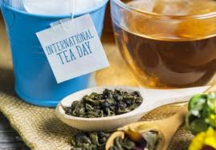



Tea is a beverage made from the Camellia sinesis plant. Tea is the world's most consumed drink, after water.
Tea production and processing constitutes a main source of livelihoods for millions of families in developing countries and is the main means of subsistence for millions of poor families, who live in a number of least developed countries.
The tea industry is a main source of income and export revenues for some of the poorest countries and, as a labour-intensive sector, provides jobs, especially in remote and economically disadvantaged areas. Tea can play a significant role in rural development, poverty reduction and food security in developing countries, being one of the most important cash crops.
Tea consumption can bring health benefits and wellness due to the beverage's anti-inflammatory, antioxidant and weight loss effects. It also has cultural significance in many societies.
Australia boasts a vibrant tea industry, ranging from mass-market supermarket favourites to premium native-blended and single-origin loose leaves grown locally in the country's unique climate.
Australia produces around 1,000 tonnes of processed tea annually, satisfying a fraction of its total consumption. Cultivation is centred in two primary regions:
- Far North Queensland: Produces over 90% of Australia's black tea. The largest estate is Nerada Tea, which harvests on the Atherton Tablelands, alongside the Nucifora Tea Estate and Madura Tea on the NSW/QLD border.
- Northern New South Wales & Victoria: Small-scale specialty farms and boutique growers (e.g., Two Rivers) produce black, green, and oolong teas.
Everyone is encouraged to celebrate or get involved locally in especially raising funds for much needed research:
- Host or Join a Morning Tea: Register to host an official Australia's Biggest Morning Tea event anytime throughout May or June at your home, workplace, or local park to raise funds for cancer research.
- Local Retailers & Events: Check specialized local tea houses—such as The Tea Centre—which often highlight unique blends and sustainability practices during this season.
- Learn and Explore: The Twinkl International Tea Day Event Guide provides cross-curricular activities and learning resources focused on the history, fair trade, and global impact of tea production.
In the most recent dietary guidelines, the Nutrition Committee of the AHA recommended that individuals consume a diet rich in fruits and vegetables to reduce the risk for cardiovascular disease. Such a diet includes green and black tea.
Drinking tea offers a wide array of health benefits, primarily driven by its rich antioxidant and anti-inflammatory properties. It supports heart health, aids hydration, provides focused energy, and may lower the risk of chronic diseases.
The primary health benefits may also include:
- Packed with Antioxidants: Teas contain polyphenols (like catechins and flavonoids) that combat cellular damage and lower inflammation.
- Heart Health: Regular consumption is associated with improved blood pressure, lower LDL cholesterol, and a reduced risk of stroke.
- Focused Energy: Tea contains L-theanine, an amino acid that pairs with caffeine to provide a steady, jitter-free energy boost and improved mental focus..
- Weight Management: Unsweetened tea is calorie-free and can help support metabolism and body fat reduction.
- Bone & Dental Health: Research suggests tea can help protect teeth enamel naturally and may lead to higher bone mineral density
The answer always goes to personal choice: Use tea bags for a quick cup on the go, or use a pot when you have time to enjoy the ritual, or if you are serving multiple people. Both tea drinking methods are winners!
Please pass me the milk and sugar?
Fun Facts about Tea:
- Unlike coffee and wine, which are made with different kinds of beans and grapes, all tea comes from the same plant. Thousands of very different tea flavours are made by rolling, oxidizing, and handling your tea leaves in various ways after harvesting. Oolong tea, black tea, white tea, green tea, and pu-erh tea are all made from the Camellia sinensis plant.
- It takes 2000 little tea leaves to make just one pound of tea - or 200 to 250 cups of tea. 100 million cups of tea are consumed every day, which comes out to about 36 billion a year. This is 288-365 trillion individual tea leaves a year! WOW!!
- British aristocrat and Prime Minister Charles Grey was gifted tea that was infused with bergamot oil. After asking merchants to recreate it, the tea was named “Earl Grey”
- Herbal "teas" aren't real teas: Technically, herbal teas (like chamomile or peppermint) are just plant infusions. Since they do not come from the Camellia sinensis plant, experts classify them as tisanes.
- Reading the leaves: The ancient and quirky art of fortune-telling by reading the leftover wet leaves at the bottom of a teacup is called tasseography.
"No matter what is happening in your life, you always offer tea"
"Rainy days should be spent at home with a cup of tea and a good book"
"A true warrior, like tea, shows his strength in hot water"
"Come, let us have some tea and continue to talk about happy things."