happy_tiger
Well-known member
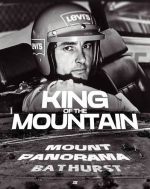
Peter Brock passed away 20 years ago today
King of the Mountain
King of the Mountain
Follow along with the video below to see how to install our site as a web app on your home screen.
Note: This feature may not be available in some browsers.
Peter Brock passed away 20 years ago today
King of the Mountain



I went to a car accessory shop opening once and he was there signing “one item” person. (Before selfies were a thing). So I stood in line and everyone is asking him stupid shite like what’s your fav colour, and he is signing and barely looks up as they move along. Then I get there and say “G’day Pete, do ya still get a woody when ya get sideways?” And he shoots a look at me and spends the next 5 minutes telling me how sick it is getting sideways at a 10000 clicks and reining that beast in. Then signs everything I had in my arms plus the shirt and hat I was wearing. You could tell he still loved it and it gives me goosebumps telling you about it.Peter Brock passed away 20 years ago today
King of the Mountain
Champion @Buttface - you are (without doubt) the WTF outright legend when it comes to getting hats signed! 😉I went to a car accessory shop opening once and he was there signing “one item” person. (Before selfies were a thing). So I stood in line and everyone is asking him stupid shite like what’s your fav colour, and he is signing and barely looks up as they move along. Then I get there and say “G’day Pete, do ya still get a woody when ya get sideways?” And he shoots a look at me and spends the next 5 minutes telling me how sick it is getting sideways at a 10000 clicks and reining that beast in. Then signs everything I had in my arms plus the shirt and hat I was wearing. You could tell he still loved it and it gives me goosebumps telling you about it.
Thanks for the memories Brocky.

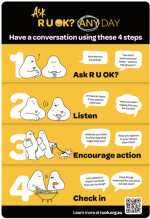


Finished!Our Wests Tigers Forum superstar @Suzie-Q is walking today to raise money for suicide prevention. The details are in the Mental Health thread in the general forum. If you would like to help by making a donation, the details & link to donate are in the post.
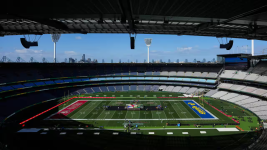

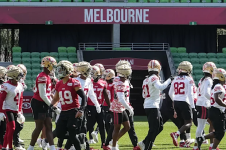
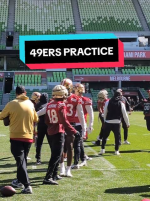


Melbourne did an excellent job, and put together a world class show.Melbourne looked lit up for NFL
They did so well
Good turn out through the week
Should be a good game today

Remembering the 9/11 victims today.
Still remember the day vividly. Got home from a night out and saw 2 planes crashing into the twin towers. Didn't think it was real.
Victims who survived are now getting cancer due to toxic dust from the buildings collapsing.




Well done, Suzie - That pic reminds me of Sydney 2000 and the Ambush Marketing campaign by Tooheys (The official Olympics sponsor was Carlton). The ad used the Sydney Marathon event's Blue Line as a detour into the driveway & backyard of a suburban home. So the runners were shown making their way around the Hills Hoist whilst the family, mates & neighbours looked on as they sucked on a Tooheys or Two. 🍻 🍻 🍻 🏆 🏆 🏆 🐯 🐯 🐯Finished!
I was working for Tooheys at the time.Well done, Suzie - That pic reminds me of Sydney 2000 and the Ambush Marketing campaign by Tooheys (The official Olympics sponsor was Carlton). The ad used the Sydney Marathon event's Blue Line as a detour into the driveway & backyard of a suburban home. So the runners were shown making their way around the Hills Hoist whilst the family, mates & neighbours looked on as they sucked on a Tooheys or Two. 🍻 🍻 🍻 🏆 🏆 🏆 🐯 🐯 🐯