31 December
National Champagne Day is celebrated on December 31 each year (on perhaps the most apt date ever, considering what day it is, DUH! New Years Eve!)
Pop open a bottle of bubbly to add some sparkle to this momentous day - it’s just the right and proper thing to do.
This amazing bubbly beverage has made its way into the world stage and is commonly thought of as the pinnacle of drinks to be brought to an important event or celebration.
Whether it’s a graduation, a retirement, a wedding, or a job promotion, or even New Years Eve fun times, champagne represents all that is special to any event.
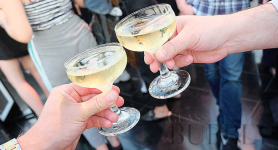
Whether buying a bottle to take home or ordering some at a favourite fancy restaurant, this is the day to drink champagne! It's about elevating everyday moments with quality bubbles, embracing tradition, and discovering new flavours.
Fun Facts about champagne:
A typical bottle of true champagne contains almost 50 million bubbles. No wonder its affectionate nickname is “bubbly”.
A flying cork from a bottle of champagne can reach speeds up to 64 kilometres per hour. Be careful with that cork!
Champagne can be very expensive. In fact, he most expensive bottle of champagne ever sold was a
Château Avenue Foch 2017 magnum for $2.5 million in 2022.
While many people think the martini was James Bond’s favourite drink, champagne has made an appearance in the Bond films more than 35 times, many of these times revealing the Bollinger label.
- Sugar cubes in the champagne flute before you pour in the champers: It's a nod to an old Italian wives' tale that dropping sugar cubes into bubbly wards off bad luck and keeps the devil away, as the devil doesn't want to see you happy, so a little extra sweetness keeps him at bay. This “tradition” is common at weddings’ toasts, and called a “Classic Champagne Cocktail,” where it consists of a single demerara sugar cube, soaked in angostura bitters, submerged in a shot of cognac and topped with champagne.
- Brut literally means “dry” in French, but when it comes to champagne, it's all about sugar levels. When you see “brut” on a bottle, you're getting a sparkling wine that's low in sugar, making it crisp, refreshing, and perfect for those who like a more balanced, not-too-sweet sip.
Perlage: a French term that translates to “the formation of pearls,” is the name for bubbles produced by the finest champagne.
The expressions of luminous, twinkling, radiant, shimmering or sparkling do not necessarily represent your other half – rather these words describe the clarity (or translucence) of the Champagne to also include transparent, limpid and crystalline.
Breaking a
champagne bottle on a ship's bow is a long-standing maritime tradition, evolving from ancient sacrifices to bless a vessel for good fortune and safe voyages, a public celebration marking its launch, and now often a PR event, where failure to break the bottle is considered bad luck.
Fancy a glass of "bubbly," "fizz," or "champers?" The answer is always “Yes, please.”
“Fizz the season to be jolly!”
“I may not speak French but I am fluent in champagne.”
"Too much of anything is bad, but too much Champagne is just right."
View attachment 31857
View attachment 31858
View attachment 31860
View attachment 31859