World Cider Day refreshes our calendars each June 3.
Made from crisp and juicy apples, cider is a beloved drink that has fans literally all over the world and, in some places, it has even developed a bit of a cult following.
If you were one of those kids who devoured an apple juice at recess (and did a lunchbox swap with your best friend so you could drink theirs) then chances are you’ve probably grown up to be a cider fan.
Cider is a tasty drink usually made from apple juice. It can be enjoyed by many people around the world! In places like Europe and Oceania, cider is a drink that contains alcohol. It's made from apple juice using a special process called fermentation. This is when tiny living things (like yeast) turn the sugar in the juice into alcohol.
From the freshly pressed non-alcoholic variety to the hand-crafted hard ciders that offer a huge array of flavours, World Cider Day is meant to appreciate them all!
From apples and pears to strawberries and elderflower, cider available here in Australia is made from a wide and wondrous selection of fruits. It’s also made in a range of different styles, from sweet and semi-sweet to dry and semi-dry.
Australian apple cider is a popular but niche beverage, accounting for about 4% of the total alcohol market. While mass-market "facsimile" ciders (made from imported concentrates) dominate volume sales, a strong craft movement is growing. Consumers increasingly favour premium, 100% Australian-grown heritage apple ciders.
Cider is available in bottle form from most pubs and bottle shops. Larger pubs and fancy pubs will even have one or two on tap. Mostly apple, but some pear and other types are available. In Tasmania, cider is overtly popular, like it is in the UK, it’s everywhere. It is widely consumed. Tasmania is famous for its apples; and Taswegians love their cider too..
Meanwhile, back on the mainland, the main brands are Somersby, Pure Blonde, Mercury (which comes in very strong 7–10% versions) , 5 seeds, Bulmers and Strongbow. There are more boutique local brands like Hillbilly cider (a Sydney variety from Bilpin).
The "Craft" Shift: While commercial cider experienced a dip in mass-market sales over recent years, consumer preference has shifted towards artisan, locally sourced ciders.
Flavor Profile: Hard apple ciders are the dominant format, but sweet and fruit-infused variants remain highly sought after by casual drinkers and younger demographics during the summer.
Label Integrity: Driven by Cider Australia, the peak industry body, consumers are increasingly demanding transparency. Many seek out authentic ciders made from 100% freshly crushed apples over diluted concentrate products.
The popularity of Australian cider is heavily tied to the country's renowned apple-growing regions. Top artisan and commercial producers rely on orchards located in:
Drinking cider remains popular in Australia with a broad mainstream base for sweeter, ready-to-drink styles and a vibrant, growing craft sector earning serious consumer and trade attention. While cider has been on the market for decades, it was never a serious contender for Australia’s top drop - until now. Our warm climate and increasing desire to find an alternative to heavy alcohol in the summer has seen cider rise in popularity over the past five years.
Today’s cider drinkers want more diversity – not just the traditional styles modelled on English cider. So, the estimated 150-or-so cider makers who have sprung up across Australia in the past two decades – are responded by innovating. In recent years, they’ve experimented with more modern styles, and Australia offers an ever-increasing range of ciders, including a low-alcohol options and a “watermelon fizz”.
The bottom line is always personal preference.
And if your go-to is a refreshing apple cider – Go For It!
Fun Facts about Cider:
"You can't make cider without squeezing a few apples"
“Sipping through life, one apple at a time”
“Life’s short - sip the cider”
“I came, I saw, I cidered”
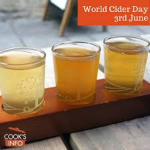
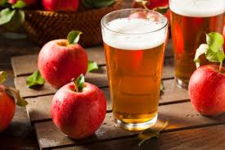
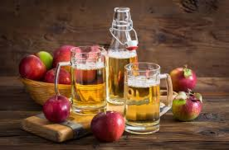
Made from crisp and juicy apples, cider is a beloved drink that has fans literally all over the world and, in some places, it has even developed a bit of a cult following.
If you were one of those kids who devoured an apple juice at recess (and did a lunchbox swap with your best friend so you could drink theirs) then chances are you’ve probably grown up to be a cider fan.
Cider is a tasty drink usually made from apple juice. It can be enjoyed by many people around the world! In places like Europe and Oceania, cider is a drink that contains alcohol. It's made from apple juice using a special process called fermentation. This is when tiny living things (like yeast) turn the sugar in the juice into alcohol.
From the freshly pressed non-alcoholic variety to the hand-crafted hard ciders that offer a huge array of flavours, World Cider Day is meant to appreciate them all!
From apples and pears to strawberries and elderflower, cider available here in Australia is made from a wide and wondrous selection of fruits. It’s also made in a range of different styles, from sweet and semi-sweet to dry and semi-dry.
Australian apple cider is a popular but niche beverage, accounting for about 4% of the total alcohol market. While mass-market "facsimile" ciders (made from imported concentrates) dominate volume sales, a strong craft movement is growing. Consumers increasingly favour premium, 100% Australian-grown heritage apple ciders.
Cider is available in bottle form from most pubs and bottle shops. Larger pubs and fancy pubs will even have one or two on tap. Mostly apple, but some pear and other types are available. In Tasmania, cider is overtly popular, like it is in the UK, it’s everywhere. It is widely consumed. Tasmania is famous for its apples; and Taswegians love their cider too..
Meanwhile, back on the mainland, the main brands are Somersby, Pure Blonde, Mercury (which comes in very strong 7–10% versions) , 5 seeds, Bulmers and Strongbow. There are more boutique local brands like Hillbilly cider (a Sydney variety from Bilpin).
The "Craft" Shift: While commercial cider experienced a dip in mass-market sales over recent years, consumer preference has shifted towards artisan, locally sourced ciders.
Flavor Profile: Hard apple ciders are the dominant format, but sweet and fruit-infused variants remain highly sought after by casual drinkers and younger demographics during the summer.
Label Integrity: Driven by Cider Australia, the peak industry body, consumers are increasingly demanding transparency. Many seek out authentic ciders made from 100% freshly crushed apples over diluted concentrate products.
The popularity of Australian cider is heavily tied to the country's renowned apple-growing regions. Top artisan and commercial producers rely on orchards located in:
- Tasmania: Known for high-quality heritage varieties (e.g., Willie Smith's Organic Cider).
- Adelaide Hills (South Australia): Famous for boutique cool-climate ciders.
- Gippsland and Yarra Valley (Victoria): Known for traditional farmhouse and craft styles.
- Mass-Market: Dominated by brands like Strongbow, Somersby, and 5 Seeds.
- Premium/Craft: Independent leaders in the space include Napoleone Cider in the Yarra Valley and Hillbilly Cider in the Blue Mountains.
Drinking cider remains popular in Australia with a broad mainstream base for sweeter, ready-to-drink styles and a vibrant, growing craft sector earning serious consumer and trade attention. While cider has been on the market for decades, it was never a serious contender for Australia’s top drop - until now. Our warm climate and increasing desire to find an alternative to heavy alcohol in the summer has seen cider rise in popularity over the past five years.
Today’s cider drinkers want more diversity – not just the traditional styles modelled on English cider. So, the estimated 150-or-so cider makers who have sprung up across Australia in the past two decades – are responded by innovating. In recent years, they’ve experimented with more modern styles, and Australia offers an ever-increasing range of ciders, including a low-alcohol options and a “watermelon fizz”.
The bottom line is always personal preference.
And if your go-to is a refreshing apple cider – Go For It!
Fun Facts about Cider:
- You need about 36 apples to make just one gallon of apple cider!
- Some of the best apples for making cider are called "spitters". They taste so sour or bitter that if you take a bite, you'll want to spit them out right away, but they add amazing flavour to cider!
- Real sparkling cider gets its bubbles naturally from a little bit of fermentation. But sometimes, you'll see "sparkling apple juice" sold as "sparkling cider." This kind is usually filtered, pasteurized, and has bubbles added artificially.
- In Australia, cider makers tend to blend varieties of table apples, which leads to their ciders varying in sweetness. Some producers also use wild ferments or secondary fermentation to layer in more flavour.
"You can't make cider without squeezing a few apples"
“Sipping through life, one apple at a time”
“Life’s short - sip the cider”
“I came, I saw, I cidered”