And today is .......

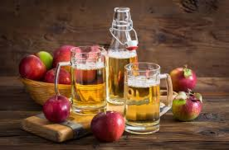
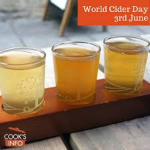
World Cider Day refreshes our calendars each June 3.

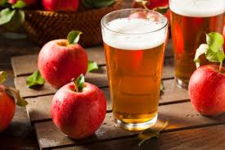
Made from crisp and juicy apples, cider is a beloved drink that has fans literally all over the world and, in some places, it has even developed a bit of a cult following.

If you were one of those kids who devoured an apple juice at recess (and did a lunchbox swap with your best friend so you could drink theirs) then chances are you’ve probably grown up to be a cider fan.

Cider is a tasty drink usually made from apple juice. It can be enjoyed by many people around the world! In places like Europe and Oceania, cider is a drink that contains alcohol. It's made from apple juice using a special process called fermentation. This is when tiny living things (like yeast) turn the sugar in the juice into alcohol.

From the freshly pressed non-alcoholic variety to the hand-crafted hard ciders that offer a huge array of flavours, World Cider Day is meant to appreciate them all!

From apples and pears to strawberries and elderflower, cider available here in Australia is made from a wide and wondrous selection of fruits. It’s also made in a range of different styles, from sweet and semi-sweet to dry and semi-dry.

Australian apple cider is a popular but niche beverage, accounting for about 4% of the total alcohol market. While mass-market "facsimile" ciders (made from imported concentrates) dominate volume sales, a strong craft movement is growing. Consumers increasingly favour premium, 100% Australian-grown heritage apple ciders.

Cider is available in bottle form from most pubs and bottle shops. Larger pubs and fancy pubs will even have one or two on tap. Mostly apple, but some pear and other types are available. In Tasmania, cider is overtly popular, like it is in the UK, it’s everywhere. It is widely consumed. Tasmania is famous for its apples; and Taswegians love their cider too..

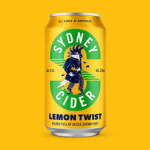
Meanwhile, back on the mainland, the main brands are Somersby, Pure Blonde, Mercury (which comes in very strong 7–10% versions) , 5 seeds, Bulmers and Strongbow. There are more boutique local brands like Hillbilly cider (a Sydney variety from Bilpin).

The "Craft" Shift: While commercial cider experienced a dip in mass-market sales over recent years, consumer preference has shifted towards artisan, locally sourced ciders.

Flavor Profile: Hard apple ciders are the dominant format, but sweet and fruit-infused variants remain highly sought after by casual drinkers and younger demographics during the summer.

Label Integrity: Driven by Cider Australia, the peak industry body, consumers are increasingly demanding transparency. Many seek out authentic ciders made from 100% freshly crushed apples over diluted concentrate products.

The popularity of Australian cider is heavily tied to the country's renowned apple-growing regions. Top artisan and commercial producers rely on orchards located in:
  • Tasmania: Known for high-quality heritage varieties (e.g., Willie Smith's Organic Cider).
  • Adelaide Hills (South Australia): Famous for boutique cool-climate ciders.
  • Gippsland and Yarra Valley (Victoria): Known for traditional farmhouse and craft styles.
The major brands of cider in OZ include:
  • Mass-Market: Dominated by brands like Strongbow, Somersby, and 5 Seeds.
  • Premium/Craft: Independent leaders in the space include Napoleone Cider in the Yarra Valley and Hillbilly Cider in the Blue Mountains.
Cider is one of the fastest growing alcohol categories in Australia, with the volume of cider available on the market increasing yearly.

Drinking cider remains popular in Australia with a broad mainstream base for sweeter, ready-to-drink styles and a vibrant, growing craft sector earning serious consumer and trade attention. While cider has been on the market for decades, it was never a serious contender for Australia’s top drop - until now. Our warm climate and increasing desire to find an alternative to heavy alcohol in the summer has seen cider rise in popularity over the past five years.

Today’s cider drinkers want more diversity – not just the traditional styles modelled on English cider. So, the estimated 150-or-so cider makers who have sprung up across Australia in the past two decades – are responded by innovating. In recent years, they’ve experimented with more modern styles, and Australia offers an ever-increasing range of ciders, including a low-alcohol options and a “watermelon fizz”.

The bottom line is always personal preference.
And if your go-to is a refreshing apple cider – Go For It!


Fun Facts about Cider:
  • You need about 36 apples to make just one gallon of apple cider!
  • Some of the best apples for making cider are called "spitters". They taste so sour or bitter that if you take a bite, you'll want to spit them out right away, but they add amazing flavour to cider!
  • Real sparkling cider gets its bubbles naturally from a little bit of fermentation. But sometimes, you'll see "sparkling apple juice" sold as "sparkling cider." This kind is usually filtered, pasteurized, and has bubbles added artificially.
  • In Australia, cider makers tend to blend varieties of table apples, which leads to their ciders varying in sweetness. Some producers also use wild ferments or secondary fermentation to layer in more flavour.


"You can't make cider without squeezing a few apples"

“Sipping through life, one apple at a time”

“Life’s short - sip the cider”

“I came, I saw, I cidered”


1780434649273.png


1780434666740.png


1780434682489.png


1780434702135.png
 
World Cider Day refreshes our calendars each June 3.

Made from crisp and juicy apples, cider is a beloved drink that has fans literally all over the world and, in some places, it has even developed a bit of a cult following.

If you were one of those kids who devoured an apple juice at recess (and did a lunchbox swap with your best friend so you could drink theirs) then chances are you’ve probably grown up to be a cider fan.

Cider is a tasty drink usually made from apple juice. It can be enjoyed by many people around the world! In places like Europe and Oceania, cider is a drink that contains alcohol. It's made from apple juice using a special process called fermentation. This is when tiny living things (like yeast) turn the sugar in the juice into alcohol.

From the freshly pressed non-alcoholic variety to the hand-crafted hard ciders that offer a huge array of flavours, World Cider Day is meant to appreciate them all!

From apples and pears to strawberries and elderflower, cider available here in Australia is made from a wide and wondrous selection of fruits. It’s also made in a range of different styles, from sweet and semi-sweet to dry and semi-dry.

Australian apple cider is a popular but niche beverage, accounting for about 4% of the total alcohol market. While mass-market "facsimile" ciders (made from imported concentrates) dominate volume sales, a strong craft movement is growing. Consumers increasingly favour premium, 100% Australian-grown heritage apple ciders.

Cider is available in bottle form from most pubs and bottle shops. Larger pubs and fancy pubs will even have one or two on tap. Mostly apple, but some pear and other types are available. In Tasmania, cider is overtly popular, like it is in the UK, it’s everywhere. It is widely consumed. Tasmania is famous for its apples; and Taswegians love their cider too..

Meanwhile, back on the mainland, the main brands are Somersby, Pure Blonde, Mercury (which comes in very strong 7–10% versions) , 5 seeds, Bulmers and Strongbow. There are more boutique local brands like Hillbilly cider (a Sydney variety from Bilpin).

The "Craft" Shift: While commercial cider experienced a dip in mass-market sales over recent years, consumer preference has shifted towards artisan, locally sourced ciders.

Flavor Profile: Hard apple ciders are the dominant format, but sweet and fruit-infused variants remain highly sought after by casual drinkers and younger demographics during the summer.

Label Integrity: Driven by Cider Australia, the peak industry body, consumers are increasingly demanding transparency. Many seek out authentic ciders made from 100% freshly crushed apples over diluted concentrate products.

The popularity of Australian cider is heavily tied to the country's renowned apple-growing regions. Top artisan and commercial producers rely on orchards located in:
  • Tasmania: Known for high-quality heritage varieties (e.g., Willie Smith's Organic Cider).
  • Adelaide Hills (South Australia): Famous for boutique cool-climate ciders.
  • Gippsland and Yarra Valley (Victoria): Known for traditional farmhouse and craft styles.
The major brands of cider in OZ include:
  • Mass-Market: Dominated by brands like Strongbow, Somersby, and 5 Seeds.
  • Premium/Craft: Independent leaders in the space include Napoleone Cider in the Yarra Valley and Hillbilly Cider in the Blue Mountains.
Cider is one of the fastest growing alcohol categories in Australia, with the volume of cider available on the market increasing yearly.

Drinking cider remains popular in Australia with a broad mainstream base for sweeter, ready-to-drink styles and a vibrant, growing craft sector earning serious consumer and trade attention. While cider has been on the market for decades, it was never a serious contender for Australia’s top drop - until now. Our warm climate and increasing desire to find an alternative to heavy alcohol in the summer has seen cider rise in popularity over the past five years.

Today’s cider drinkers want more diversity – not just the traditional styles modelled on English cider. So, the estimated 150-or-so cider makers who have sprung up across Australia in the past two decades – are responded by innovating. In recent years, they’ve experimented with more modern styles, and Australia offers an ever-increasing range of ciders, including a low-alcohol options and a “watermelon fizz”.

The bottom line is always personal preference.
And if your go-to is a refreshing apple cider – Go For It!


Fun Facts about Cider:
  • You need about 36 apples to make just one gallon of apple cider!
  • Some of the best apples for making cider are called "spitters". They taste so sour or bitter that if you take a bite, you'll want to spit them out right away, but they add amazing flavour to cider!
  • Real sparkling cider gets its bubbles naturally from a little bit of fermentation. But sometimes, you'll see "sparkling apple juice" sold as "sparkling cider." This kind is usually filtered, pasteurized, and has bubbles added artificially.
  • In Australia, cider makers tend to blend varieties of table apples, which leads to their ciders varying in sweetness. Some producers also use wild ferments or secondary fermentation to layer in more flavour.


"You can't make cider without squeezing a few apples"

“Sipping through life, one apple at a time”

“Life’s short - sip the cider”

“I came, I saw, I cidered”


View attachment 38362


View attachment 38363


View attachment 38364


View attachment 38365

I love DRY cider and to be honest i refuse to drink sweet cider despite it being the most popular.I can remember when i was in the UK during my holidays there in the early 70's and i developed a passion for dry scrumpy cider (not commercial often made in the pub or local area). Fantastic stuff.
 
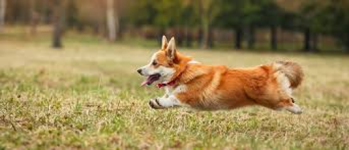
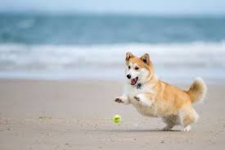
International Corgi Day barks onto our calendars each June 4. Today honours Pembroke Welsh Corgis, Cardigan Welsh Corgis, and corgi-mixes.

This amazing dog breed is popular for all sorts of reasons. Known as both loyal family companions and clever working dogs, they are recognized across the country for their friendly temperament and adaptability to Australian lifestyles, from inner-city living to rural properties.

They are quiet, reserved dogs – ideal for urban areas. They love to play, are very approachable, and always know how to cheer you up if you’re in a bad mood. They won’t stop pestering you until they see a nice big smile break across your face.

Corgis are incredibly popular because they pack the bold, energetic personality of a large herding dog into a highly manageable, pint-sized package. Their viral social media presence, famous royal association, and signature "sploot" (stretching their back legs out) continually capture the public's heart.

Their massive appeal stems from a mix of distinctive traits and lifestyle perks:
  • Irresistible Appearance: With their long bodies, oversized pointy ears, and expressive "smiling" faces, Corgis have undeniable visual charm.
  • For decades, they were synonymous with Queen Elizabeth II, bringing continuous mainstream visibility to the breed.
  • Highly Trainable Intelligence: Ranked highly among smart dog breeds, they are eager to please and easily motivated by food, making them great at obedience and agility.
  • Perfect Urban Size: They are sturdy and robust but short enough to fit comfortably in small apartments or easily ride in cars.
  • Big Dog Personality: Despite their short stature, they possess a confident, playful, and loyal temperament that makes them excellent watchdogs and family companions.
Despite being affectionate family dogs, they often form their strongest, most intense bond with one singular human in the household. They are herding dogs at heart and tend to view this chosen person as their primary pack leader or preferred companion.

By nature, corgis don't bite out of aggression, but they are famously "nippy" and mouthy puppies. Because they were bred as herding dogs, they have a natural instinct to chase and nip at moving objects like heels and ankles. Corgi puppies typically stop their intense, needle-toothed biting around 6 to 7 months of age, which coincides with the end of their teething phase.

Australians primarily keep the pointy-eared, tail-less (or long-tailed) Pembroke Welsh Corgi, though the larger, longer-tailed Cardigan Welsh Corgi is also popular. Because they were once bred as cattle herders, they are energetic and require daily exercise. Their moderate size (10–14 kg) makes them a manageable pet for varied spaces, from apartments to spacious homes but with their thick double coat, they require weekly brushing, as they shed year-round.

According to annual registration statistics from “Dogs Australia”, there are typically around 850 registered puppies annually (roughly 700 Pembrokes and 120 Cardigans).

The Pembroke Welsh Corgi is often more extroverted and playful, while the Cardigan Welsh Corgi may exhibit a slightly more reserved demeanour. Both breeds are intelligent and eager to please, making them highly trainable and excellent family pets that thrive on social interaction.

Loyal and friendly, the Corgi is an affectionate and active dog – who craves attention as well as both physical and mental stimulation. Outgoing dogs who get along well with familiar children, though are cautious of strangers. Known as a happy and playful dog, corgis can at times have a stubborn and independent streak. They are easy train and willing to learn, being of a working nature – though they are curious and inquisitive characters.

Great potential to be polite and sensible dogs, the Pembroke does make an excellent family pet. Loyal and obedient, the corgi is cautious of strangers though rarely shy. Bold dogs who are eager and willing to please, they are happiest when by your side or when being given a job to do. Clown like and attention seeking at times, they have a mind of their own yet a strong desire to be surrounded by people.

Want to cuddle? Need canine warmth? Corgis answer “Yes” to each demand any caring dog owner might have. Just be prepared to walk-the-walk; and come to the bark side - it’s going to be so worth it.


Fun Facts about Corgis:
  • Corgi, a.k.a. "Dwarf Dog" - In Welsh, “cor” means “dwarf” while “gi” is a form of the word “dog,” so their name literally translates to "dwarf dog,"
  • Two Distinct Breeds: The Pembroke Welsh Corgi (famous for having no tail) and the Cardigan Welsh Corgi (which features a long, fox-like tail) are entirely separate breeds.
  • Expert Herders: Despite their short legs, they were bred as herding dogs as early as the 10th century, using their low height to nip at the heels of cattle without getting kicked.
  • For such a small dog they have a loud bark. This came in handy when they were herding, as they used their loud bark to keep the cattle moving. In suburban homes, this “gift” becomes a welcome security measure.
  • They are actually very good swimmers despite their short legs.


"Short legs, big personality"

“Corgi hair, don’t care”

“Tail wagging so fast it’s a blur”

“Corgi cuddles heal all”


1780523760274.png


1780523782193.png


1780523799214.png


1780523820520.png
 
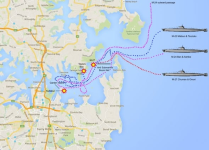
A service to commemorate the 84th anniversary of the attack on Sydney Harbour will be held on Friday 5 June 2026 at the Defence of Sydney Monument, North Head, Manly.

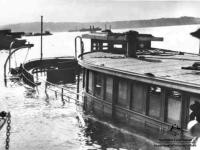
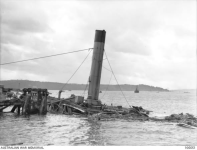
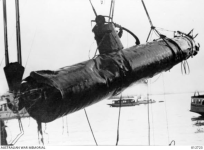
On the night of 31 May 1942, three Japanese midget submarines entered Sydney Harbour. Two were captured before causing damage, while the third torpedoed and sank the Royal Australian Navy depot ship Kuttabul.

Nineteen members of the Royal Australian Navy and two British sailors lost their lives in the attack. Several others were saved through the heroism and quick thinking of crewmates aboard Kuttabul.

The submarine responsible escaped Sydney Harbour, with its wreck only discovered off Sydney’s northern beaches in 2006.


https://rslnsw.org.au/events/defenc...40EnX18G5A5bm4TeDo_aem_JQdJGTgG-jsP8o5z0rIefw


1780607681114.png


1780607699781.png


1780607714125.png


1780607727131.png
 
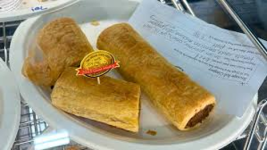
Sausage Roll Day flakes (of the crispy, buttery type) itself onto our calendars each June 5. Today honours the iconic combination of seasoned meat wrapped in flaky, golden puff pastry.

Sausage rolls are a beloved cultural staple in Australia, consistently ranking among the top five best-selling items in bakeries. They are deeply woven into everyday life - popular at sporting events, school tuck shops, and BBQs. Their massive popularity is defined by a few key elements:
  • The Classic: A standard Australian sausage roll consists of seasoned, savoury mince (typically beef, pork, or a blend) wrapped in layers of flaky, golden puff pastry.
  • The Sauce: Drizzling or dipping them in tomato sauce is considered a near-mandatory Australian tradition.
  • Awards & Recognition: The snack is taken seriously enough that major national competitions.
Sausage rolls in Australia have an iconic status. A mixture of seasoned meat wrapped in puff pastry, they are baked until crisp and golden. Perfect as a snack, lunchbox filler, or party food, they are loved by all generations. Their simplicity makes them a reliable choice, yet their flavour delivers, far beyond expectations.

These days, sausage rolls come in all kinds of styles. Some stick with the traditional beef or pork, while others feature lamb, chicken, or vegetarian fillings like mushrooms, lentils, and plant-based protein. From gourmet twists to bite-sized party rolls, there’s a version for just about everyone.

One of the best things about sausage rolls is how versatile they are. They work just as well as a quick lunch as they do on a party platter, as a weekend snack, or even a cheeky breakfast. It is no surprise that bakeries often sell thousands of them every week.

But they also carry a kind of nostalgia. For many people, sausage rolls bring back memories—school lunches, footy games, family road trips, or cosy afternoons with a warm drink. They are simple, satisfying, and somehow always hit the spot.

Although sausage rolls are often seen as a treat, they can definitely be part of a balanced diet, especially when they are made with care and quality ingredients.

A good sausage roll is a solid source of protein, thanks to the meat or plant-based filling. Protein helps keep you full, supports muscle health, and provides lasting energy. Some versions even include veggies or herbs that bring in extra nutrients. The pastry, while rich, supplies carbohydrates for quick energy. Pair it with a side salad or some fruit, and you’ve got yourself a satisfying and well-rounded meal.

Eating a hot sausage roll is a deeply satisfying sensory experience, defined by the collision of crisp, buttery pastry and savory seasoned meat. The contrast of textures and temperatures makes it one of the ultimate comfort foods.

The First Bite: You sink your teeth into the golden, flaky crust. The pastry shatters, showering crumbs onto your lap or plate, and releases a puff of steam.

The Inside: You immediately hit the rich, dense core of seasoned sausage mince. It is usually made of pork or beef, lightly spiced with herbs like sage, black pepper, or nutmeg. The meat is hot, savory, and tender, contrasting directly with the crunch of the outer shell.

The Sauce (The Finishing Touch): A proper sausage roll is almost always accompanied by a squirt of tomato sauce (ketchup). The sweet, tangy acidity of the sauce cuts through the heavy fat and richness of the pastry, tying the whole bite together.

The Aftermath: You are left with butter on your fingers, a trail of crumbs, and a feeling of comforting warmth. And maybe a wanting to do it all over again …..

Local bakeries and major pie shops across the nation typically run special promotions for the day. Everywhere, they all say they’re the best. And they’re pretty much on a par, such is the age-old recipe used, but some stand out.

  • Sydney, NSW: For artisanal puff pastry, visit Bourke Street Bakery in Surry Hills, or check out Patisserie New York for premium baked goods.
  • Melbourne, VIC: Head to North End Bakehouse in Shepparton or drop into Glenroy Bakery for their award-winning recipes.
  • Queensland: Grab a famous roll from Kenilworth Bakery in the Sunshine Coast hinterland—or take on their massive 1kg sausage roll challenge.
  • Nationwide: For a quick grab-and-go option, find the nearest Pie Face across the country for freshly baked, French-style pastry classics.


Fun Facts about Sausage Rolls:

  • Grabbing a hot sausage roll at the footy is a treasured, decades-long sporting tradition here, Down Under.
  • Bunnings traditionally have a Sausage Sandwich promotion each Saturday morning
  • Australians consume millions of sausage rolls every year. As a beloved cultural staple for young and old, school lunches, footy games, and bakery stops, it is estimated that Aussies eat anywhere from a couple to dozens of these flaky, meat-filled pastries annually.


“It’s a long way to the shop if you want a sausage roll”

"Sausage rolls are just meat burritos”

“Happiness comes wrapped in flaky pastry”

“Every crumb tells a story”


1780607943554.png


1780607958822.png


1780607974506.png


1780607987172.png
 
I will be honouring today with maybe one or two.
I think we all should
View attachment 38455
Wow sausage rolls & donuts? I am starting to think that this page is a plot to make me gain weight. I am seriously considering racing off to the shops to get supplies to make some homemade sausage rolls oh and buy a donut. Must be strong, must be strong 🤤
 
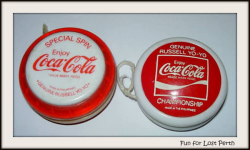
Yo Yo Day spins onto our calendars each June 6.

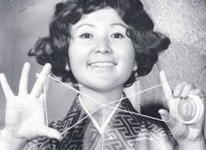
Yes, today is when we reconnect with our inner child or have fun with our own kids by playing around with different yo-yos.

A yo-yo is a classic toy made of two discs connected by an axle, with a long string wrapped around it. Yo-Yo Day is here to show appreciation for this incredible toy and those who are new to it, those who have been learning it for years, and those who have mastered it.

A yo-yo might also be called a small lesson in physics that fits in a pocket. Gravity, momentum, friction, and torque all show up the moment the string unspools. Some yo-yos “sleep” at the end of the string, spinning in place long enough to set up tricks that look like miniature stage magic. Others snap back to the hand with the tiniest tug, as satisfying as a perfect boomerang return.

If you grew up in Australia, chances are a yo-yo lived in your school bag at some point.

It might have been neon.
It probably tangled.
And it definitely smacked the ground a few times.

"Aussies playing with a yo-yo" might refer to someone who can do amazing tricks right down to those with a nostalgic nod back to local crazes of their youth. Playing with yo yos were always a cyclical fun trend; very contagious and very competitive – and very demanding of lots of practice.

The modern yo-yo scene in Australia features world-class talent and high-profile visits from international champions:

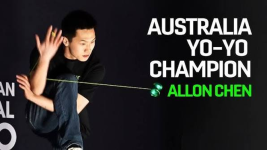
  • Professional Aussie yo-yo players like Brandon Vu and Allon Chen have taken competitive yo-yoing to new heights. Moving far beyond basic "walking the dog" tricks, modern Australian players execute mind-bending, high-speed combos, horizontal tricks, and the highly popular "DNA" finger-spin, heavily showcased at events like the Australian National Yo-Yo Championships.
  • Gentry Stein: The multi-time World Yo-Yo Champion frequently travels to Australia, hosting pop-up meets across Sydney and Melbourne and sharing videos of Australian Yo-Yo Tricks against iconic backdrops like Uluru and the Sydney Opera House.
  • The Spinstar Craze: Modern yo-yo culture grew significantly through partnerships with local retailers like Woolworths, bringing entry-level performance models like the YoYoFactory Spinstar to everyday Aussies.
  • Nostalgic Crazes: Australia has a deep history with the toy, dating back to massive community crazes in the 1950s, 60s, and 70s sponsored by brands like Coca-Cola.
When wanting to buy one of the legendary Duncan Yo-Yo range - the brand that helped turn yo-yoing into a global obsession - whether you’re buying for a nostalgic adult, a curious kid, or someone ready to master viral tricks.

Learning tricks is also a great way to understand the different “styles” of yo-yo play. Many people start with basic up-and-down throwing, then move into one of two broad categories:
  • Looping and return tricks, where the yo-yo comes back to the hand easily and can circle around in repeated loops.
  • String tricks, where the yo-yo lands on the string and “sleeps” long enough to create formations.
Nostalgic memories lend us to days gone when yo yo beginners eagerly took up the challenge of the “usual 7 beginner tricks” including:
  1. Sleeper
  2. Walk the Dog
  3. Rock the Baby
  4. Around the World
  5. Forward Pass
  6. Breakaway
  7. Bind (for unresponsive players)
Once we nailed these, we’re “experts.”

And so the times change, but yo yo players today continue their unending loop tricks and string tricks, or at try, and try again!

Without too much hoo-ha but readily followed on all the socials, younger Aussies have a thriving Yo_Yo scene. We host the Australian National Yo Yo Championships (ANYC), aligned with international rules. Last year's event ran at Balmain Town Hall in Sydney
Yo Yo culture is very much alive.

Long may the Yo Yo craze keep us "crazy!"


Fun Facts about Yo Yos:
  • The yo-yo is one of the oldest toys in human history, with evidence dating back to 500 BCE in Ancient Greece. While ancient versions were made of clay and wood, they evolved into the global spinning phenomenon we know today.
  • The word "yo-yo" is believed to come from the Ilocano language of the Philippines, where yóyo translates to "come-come" or "return".
  • Yo-yos have actually gone to space! A yo-yo was taken up by the Space Shuttle Atlantis in 1985. Astronauts discovered that without Earth's gravity to pull them down, yo-yos can't "sleep" (spin continuously at the bottom of the string).
  • Fastest and Longest: Modern expert throws can exceed 10,000 RPM, and the longest recorded "sleeps" exceed 30 minutes.


“You know what they say about yo-yoing... It has its ups and downs”

"I can 'YO', but the second 'YO' isn't working"

“I tried to throw away a yo-yo, but I couldn’t”

“Oh, you can talk the talk, but can you walk the… dog?”


1780710535525.png


1780710552713.png


1780710575546.png


1780710593542.png
 
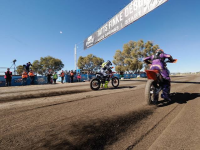
The Tatts Finke Desert Race zooms onto our calendar each June 7.

The Tatts Finke Desert Race is Australia's premier multi-terrain off-road endurance event. Held annually on the King’s Birthday long weekend, competitors tackle an extreme 460-kilometer round trip between Alice Springs and the Aputula (Finke) community, renowned for its grueling red dirt, severe washouts, and unforgiving spinifex terrain.

“Finke” as it is commonly known, is one of the biggest annual sporting events in the Northern Territory and has the reputation of being one of the most difficult offroad courses in one of the most remote places in the world. Finke is unique and the most fun you can have with a helmet on!

The Finke Desert Race has been run annually in Alice Springs for more than 45 years (2026 will be the 50th race) and throughout this time has been a community run event organized and operated by volunteers with support from part-time paid staff in the admin and information technology areas. Last year there were 300+ registered volunteers. Many of these are Alice Springs residents but many come from other parts of Australia sometimes on an annual basis. The volunteers bring a huge range of knowledge, skills and experience to the event.

Anyone can volunteer and there are minimal prerequisites, depending on your role, for many of the tasks that need doing. While some jobs require training and accreditation (e.g. becoming a scrutineer) there are many that don’t (e.g. car park attendants, catering, etc.). Team Leaders will make sure that volunteers are competent to fill their roles and where necessary training will be provided and briefings will be arranged.

And this year, the race is celebrating its 50 Years Anniversary.

And it’s a BIGGIE!!

Legends Dinner
Wednesday 3rd June – The Convention Centre
Celebrate fifty years of Finke! A night that will honour all those who have made this race great and the legends who have been crowned King's of the Desert.

Alice Springs Town Council Finke Street Party & Night Markets – 5pm to 9pm
Thursday 4th June – Todd Mall and Council Lawns
The Alice Springs Town Council Finke Street Party & Night Markets is THE kick-off party for Race Weekend! This FREE, family friendly community event is an opportunity for motorsport fans to meet up before a BIG weekend of racing, provide an opportunity for Alice Springs residents who are not able to engage with the race over race weekend to feel the buzz of the event in a festival atmosphere and for ALL Race Fans to kick start their Finke festivities!

Finke Junior Ride Event - 12:00 noon - 3:00pm
Friday 5th June – Start/Finish Line Complex, South Stuart Highway
The Tatts Finke Desert Race is excited to introduce the Junior Event, giving young riders the chance to experience desert riding on the iconic Finke Prologue Track. This event provides a safe, professionally managed, non-competitive environment for junior riders to ride in real Finke conditions and be a part of the race atmosphere.

AJP Motos Australia Scrutineering - 12:00 noon - 10:00pm (Vehicle Scrutineering Commencing 3:30pm
Friday 5th June – Start/Finish Line Complex, South Stuart Highway
Get up close to more than 800 race vehicles, from event‑winning motorcycles to the biggest and baddest Trophy Trucks in the southern hemisphere.

Method Race Wheels Prologue – Cars from 8am, Bikes from 12 Noon
Saturday 6th June – Start/Finish Line Complex, South Stuart Highway
Watch competitors race against the clock to determine their starting position for the race to Finke on Race Day 1. The day kicks off at 8am with the car competitors first to take on the 8.3km prologue track. Bike competitors begin at 12 noon with the top 30 placegetters from the previous year taking the track first.

Race Day 1 – Cars Depart 7.30am, Bikes Depart 12 noon
Sunday 7th June – Start/Finish Line Complex, South Stuart Highway
And they’re off! Competitors begin the two-day race to Finke and back with the car section off first, followed by the bikes.

Cars start from 7.30am with the first twenty vehicles (as determined by prologue) starting one at a time at one-minute intervals. Vehicles in positions 21 to 76 will then start one at a time at 30 second intervals. The remainder of the field will start two at a time at thirty second intervals. The first car is expected to arrive in Finke at approximately 9.20am.

Bikes will depart from 12 noon with the fastest 20 bikes (as determined by prologue) starting in rows of two bikes, at one-minute intervals. The remainder of the field will start in rows of five bikes at 30 second intervals. The first bike is expected to arrive in Finke at approximately 1.40pm.

Competitors camp in the Aputula Community (Finke) campground overnight ahead of racing back to Alice Springs the following day.

Race Day 2 – Cars Depart 7.15am, Bikes Depart 12 noon
Monday 8th June - Start/Finish Line Complex, South Stuart Highway
After an overnight camp in Aputula Community, competitors make their way back to the Finke Checkpoint Start Line to race back to Alice Springs.

The car section is first off the line from 7.15am. Competitors start in the order as determined by corrected time from Race Day 1. Corrected time is the overall time a competitor took to get from Alice Springs to Finke. Competitors who finish within the first twenty minutes of the leader will start on corrected time. The remainder of the field will start one at a time at one-minute intervals.

Bikes will leave Finke from 12 noon on corrected time as calculated from day one. Bikes with a corrected time of greater than 20 minutes behind the leader of Race Day 1 will start up to ten at a time, one minute apart, in order of their corrected positions.

Track podium presentation for both the car and bikes takes place approximately 15 minutes after the third-place competitor crosses the line.

Presentation – 6pm to 11pm (Awards from 8pm)
Monday 8th June – Convention Centre
Presentation Night...the night to tell stories, kick off the racing boots and congratulate those who made it ‘There & Back!’

Competitors who complete the event, will have the opportunity to receive their ‘Survivor Spike’ in the foyer of the Alice Springs Convention Centre between 5:30pm-9pm from our team of Official Finke Ambassadors. Each finisher will have their photo taken to commemorate the occasion, along with the Spike Presentation being beamed LIVE online via the Finke Live Stream - for Family at home to see their loved ones’ moment of fame! Awarding of outright and class winners will commence at 8pm in the main room.

Then, head next door to The Juicy Rump to continue the celebrations once the official presentations are all done.

So, this year or next, soak up one of the biggest sporting events in the NT over one of the most unique offroad courses in the world.

Held annually, each King’s Birthday weekend.


Fun Facts about the Tatts Finke Desert Race:
  • The race was founded in 1976 as a friendly wager among local motorcycle enthusiasts. The original challenge was simply "there and back"—riding from Alice Springs to the Finke River and returning along the old Ghan railway line. While it started strictly for motorcycles, off-road buggies and trophy trucks were introduced in 1988. The rivalry was so intense that in 2005, organizers split the crown into two distinct "King of the Desert" titles—one for bikes and one for cars.
  • The race continues to tear down the same path as the original Ghan railway, even though the historic tracks were pulled up when the line was rebuilt in the early 1980s.
  • Competitors must cross the Finke River during the race, which geologists consider to be the oldest river in the world.
  • Demand to enter the race has exploded, with more than 1,200 expressions of interest to compete in a recent year—nearly 20 times the number of racers who lined up in the inaugural 1976 event.
  • Racers hurtle over the rough outback terrain at blistering speeds of up to 180 kilometres per hour, allowing the fastest competitors to complete the 460 km round trip in under 4 hours.


"Finke isn't just a race. It's a pilgrimage"

"The track can slap you around, throw you around like a rag doll and give you a big reality check"

"You'd have to be mad as a cut snake to miss out!"

"Serving a three-course meal of dirt."
1780783515902.png
1780783532591.png
1780783548206.png


1780783566683.png
 
Back
Top