And today is .......

Daffodil Day in Australia is Thursday, 20 August 2026. This year marks the 40th anniversary of the Cancer Council fundraising event supporting cancer research.

To those affected by cancer, the daffodil represents hope for a cancer free future.

Every day, Cancer Council is investing in life-saving research that’s improving the way we prevent, detect and treat cancer. Thanks to investment in research by organisations like Cancer Council, cancer survival rates have increased from 46% in the late 1980s to 72% today.

And, thanks to those who support us, Cancer Council is the largest non-government funder of cancer research in Australia.

For all that cancer takes, give this Daffodil Day , so we can continue funding lifesaving research and accelerate breakthroughs into the prevention, early detection, treatment and care of cancer. Your support is bringing us closer to a cancer free future.

This Daffodil Day, we celebrate the lives saved because of cancer research and the hope it brings for powerful new treatments to come. Lifesaving breakthroughs in cancer research have only been possible thanks to the support of thousands of donors.

When Daffodil Day first took roots in 1986, the 5-years cancer survival was approximately 46%. Today, thanks to the support of the community raising funds for cancer research – survival is now 72%.

For 40 years, people all over Australia have come together to share a message of hope on Daffodil Day. Over the years, this much-loved community event has given thousands of Aussies affected by cancer a moment to reflect, remember and support each other.

Over this time Daffodil Day has helped grow hope in the community as we’ve come together to improve outcomes for people with cancer. We’ve come a long way in that time and we hope the next 40 years of cancer research will see everyone diagnosed with cancer surviving their diagnosis with a treatment plan that’s just right for them. It’s absolutely possible, and we’re here to help make it happen.

For 40 years, Daffodil Day has been a day for all of us to come together against cancer, and continues to give hope to those who are, have been, or are yet to be on a cancer journey.

In 2025, Australians gave a bunch for Daffodil Day, raising over $5 million towards lifesaving cancer research. This year, we would love to have your vital support once more.

Almost 1 in 2 of us will face a cancer diagnosis in our lifetime, so all of us are affected by cancer. We’re brought together by the many ways cancer has touched our lives, but also by the hope we find in cancer research that’s saving more lives year-on-year. That's why we're encouraging you to give it your all by participating in the Daffodil Day Dip, registering to fundraise or by  donating  this Daffodil Day.

All donations to combat Cancer and aid the research in fighting the good fight can be arranged via the Daffodil website: https://www.daffodilday.com.au/about

While Daffodil Day 2026 is today, you can get involved and help support this special day any time throughout the month.

You can even put on your yellow Daffodil cap and swim for this charity/research. Take a cold plunge this August for the 1 in 2 Aussies diagnosed with cancer by age 85. Why not join our community of Dippers and help raise funds for cancer research.

Almost one in two Australians will be diagnosed with cancer by 85. This August, join thousands taking the plunge for a cancer free future.

And from one cancer survivor, “"The Daffodil Day Dip became my way of saying thank you. It was a celebration of healing, of freedom and of the science that saves lives."

Dip into the ocean, a lake, river, pool, or even a bath - just make it cold! Do it on 20 August for Daffodil Day or any day that suits you. Dip once, twice, every weekend, or daily - it’s up to you! The funds you raise will support Australians affected by cancer and drive life-saving research. Grab your friends, brave the cold, and sign up now!

We are funding cutting-edge cancer research that will save countless lives!

For all that cancer takes, give hope this Daffodil Day.

This Daffodil Day our collective support to cancer research will save lives and keep families together.

Every day, 452 Australians are diagnosed with cancer.
We’re in this together.
This year, support cancer research and help find the breakthroughs needed to save lives.


View attachment 42907


View attachment 42908


View attachment 42909
A beautiful flower being used to raise much needed funds for the Cancer Council.
 
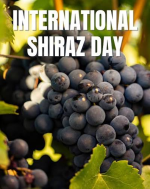
Shiraz Day pours onto our calendars each August 21.

Shiraz leads the charge as Australia’s most popular red wine. It’s bright, bold and full of personality.

Our love affair with Shiraz is the nation’s defining wine story, transforming a humble grape into the country's most celebrated and widely planted variety. Originally brought to Australia in 1832 by James Busby, Shiraz has evolved from a bulk-blending grape into a world-class icon that anchors the domestic wine industry.

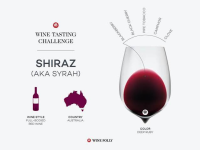
It’s all about the taste. Shiraz is known for its intense aromas and flavours. Shiraz wine Australia tastes peppery, fruity, and earthy and smells strongly of oak and blueberry. It also has light hints of ripe fruit in its scent. So, when you get Shiraz, be prepared for a flavour punch. In short, you can say that Shiraz tastes bold with the taste of berries and spice.

Australian Shiraz is globally renowned for these bold, rich flavours and incredible versatility. As the country’s most widely planted wine grape, it thrives across a massive variety of climates, creating everything from deeply concentrated, velvety blockbusters to elegant, cool-climate styles.

Our most famous red wine, Shiraz, ranges from rich, full-bodied South Australian classics to savory, elegant cool-climate styles. Iconic icons include Penfolds Grange and Henschke Hill of Grace, alongside popular regional picks from the Barossa Valley, McLaren Vale, and the Yarra Valley.

Australia’s diverse climates allow Shiraz to express vastly different personalities, creating regional sub-cultures of dedicated fans:
  • Barossa Valley (SA): Home to some of the world's oldest productive vines, yielding rich, full-bodied, and velvety wines packed with dark chocolate and plum notes.
  • McLaren Vale (SA): Famous for producing plush, opulent Shiraz with distinct dark fruit profiles and smooth, approachable tannins.
  • Hunter Valley (NSW): Known for a unique, medium-bodied style that ages beautifully, developing complex earthy and savory notes over decades.
  • Cool-Climate Regions (Vic & WA): Areas like Heathcote, the Grampians (Great Western), and Mount Barker produce a highly finessed, peppery, and elegant style often labelled as "Syrah" to reflect its European style.

The Barossa and McLaren Vale regions of South Australia are the most famous, possibly due to highly prized old vineyards producing intensely flavoured, rich and earthy red wines. The Hunter Valley has a long history with Shiraz, while Victoria combines some proven historic regions like the Grampians with newer, rising stars like Heathcote.

If Shiraz grapes are picked late, they will often shrivel, become raisin-like and produce concentrated, dried fruit flavours. The big flavours of Australian Shiraz are suited to American oak, although a recent trend has seen a move to French oak, particularly in cooler regions.

Hunter Valley red wine is dominated by Shiraz grapes. The region is considered warm climate, with summer temperatures often pushing towards 40 degrees Celsius, though cooling breezes from the ocean are often pulled into the Hunter Valley region. The warm weather suits the Shiraz vines and the resulting wine is well regarded.

Shiraz is enjoyed by a wide cross-section of Australian wine consumers, ranging from older, traditional red wine enthusiasts to middle-aged dinner party hosts. However, everyday wine drinkers across the country-from backyard barbecues to formal dinners-frequently reach for it, as it remains Australia's most widely planted and top-selling red wine variety.

Australia's most popular and iconic commercial Shiraz wines range from everyday best-sellers like Penfolds Koonunga Hill Shiraz and Pepperjack Barossa Shiraz

to world-renowned collector flagships like Penfolds Grange and Rockford Basket Press. Popularity splits heavily between accessible commercial favourites and legendary icons.

The vast range of Shiraz wines is readily available at all liquor outlets, including Dan Murphys, Liquorland and BWS among others.

Shiraz as “one of the most versatile wines when looking for food pairing.” Typically Shiraz is recommended for red meat however Hunter Shiraz being a lighter style matches well with a range of grilled food and spiced cuisine.

The smoky flavour of grilled and barbecued foods works perfectly with warm climate shiraz. Pork ribs, beef brisket and roasted lamb all offer charred juiciness that mingles on the palate with the deep berry flavours of the traditional Australian drop.

Share your favourite Shiraz with maybe grilled steaks, beef ribs, and barbecued meats, or roasted lamb with rosemary and garlic, and even aged hard cheeses and hearty vegetable stews – this versatile wine just does it all.

Shiraz not only works with meat. You can round out your barbecue with delicious, paired vegetables that include eggplant, edamame, corn, zucchini, mushroom and capsicum.

Although shiraz is compatible with rich flavours, it can also be a wine of choice for a casual picnic or hanging out with friends and family. Shiraz flavours complement a charcuterie board perfectly. Fill out your charcuterie board with firm, aged cheeses such as cheddar, gruyere, gouda and Parmigiano Reggiano.

It’s not surprising that Shiraz is a major red wine export for Australia. It is one of the country's top exported wine varieties, with tens of millions of litres shipped overseas annually to major international markets like the United Kingdom, the United States, China, and Canada through Wine Australia.

Shiraz can be delicious when young and fresh but really shines with a few years of ageing. Fire up the grill, grab your favourite protein and get ready for one of the world’s best food and wine matches!

Did someone mention the health benefits of Shiraz? Remembering moderation, the benefits of Shiraz include reducing heart disease and other cardiovascular problems, tackling obesity and aiding weight loss, preventing diabetes, and helping with general health and fitness.

Amazingly, research has shown that a glass of Shiraz a day can also help prevent signs of ageing. Chemicals present in the Shiraz grape will fight free radicals in your body and might help you keep your youthful beauty! Just WOW!

On Shiraz Day, it’s definitely “Cheers to all of the Shiraz drinkers.” 🍷

Do I want a wine?

You bet your Shiraz I do!


Fun Facts about Shiraz:
  • Shiraz and Syrah are the exact same dark-skinned grape variety.
  • DNA testing revealed that Syrah is the offspring of two obscure French grapes: Dureza and Mondeuse Blanche.
  • The grapes have thick skins packed with tannins, making the wine great for ageing.
  • The signature spice or black pepper taste in Shiraz comes from a natural chemical compound called rotundone.
  • Shiraz produces some of the most inky, deep purple, and opaque red wines you can drink.


“Life is too short to drink a weak red. Pour the Shiraz”

“It isn’t good to keep things bottled up – pour that Shiraz”

“Save water. Drink Shiraz”

“Que Syrah, Syrah – Shiraz me now”


1787257814204.png


1787257830134.png


1787257847905.png


1787257889539.png
 
Shiraz Day pours onto our calendars each August 21.

Shiraz leads the charge as Australia’s most popular red wine. It’s bright, bold and full of personality.

Our love affair with Shiraz is the nation’s defining wine story, transforming a humble grape into the country's most celebrated and widely planted variety. Originally brought to Australia in 1832 by James Busby, Shiraz has evolved from a bulk-blending grape into a world-class icon that anchors the domestic wine industry.

It’s all about the taste. Shiraz is known for its intense aromas and flavours. Shiraz wine Australia tastes peppery, fruity, and earthy and smells strongly of oak and blueberry. It also has light hints of ripe fruit in its scent. So, when you get Shiraz, be prepared for a flavour punch. In short, you can say that Shiraz tastes bold with the taste of berries and spice.

Australian Shiraz is globally renowned for these bold, rich flavours and incredible versatility. As the country’s most widely planted wine grape, it thrives across a massive variety of climates, creating everything from deeply concentrated, velvety blockbusters to elegant, cool-climate styles.

Our most famous red wine, Shiraz, ranges from rich, full-bodied South Australian classics to savory, elegant cool-climate styles. Iconic icons include Penfolds Grange and Henschke Hill of Grace, alongside popular regional picks from the Barossa Valley, McLaren Vale, and the Yarra Valley.

Australia’s diverse climates allow Shiraz to express vastly different personalities, creating regional sub-cultures of dedicated fans:
  • Barossa Valley (SA): Home to some of the world's oldest productive vines, yielding rich, full-bodied, and velvety wines packed with dark chocolate and plum notes.
  • McLaren Vale (SA): Famous for producing plush, opulent Shiraz with distinct dark fruit profiles and smooth, approachable tannins.
  • Hunter Valley (NSW): Known for a unique, medium-bodied style that ages beautifully, developing complex earthy and savory notes over decades.
  • Cool-Climate Regions (Vic & WA): Areas like Heathcote, the Grampians (Great Western), and Mount Barker produce a highly finessed, peppery, and elegant style often labelled as "Syrah" to reflect its European style.

The Barossa and McLaren Vale regions of South Australia are the most famous, possibly due to highly prized old vineyards producing intensely flavoured, rich and earthy red wines. The Hunter Valley has a long history with Shiraz, while Victoria combines some proven historic regions like the Grampians with newer, rising stars like Heathcote.

If Shiraz grapes are picked late, they will often shrivel, become raisin-like and produce concentrated, dried fruit flavours. The big flavours of Australian Shiraz are suited to American oak, although a recent trend has seen a move to French oak, particularly in cooler regions.

Hunter Valley red wine is dominated by Shiraz grapes. The region is considered warm climate, with summer temperatures often pushing towards 40 degrees Celsius, though cooling breezes from the ocean are often pulled into the Hunter Valley region. The warm weather suits the Shiraz vines and the resulting wine is well regarded.

Shiraz is enjoyed by a wide cross-section of Australian wine consumers, ranging from older, traditional red wine enthusiasts to middle-aged dinner party hosts. However, everyday wine drinkers across the country-from backyard barbecues to formal dinners-frequently reach for it, as it remains Australia's most widely planted and top-selling red wine variety.

Australia's most popular and iconic commercial Shiraz wines range from everyday best-sellers like Penfolds Koonunga Hill Shiraz and Pepperjack Barossa Shiraz

to world-renowned collector flagships like Penfolds Grange and Rockford Basket Press. Popularity splits heavily between accessible commercial favourites and legendary icons.

The vast range of Shiraz wines is readily available at all liquor outlets, including Dan Murphys, Liquorland and BWS among others.

Shiraz as “one of the most versatile wines when looking for food pairing.” Typically Shiraz is recommended for red meat however Hunter Shiraz being a lighter style matches well with a range of grilled food and spiced cuisine.

The smoky flavour of grilled and barbecued foods works perfectly with warm climate shiraz. Pork ribs, beef brisket and roasted lamb all offer charred juiciness that mingles on the palate with the deep berry flavours of the traditional Australian drop.

Share your favourite Shiraz with maybe grilled steaks, beef ribs, and barbecued meats, or roasted lamb with rosemary and garlic, and even aged hard cheeses and hearty vegetable stews – this versatile wine just does it all.

Shiraz not only works with meat. You can round out your barbecue with delicious, paired vegetables that include eggplant, edamame, corn, zucchini, mushroom and capsicum.

Although shiraz is compatible with rich flavours, it can also be a wine of choice for a casual picnic or hanging out with friends and family. Shiraz flavours complement a charcuterie board perfectly. Fill out your charcuterie board with firm, aged cheeses such as cheddar, gruyere, gouda and Parmigiano Reggiano.

It’s not surprising that Shiraz is a major red wine export for Australia. It is one of the country's top exported wine varieties, with tens of millions of litres shipped overseas annually to major international markets like the United Kingdom, the United States, China, and Canada through Wine Australia.

Shiraz can be delicious when young and fresh but really shines with a few years of ageing. Fire up the grill, grab your favourite protein and get ready for one of the world’s best food and wine matches!

Did someone mention the health benefits of Shiraz? Remembering moderation, the benefits of Shiraz include reducing heart disease and other cardiovascular problems, tackling obesity and aiding weight loss, preventing diabetes, and helping with general health and fitness.

Amazingly, research has shown that a glass of Shiraz a day can also help prevent signs of ageing. Chemicals present in the Shiraz grape will fight free radicals in your body and might help you keep your youthful beauty! Just WOW!

On Shiraz Day, it’s definitely “Cheers to all of the Shiraz drinkers.” View attachment 42950

Do I want a wine?

You bet your Shiraz I do!


Fun Facts about Shiraz:
  • Shiraz and Syrah are the exact same dark-skinned grape variety.
  • DNA testing revealed that Syrah is the offspring of two obscure French grapes: Dureza and Mondeuse Blanche.
  • The grapes have thick skins packed with tannins, making the wine great for ageing.
  • The signature spice or black pepper taste in Shiraz comes from a natural chemical compound called rotundone.
  • Shiraz produces some of the most inky, deep purple, and opaque red wines you can drink.


“Life is too short to drink a weak red. Pour the Shiraz”

“It isn’t good to keep things bottled up – pour that Shiraz”

“Save water. Drink Shiraz”

“Que Syrah, Syrah – Shiraz me now”


View attachment 42951


View attachment 42952


View attachment 42953


View attachment 42954

My favourite grape variety,just ahead of Pinot (Noir)
 
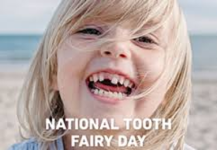
Tooth Fairy Day pulls out onto our calendars each August 22.

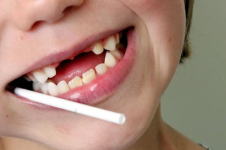
Wiggle a loose tooth and maybe the tooth fairy will collect it. Losing teeth as a child is fantastic. Not only are you starting to grow up, but the tooth fairy comes and leaves you a gift for your tooth. WOW!

Parents are aware that no matter how often they take their children to visit the dentist, their little ones will still end up losing their baby teeth.

While this process can be a bit scary for your little one, one tradition that has made this stage of life easier is the Tooth Fairy.

The idea of getting money for lost teeth is exciting for little heroes, and they often look forward to having a couple of their pearly whites fall out so they can receive their reward.

Because losing teeth is a part of growing up, the belief in the Tooth Fairy gives children the chance to celebrate these steps towards maturing. Tooth Fairy Day can be a great day to introduce younger children to the fact that they will be losing their baby teeth.

If they haven’t yet experienced losing a tooth, the little hero might be a bit afraid. By explaining to the child what will happen, who the Tooth Fairy is, and how they’ll receive an award, it’ll make the experience much easier to deal with.

This fun observance celebrates the childhood tradition of the tooth fairy and helps encourage children to practice good dental hygiene.

Pretending the tooth fairy is real is widely considered a harmless childhood tradition that fosters imagination and excitement.

The joy for every child to make losing baby teeth magical with the placing of the tooth under the pillow – and then to find the next morning that the tooth has gone and some money in its place – all thanks to the Tooth Fairy!

The Tooth Fairy has been around since the 1920s, when Esther Watkins Arnold brought the tooth fairy to life in an eight-page playlet. She named the playlet The Tooth Fairy. At the same time, Sir Arthur Conan Doyle published photographs of two girls surrounded by "verified" fairies. He claimed that fairies and gnomes existed and the pictures supplied the photographic evidence. Who’s going to question Sherlock Holmes?

Childen, primed with vivid imaginations, placed their freshly lost teeth under their pillows at night. The anticipation of a visit from the tooth fairy lives on today.

In Australia, the Tooth Fairy tradition closely mirrors British and American customs. When a child loses a baby tooth, they place it under their pillow before going to sleep. During the night, the Tooth Fairy visits, takes the lost tooth, and leaves a small reward –

Originally a shiny gold or silver coin, but has evolved over time to a note of higher currency - in its place.

One big rule: The fairy only comes after the child falls fast asleep.

The reward is typically money, ranging from $1 to $5 per tooth, depending on the household or if the fairy is feeling generous. More common “rewards” suggest a $5 note or a $2 gold coin remains the most common physical reward under the pillow. Tradition often says the very first lost tooth gets a bigger reward than later teeth.

Children are often told that the fairy uses the collected baby teeth to build fairy castles, make stardust, or trade them with younger fairy babies.

The tooth fairy tradition usually stops around age 10 to 12, which is when children lose their final baby teeth. While most kids stop believing in the magic by age 7 or 8, many continue to "play along" to collect money for their remaining loose teeth.

Families share this custom to celebrate growing up. A fun story helps make losing teeth and changing smiles feel special.

If older kids know the truth, they are reminded to keep the secret safe for their younger brothers or sisters. The magic must be shared.

Then comes the age when the child asks if the tooth fairy is real. If you want to keep believing, let the magic continue. If they are ready for the truth, gently explain that parents play the role because they love making growing up fun.

Oh, to be young forever …………………..


Fun Facts about the Tooth Fairy:
  • The Tooth Fairy collects A LOT of teeth - about 300,000 teeth from children all over the world every night.
  • It’s believed that the Tooth Fairy uses these teeth to help build the fairy community where she lives. Other times she will make jewellery for herself and her friends.
  • The Tooth Fairy is really great at her job. So good that we never even know she’s been there.
  • The Tooth Fairy can visit each child around 20 times! Children have 20 baby teeth that will fall out over the span of a few years. As long as each tooth is left under the pillow, the Tooth Fairy will find it!


“Sleep tight and let dreams of the tooth fairy's gift fill the night”

“The tooth fairy isn't something you need to see to believe”

“Smile big. The tooth fairy is visiting tonight”

“Keeping the magic alive one tooth at a time”


1787347834678.png


1787347853418.png


1787347868847.png


1787347883824.png
 
Tooth Fairy Day pulls out onto our calendars each August 22.

Wiggle a loose tooth and maybe the tooth fairy will collect it. Losing teeth as a child is fantastic. Not only are you starting to grow up, but the tooth fairy comes and leaves you a gift for your tooth. WOW!

Parents are aware that no matter how often they take their children to visit the dentist, their little ones will still end up losing their baby teeth.

While this process can be a bit scary for your little one, one tradition that has made this stage of life easier is the Tooth Fairy.

The idea of getting money for lost teeth is exciting for little heroes, and they often look forward to having a couple of their pearly whites fall out so they can receive their reward.

Because losing teeth is a part of growing up, the belief in the Tooth Fairy gives children the chance to celebrate these steps towards maturing. Tooth Fairy Day can be a great day to introduce younger children to the fact that they will be losing their baby teeth.

If they haven’t yet experienced losing a tooth, the little hero might be a bit afraid. By explaining to the child what will happen, who the Tooth Fairy is, and how they’ll receive an award, it’ll make the experience much easier to deal with.

This fun observance celebrates the childhood tradition of the tooth fairy and helps encourage children to practice good dental hygiene.

Pretending the tooth fairy is real is widely considered a harmless childhood tradition that fosters imagination and excitement.

The joy for every child to make losing baby teeth magical with the placing of the tooth under the pillow – and then to find the next morning that the tooth has gone and some money in its place – all thanks to the Tooth Fairy!

The Tooth Fairy has been around since the 1920s, when Esther Watkins Arnold brought the tooth fairy to life in an eight-page playlet. She named the playlet The Tooth Fairy. At the same time, Sir Arthur Conan Doyle published photographs of two girls surrounded by "verified" fairies. He claimed that fairies and gnomes existed and the pictures supplied the photographic evidence. Who’s going to question Sherlock Holmes?

Childen, primed with vivid imaginations, placed their freshly lost teeth under their pillows at night. The anticipation of a visit from the tooth fairy lives on today.

In Australia, the Tooth Fairy tradition closely mirrors British and American customs. When a child loses a baby tooth, they place it under their pillow before going to sleep. During the night, the Tooth Fairy visits, takes the lost tooth, and leaves a small reward –

Originally a shiny gold or silver coin, but has evolved over time to a note of higher currency - in its place.

One big rule: The fairy only comes after the child falls fast asleep.

The reward is typically money, ranging from $1 to $5 per tooth, depending on the household or if the fairy is feeling generous. More common “rewards” suggest a $5 note or a $2 gold coin remains the most common physical reward under the pillow. Tradition often says the very first lost tooth gets a bigger reward than later teeth.

Children are often told that the fairy uses the collected baby teeth to build fairy castles, make stardust, or trade them with younger fairy babies.

The tooth fairy tradition usually stops around age 10 to 12, which is when children lose their final baby teeth. While most kids stop believing in the magic by age 7 or 8, many continue to "play along" to collect money for their remaining loose teeth.

Families share this custom to celebrate growing up. A fun story helps make losing teeth and changing smiles feel special.

If older kids know the truth, they are reminded to keep the secret safe for their younger brothers or sisters. The magic must be shared.

Then comes the age when the child asks if the tooth fairy is real. If you want to keep believing, let the magic continue. If they are ready for the truth, gently explain that parents play the role because they love making growing up fun.

Oh, to be young forever …………………..


Fun Facts about the Tooth Fairy:
  • The Tooth Fairy collects A LOT of teeth - about 300,000 teeth from children all over the world every night.
  • It’s believed that the Tooth Fairy uses these teeth to help build the fairy community where she lives. Other times she will make jewellery for herself and her friends.
  • The Tooth Fairy is really great at her job. So good that we never even know she’s been there.
  • The Tooth Fairy can visit each child around 20 times! Children have 20 baby teeth that will fall out over the span of a few years. As long as each tooth is left under the pillow, the Tooth Fairy will find it!


“Sleep tight and let dreams of the tooth fairy's gift fill the night”

“The tooth fairy isn't something you need to see to believe”

“Smile big. The tooth fairy is visiting tonight”

“Keeping the magic alive one tooth at a time”


View attachment 42972


View attachment 42973


View attachment 42974



View attachment 42975
The Tooth Fairy has been a bit forgetful around my area at times, often having to make a special trip the following night
 
Tooth Fairy Day pulls out onto our calendars each August 22.

Wiggle a loose tooth and maybe the tooth fairy will collect it. Losing teeth as a child is fantastic. Not only are you starting to grow up, but the tooth fairy comes and leaves you a gift for your tooth. WOW!

Parents are aware that no matter how often they take their children to visit the dentist, their little ones will still end up losing their baby teeth.

While this process can be a bit scary for your little one, one tradition that has made this stage of life easier is the Tooth Fairy.

The idea of getting money for lost teeth is exciting for little heroes, and they often look forward to having a couple of their pearly whites fall out so they can receive their reward.

Because losing teeth is a part of growing up, the belief in the Tooth Fairy gives children the chance to celebrate these steps towards maturing. Tooth Fairy Day can be a great day to introduce younger children to the fact that they will be losing their baby teeth.

If they haven’t yet experienced losing a tooth, the little hero might be a bit afraid. By explaining to the child what will happen, who the Tooth Fairy is, and how they’ll receive an award, it’ll make the experience much easier to deal with.

This fun observance celebrates the childhood tradition of the tooth fairy and helps encourage children to practice good dental hygiene.

Pretending the tooth fairy is real is widely considered a harmless childhood tradition that fosters imagination and excitement.

The joy for every child to make losing baby teeth magical with the placing of the tooth under the pillow – and then to find the next morning that the tooth has gone and some money in its place – all thanks to the Tooth Fairy!

The Tooth Fairy has been around since the 1920s, when Esther Watkins Arnold brought the tooth fairy to life in an eight-page playlet. She named the playlet The Tooth Fairy. At the same time, Sir Arthur Conan Doyle published photographs of two girls surrounded by "verified" fairies. He claimed that fairies and gnomes existed and the pictures supplied the photographic evidence. Who’s going to question Sherlock Holmes?

Childen, primed with vivid imaginations, placed their freshly lost teeth under their pillows at night. The anticipation of a visit from the tooth fairy lives on today.

In Australia, the Tooth Fairy tradition closely mirrors British and American customs. When a child loses a baby tooth, they place it under their pillow before going to sleep. During the night, the Tooth Fairy visits, takes the lost tooth, and leaves a small reward –

Originally a shiny gold or silver coin, but has evolved over time to a note of higher currency - in its place.

One big rule: The fairy only comes after the child falls fast asleep.

The reward is typically money, ranging from $1 to $5 per tooth, depending on the household or if the fairy is feeling generous. More common “rewards” suggest a $5 note or a $2 gold coin remains the most common physical reward under the pillow. Tradition often says the very first lost tooth gets a bigger reward than later teeth.

Children are often told that the fairy uses the collected baby teeth to build fairy castles, make stardust, or trade them with younger fairy babies.

The tooth fairy tradition usually stops around age 10 to 12, which is when children lose their final baby teeth. While most kids stop believing in the magic by age 7 or 8, many continue to "play along" to collect money for their remaining loose teeth.

Families share this custom to celebrate growing up. A fun story helps make losing teeth and changing smiles feel special.

If older kids know the truth, they are reminded to keep the secret safe for their younger brothers or sisters. The magic must be shared.

Then comes the age when the child asks if the tooth fairy is real. If you want to keep believing, let the magic continue. If they are ready for the truth, gently explain that parents play the role because they love making growing up fun.

Oh, to be young forever …………………..


Fun Facts about the Tooth Fairy:
  • The Tooth Fairy collects A LOT of teeth - about 300,000 teeth from children all over the world every night.
  • It’s believed that the Tooth Fairy uses these teeth to help build the fairy community where she lives. Other times she will make jewellery for herself and her friends.
  • The Tooth Fairy is really great at her job. So good that we never even know she’s been there.
  • The Tooth Fairy can visit each child around 20 times! Children have 20 baby teeth that will fall out over the span of a few years. As long as each tooth is left under the pillow, the Tooth Fairy will find it!


“Sleep tight and let dreams of the tooth fairy's gift fill the night”

“The tooth fairy isn't something you need to see to believe”

“Smile big. The tooth fairy is visiting tonight”

“Keeping the magic alive one tooth at a time”


View attachment 42972


View attachment 42973


View attachment 42974


View attachment 42975
The modern day tooth fairy certainly is a different breed to the one of days gone by, I recently was told of the fairy leaving $50 for a child’s first tooth. I was stunned & also busy looking for some pliers to see if I could still cash in on tooth inflation.
 

Latest posts

Staff online

Back
Top