And today is .......

Cancer Council Australia holds Australia’s Biggest Morning Tea with their fundraising events ongoing throughout May and June.

I have chosen May 29 to highlight this wonderful cause, pouring it onto our calendars to raise awareness of the nationwide campaign striving to raise critical funds for the Cancer Council's research, prevention, and patient support programs.

Australia’s Biggest Morning Tea is the largest, most popular fundraising event of its kind in the country, and is hosted annually by the Cancer Council Australia. It’s been running for 34 years, having first launched in 1993.

Each year, over a million people sip their way through morning teas at work, schools, and homes to fund vital cancer research and patient support services.

Australia's Biggest Morning Tea is a major community fundraising event for the Cancer Council. It works by encouraging individuals, workplaces, and schools to host a tea party - either in-person or virtually - where guests make donations or buy treats to raise funds for cancer research, prevention, and support services.

Money raised from Australia's Biggest Morning Tea fundraising goes directly to the Cancer Council, where it is used to fund life-saving cancer research, prevention programs, and essential support services for patients and their families across the country.

Funds raised support three primary areas:
  • Life-saving Research: The Cancer Council is the largest non-government funder of cancer research in Australia, funding breakthrough studies to improve cancer prevention, detection, and treatment.
  • Patient Support Services: Donations help fund practical and emotional support programs, including providing free accommodation at Cancer Council Lodges for patients traveling for treatment, transport to and from hospitals, and funding the 13 11 20 support line.
  • Prevention Programs: The money backs public awareness campaigns and community initiatives—such as SunSmart school programs—designed to reduce cancer risks
More than one million people participate in Australia's Biggest Morning Tea every year. Organized by the Cancer Council to raise funds, the event relies on over 25,000 hosts who organize individual tea parties across workplaces, schools, and homes nationwide.
  • Host Your Way: Events can take place anywhere - at home with friends, at work with colleagues, or in a local park or community centre. Hosts usually supply the tea and coffee, and can ask guests to bring a plate of food, run a raffle, or host a bake sale.
  • Collect Donations: The Cancer Council provides hosts with a unique QR code linked to their fundraising page, allowing guests to easily make cashless donations using their smartphones. Hosts then bank the collected funds directly to the Cancer Council to support their initiatives.
Australians impacted by cancer are the primary beneficiaries of Australia's Biggest Morning Tea. The funds raised directly support the Cancer Council, making it the country's largest non-government funder of cancer research, patient support services, and prevention programs.

The proceeds from the events support various key initiatives:
  • Life-Saving Research: Funds drive groundbreaking cancer research aimed at finding better treatments, early detection methods, and cures.
  • Patient Support: Contributions help provide practical and emotional resources, including subsidised accommodation for regional patients during treatment, free legal and financial advice, and transport services.
  • Prevention Campaigns: Money raised empowers the community to reduce their cancer risk through public education campaigns and programs like SunSmart.
The true Aussie spirit rises each year in response to this great cause.

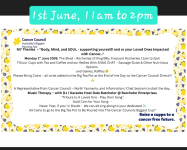
Typical of any number of fund-raising invitations is this marvellous invitation:

1780003110389.png


Anyone who may want to get on board as a fundraiser should simply log onto the Cancer Council webpage, follow the links and enjoy the community rewards that follow!


"We’re brewing hope and baking a difference!"

"Fighting cancer, one cuppa and one cake at a time."

"Put the kettle on, cancer is no match for our community."

"Take a tea break that saves lives."


1780003166529.png


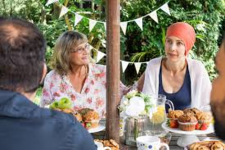
1780003181164.png


1780003197813.png
 
Cancer Council Australia holds Australia’s Biggest Morning Tea with their fundraising events ongoing throughout May and June.

I have chosen May 29 to highlight this wonderful cause, pouring it onto our calendars to raise awareness of the nationwide campaign striving to raise critical funds for the Cancer Council's research, prevention, and patient support programs.

Australia’s Biggest Morning Tea is the largest, most popular fundraising event of its kind in the country, and is hosted annually by the Cancer Council Australia. It’s been running for 34 years, having first launched in 1993.

Each year, over a million people sip their way through morning teas at work, schools, and homes to fund vital cancer research and patient support services.

Australia's Biggest Morning Tea is a major community fundraising event for the Cancer Council. It works by encouraging individuals, workplaces, and schools to host a tea party - either in-person or virtually - where guests make donations or buy treats to raise funds for cancer research, prevention, and support services.

Money raised from Australia's Biggest Morning Tea fundraising goes directly to the Cancer Council, where it is used to fund life-saving cancer research, prevention programs, and essential support services for patients and their families across the country.

Funds raised support three primary areas:
  • Life-saving Research: The Cancer Council is the largest non-government funder of cancer research in Australia, funding breakthrough studies to improve cancer prevention, detection, and treatment.
  • Patient Support Services: Donations help fund practical and emotional support programs, including providing free accommodation at Cancer Council Lodges for patients traveling for treatment, transport to and from hospitals, and funding the 13 11 20 support line.
  • Prevention Programs: The money backs public awareness campaigns and community initiatives—such as SunSmart school programs—designed to reduce cancer risks
More than one million people participate in Australia's Biggest Morning Tea every year. Organized by the Cancer Council to raise funds, the event relies on over 25,000 hosts who organize individual tea parties across workplaces, schools, and homes nationwide.
  • Host Your Way: Events can take place anywhere - at home with friends, at work with colleagues, or in a local park or community centre. Hosts usually supply the tea and coffee, and can ask guests to bring a plate of food, run a raffle, or host a bake sale.
  • Collect Donations: The Cancer Council provides hosts with a unique QR code linked to their fundraising page, allowing guests to easily make cashless donations using their smartphones. Hosts then bank the collected funds directly to the Cancer Council to support their initiatives.
Australians impacted by cancer are the primary beneficiaries of Australia's Biggest Morning Tea. The funds raised directly support the Cancer Council, making it the country's largest non-government funder of cancer research, patient support services, and prevention programs.

The proceeds from the events support various key initiatives:
  • Life-Saving Research: Funds drive groundbreaking cancer research aimed at finding better treatments, early detection methods, and cures.
  • Patient Support: Contributions help provide practical and emotional resources, including subsidised accommodation for regional patients during treatment, free legal and financial advice, and transport services.
  • Prevention Campaigns: Money raised empowers the community to reduce their cancer risk through public education campaigns and programs like SunSmart.
The true Aussie spirit rises each year in response to this great cause.

Typical of any number of fund-raising invitations is this marvellous invitation:

View attachment 38231


Anyone who may want to get on board as a fundraiser should simply log onto the Cancer Council webpage, follow the links and enjoy the community rewards that follow!


"We’re brewing hope and baking a difference!"

"Fighting cancer, one cuppa and one cake at a time."

"Put the kettle on, cancer is no match for our community."

"Take a tea break that saves lives."


View attachment 38232


View attachment 38233


View attachment 38234
A wonderful cause, so many people experience cancer personally or have friends or relatives in the midst of fighting a battle against it. Anything that raises money to support cancer sufferers and cancer research, well that is a great thing. This forum has members who are fighting this horrible disease. So have that coffee or tea & eat that yummy cake or slice, it is for a wonderful cause. Dig deep to donate any way you can, I am pretty sure the delicious treats are magically calorie free.
 
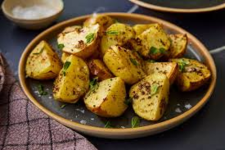
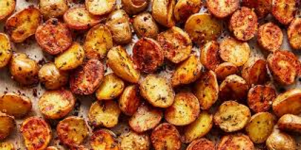
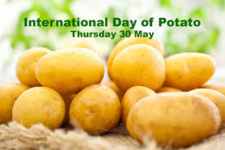
International Potato Day mashes globally and across Australia each May 30.

Yes, it’s time to celebrate one of the world’s most versatile and important foods. Baked, boiled, steamed or fried... today we celebrate the mighty potato!

Officially established by the United Nations, the day celebrates the crop's vital role in food security, agricultural livelihoods, and global nutrition; but really, and especially for us Aussies, it’s to recognise the potato as the third most-consumed crop globally and a vital source of food security for over one billion people.

The potato's global impact is staggering. Potatoes have been cultivated for over 8,000 years.
They are currently grown in 159 countries. From smallholders farming heirloom varieties by hand in the Andes to vast, mechani commercial farms in Australia, the potato is a true global hero.

Australians love “The Good Carb.” Potatoes are an absolute household staple. They are currently the second most-purchased vegetable in the country. According to data, 87% of Australian households buy potatoes, taking home an average of 1.63 kilos per shopping trip.

But they aren’t just popular; they are a nutritional powerhouse. WA Potatoes promotes the potato as “The Good Carb” because it is:
  • Good for your body: Naturally low in calories and packed with high-quality fibre, vitamin C, and potassium.
  • Good for the planet: Potatoes require fewer inputs (like water and fertiliser) to grow compared to many other staple foods.
  • Good for your budget: A highly affordable, nutrient-dense option that feeds the whole family.
Within Australia:
  • National Focus: Industry bodies like Potatoes Australia and AUSVEG lead annual campaigns highlighting locally grown produce.
  • Regional Campaigns: In Western Australia, WA Potatoes heavily promotes the crop as "The Good Carb," often running competitions, giveaways, and consumer health campaigns.
  • Industry Facts: Australia produces nearly 1.5 million tonnes of potatoes annually, with a massive production hub in states like Tasmania and WA.
  • Research & Development: The day is also used to highlight major scientific initiatives, such as University of Tasmania spud research, focusing on soil health and disease testing.
International Day of Potato is a huge recognition for a crop that delivers so much to so many people. Potatoes are not only healthy. They are also a budget-friendly option that everyone can enjoy, while using less inputs to grow than many other foods.

How you prepare a potato is just as important as the type you choose:
  • Boil Instead of Bake: Boiling causes less starch gelatinization, keeping the GI lower. Baking (especially Russet potatoes) creates a very high GI.
  • Chill for "Resistant Starch": Cooking potatoes and then cooling them in the fridge (like in a potato salad) changes the starch structure. This creates resistant starch, which slows down digestion and curbs glucose spikes.
  • Keep the Skin On: Potato skins are full of fiber, which helps regulate how quickly your body absorbs sugar.
  • Add Acid & Protein: Pair your potatoes with lean proteins or healthy fats, or use a dash of vinegar to further lower the meal's GI.
  • Avoid Heavily Processed Options: Always limit or avoid mashed potatoes, french fries, and instant mashed potatoes, as they cause immediate blood sugar spikes.
For diabetics, the best potatoes are those with a lower Glycemic Index (GI) and higher fibre content. Top choices include sweet potatoes (especially orange varieties), purple potatoes, red potatoes, and specific low-GI white varieties. These options cause a slower, steadier rise in blood sugar.


Fun Facts about Potatoes:
  • The French name for potatoes, pommes de terre, literally translates to “earth apples”
  • Space Spuds: In 1995, the potato became the first vegetable ever grown in space.
  • The potato is the world’s fourth largest food crop, following rice, wheat, and maize.
  • A potato has more potassium than a banana!
  • Broadly, 35% of a potato crop is turned into french fries, 28% is used for fresh, and 13% goes to chips and the rest to the markets
  • A potato is about 80% water. That seems crazy for as heavy as they are but it’s true!
  • Every year enough potatoes are grown worldwide to cover a four-lane motorway circling the world six times.


“Stay grounded, like a potato”

“Just another day in spud paradise”

“Life is short - eat the fries”

"A day without potatoes is half-baked"


1780093684958.png


1780094009625.png


1780094098043.png


1780094132184.png
 
Maybe it’s the Irish in me but there is nothing better than a crunchy baked potato with a good roast. I love my spuds but I think it is criminal when I see American Thanksgiving etc meals served with mashed potatoes….. no stop it…mashed potatoes are lovely but do not belong with a roast & that is a hill I am prepared to die on.
 
Maybe it’s the Irish in me but there is nothing better than a crunchy baked potato with a good roast. I love my spuds but I think it is criminal when I see American Thanksgiving etc meals served with mashed potatoes….. no stop it…mashed potatoes are lovely but do not belong with a roast & that is a hill I am prepared to die on.
Great for dinner but also superb for the next morning's breakfast, sliced and fried with bacon, scrambled egg and rice on toast.
 
International Hamburger Day grills its way onto our calendars each May 28.

Our most popular comfort food steps up today. Just the very mention of a ‘burger and everyone knows what it is, how it looks and what it tastes like. And today is all about the ‘burger!

The truth is, a burger is a universal food; it’s a food that has many forms; it’s a food that brings people together, and ultimately, it’s loved.

Hamburgers have come to be a symbol of all that is right in the world in the modern-day. Barbecues where families gather, surprise rewards by your boss, a quick bite to eat on your lunch break, or the first date shared with a new potential partner.

All of these things can, and often do, include the hamburger in any one of a million of its potential preparations.

We Aussies take our hamburgers very seriously, often ordering a unique, towering creation known as a "Burger with the Lot". This iconic meal is a staple of local culture, traditionally served at local fish and chip shops, corner take-away joints, and pub beer gardens. What truly sets an Australian burger experience apart is its specific, unconventional combination of toppings that can surprise visitors.

A “real” Aussie hamburger is heavily loaded, messy, and stacked with specific layers:
  • The Mandatory Base: A grilled beef patty, melted cheese, lettuce, and tomato.
  • The Sweet Elements: Slices of pickled canned beetroot (essential for authenticity) and a grilled canned pineapple ring.
  • The Savory Extras: Crispy bacon and a fried egg (ideally cooked sunny-side up with a runny yolk).
  • The Sauce: Strictly tomato sauce or barbecue sauce.
  • And best with a sides of chips and something refreshing to wash it down.
Chefs say the ideal patty uses an 80/20 ground beef ratio (80% meat, 20% fat). This balance keeps it juicy without being overly greasy. Cooking techniques like searing at high heat and resting the patty before serving ensure maximum flavour.

Burgers are one of the simplest and most popular barbecue meals. They are a classic choice for hot summer days, weekend gatherings, or any day actually. The burger symbolizes carefree, fuss-free dining. It is commonly eaten out on the beach, at a picnic, or anywhere.

Australians consume an estimated 120 hamburgers per person every year, placing the country second in the world for per capita burger consumption - just behind the United States. With a population of over 27 million, this translates to an astronomical total of roughly 3.2 billion hamburgers eaten nationwide annually.

Teenagers and young adults consume burgers at higher rates than any other demographic, with teenagers averaging between 30 and 100 burgers yearly depending on the age group.

McDonald's (Macca's) serves over 1.2 million Australians every single day. A massive portion of their domestic beef supply - around 36 million kilograms annually - is dedicated to iconic menu items like the Big Mac and Quarter Pounder.

Research shows that fine dining in Australia only accounts for 3 per cent to 5 per cent of all restaurants. On average, Australians eat out 3.5 times a month and buy takeaway food 4.1 times. The BIG dollar value is spent in fast foods, of which the MIGHTY burger reigns supreme.

And our burgers are no longer are made from just beef! These days you can find Turkey Burgers, Buffalo Burgers, Chicken Burgers, Emu Burgers, and even popular vegan burgers – plant-based burgers have grown in popularity due to environmental and health concerns.

Diabetics can even eat hamburgers! The key is making smart choices to balance your blood sugar. By customizing your bun, meat, and toppings, you can enjoy a delicious burger without spiking your glucose levels.

The concept of ordering your burger and then simply eating it has changed dramatically over recent times, thanks to social media. Now, you order, receive your meal, capture it on your phone’s camera, share it on social media and then dig in. After tucking down on the meal, it is most likely you’ll leave your feedback on the café or restaurant’s social media pages for all to see. While it sounds confronting, those competing in the burger market insist it has actually helped boost their business, and given them the exposure they had been searching for over the years.

OK, I’ll just open the phone now – I’m about to eat my burger!
But trends fade.
Burgers are forever.


Fun Facts about Hamburgers:
  • If you order an authentic burger with the works”, it will come with a slice of beetroot. Legend says this quirky addition started as a prank played on the US Army during the 1940s.
  • The Economist famously uses the price of a McDonald's Big Mac in different countries to measure purchasing power around the world, creating the well-known "Big Mac Index".
  • The record for the most hamburgers eaten in three minutes is 12, and it was achieved by Takeru Kobayashi of Japan in 2014.
  • Burgers come in countless variations worldwide. Some unique examples include the ramen burger (with ramen noodle buns), the doughnut burger (with doughnuts as buns), veggie burgers, fish burgers, and the surf ‘n’ turf burger (combining seafood and beef).


“Calories don’t count if they’re shared with fries”

“The secret ingredient is always cheese”

“When in doubt, add bacon”

“Keep calm and lick the sauce”


View attachment 38188


View attachment 38189


View attachment 38190


View attachment 38191
It made me think of the good old local Milk Bar, getting a burger with the lot 🙂 Life was simpler back then.
 
Save Your Hearing Day echoes onto our calendars each May 31.

Today is all about taking the time to learn about hearing loss and how it can be prevented.

A lot of people do not realize that they are causing damage to their ears. This is why it is important to learn about the different things that can cause hearing loss over time.

Our hearing is critical, and there are a number of things that we can do to reduce the chances of hearing loss.

Hearing loss in Australia touches more people than you might realize:
  • One in six Australians currently suffer from hearing loss. This number is expected to rise to one in four by 2050, thanks to an ageing population and an increasing amount of people being exposed to dangerously loud noise.
  • Only one in five Australians who could benefit from a hearing aid actually use one.
  • While most hearing loss is a result of ageing or genetics, one third of people acquire their hearing loss through preventable means.
  • One in three people over the age of 50 suffer from hearing loss. This number rises to one in two after the age of 60.
  • The average age of people with hearing loss who access hearing services via the Commonwealth Government is 79. This is concerning considering that half the Australians with hearing loss are younger than 65.
  • Employment rates for people with hearing loss are 20.5% lower for men and 16.5% lower for women.
  • A person with untreated hearing loss earns an average of $10K less than people with no hearing loss or treated hearing loss.
  • Hearing loss costs Australians a staggering $11.75 billion annually in lost productivity and other impacts.
( ***Source: Hearing Care Industry Association***)

There are several different signs and symptoms that you can look out for if you are worried that you or someone you love is experiencing hearing loss. This includes the following:
  • Needing to concentrate hard to hear what other people are saying, which can be stressful and/or tiring
  • Watching television or listening to music loudly
  • Asking people to repeat themselves
  • Having difficulty hearing what other people are saying clearly
  • Misunderstanding what others have said.
There are several different things that you can do to prevent hearing loss. This includes the following:
  • Take precautions when you are at work. This includes wearing hearing protection, making sure you are not exposed to loud noises for long periods of time, and switching to quieter equipment if possible.
  • Protect your hearing when at a loud event. When at a loud event, for example, a sports event or a music gig, you should give your hearing about 18 hours for recovery afterward. You should also try to take a break from the noise every 15 minutes and don’t stand next to the source of the noise, i.e. speakers.
  • Avoid loud noises – The best way to protect your hearing is to avoid loud noises. A noise is probably loud enough to cause hearing damage if you have a ringing in your ears after, it hurts your ears, you can’t hear what people are saying nearby, or you need to raise your voice to talk to others.
The World Health Organization estimates that over 1.5 billion people globally live with some degree of hearing loss, and nearly 1 billion young people are at risk of preventable, noise-induced hearing loss from unsafe listening practices such as loud music and personal audio devices.

Research has linked midlife hearing loss with a higher risk of dementia later in life. A large Lancet Commission report identified hearing loss as one of the most significant potentially modifiable risk factors for dementia, suggesting that protecting hearing or treating hearing loss with devices like hearing aids could help reduce cognitive decline for some people.

Experts suggest that there are “5 Ways to Protect Our Ears Daily.”
  • Control the Volume: Turn down the TV and music. If you can’t easily hear someone talking to you from away, the background noise is too loud.
  • Wear Ear Protection: Use earplugs or earmuffs at live events, while using power tools, or if working in a noisy environment.
  • Take Listening Breaks: Give your ears time to recover after extended periods of loud sound exposure.
  • Be Mindful of Medications: Some drugs (like certain antibiotics or pain relievers) can be harmful to your hearing. Always check with your doctor or pharmacist.
  • Keep Ears Clean & Dry: Moisture encourages infections. Dry your ears gently after swimming, and never poke cotton buds into your ear canal.
Taking care of our hearing should be a lifelong commitment. Whether it’s making simple adjustments to protect our ears or seeking professional care, each step plays a role in ensuring your hearing remains healthy.

If we’re struggling to hear, we should reach out for support. Untreated hearing loss can lead to frustration, anxiety, and depression. We need to prioritise our hearing health, so we can continue to connect with the world around us.

Modern hearing aids are small in size, practically “not seen,” and even have AI modifications – and all with possible government discounts via pensions and other categories. Reputable audiologists can offer the best hearing solutions that might suit you personally.

Hear Ye!

Hear Ye!

Simply, listen up!


"Hearing protection is a sound investment"

"Protect your ears today, so you can hear tomorrow"

"Hearing is one of our gifts. Protect it before the silence becomes your only companion"

"The thing about hearing loss is that no one can see it”


1780188924763.png


1780188946130.png


1780188960859.png


1780188977851.png
 
International Doodle Dog Day wags its tail onto our calendars each June 1.

Fluffy coats, happy paws, and bouncing steps fill the world of International Doodle Dog Day. This joyful day celebrates doodle dogs—playful mixes like goldendoodles, labradoodles, and Aussiedoodles.

Their soft fur and bright eyes pull people in wherever they go. Known for their sweet nature and lively charm, these dogs turn everyday moments into little bursts of happiness.

Beyond all the fun, the day honours the strong bond doodles share with their people. Many doodles bring comfort as therapy dogs, offering quiet support with a simple cuddle. Their sharp minds and eager hearts make them quick to learn and easy to love.

International Doodle Dog Day invites everyone to pause, smile, and treasure the loyal, loving spirit packed into every fluffy friend.

Doodle or "oodle" dogs are incredibly popular here in Australia, blending the intelligence and low-shedding coats of Poodles with the sweet temperaments of other beloved breeds. The most common types include Cavoodles (Cavalier King Charles Spaniels), Groodles (Golden Retrievers), Labradoodles, and Spoodles (Cocker Spaniels). These breeds are loved for their gentle nature, intelligence and suitability for family life.

Their brains run fast and hot. They are not stubborn. They are switched on. A treat and a clicker will teach your Doodle useful cues: sit, down, come, leave it.

Recent breed data shows a dominance of Poodle-crosses in the puppy list. While the Cavoodle is the undisputed king by numbers, the Spoodle has cracked the Top 10 for puppies but hasn't yet made the overall top dogs list. This suggests a significant surge in recent popularity.

Nearly half of Australian households (49.3%) own at least one dog — about 5.24 million homes with around 7.3 million pet dogs nationwide.

Australians spent $21.3 billion on pets in 2025, with the average dog-owning household spending around $2,520 a year.

Preventive care fundamentals are strong: 96% of dogs vaccinated, 87% microchipped, 74% desexed.

Adoption demand is cooling and RSPCA shelter intake is falling — most pandemic-era adoptions have stuck.

There are estimated to be hundreds of thousands of "doodle" or "oodle" dogs in Australia. Poodle-crosses are currently the most popular dog type in the country, with the Cavoodle officially named as Australia's favourite dog breed.

Among our favourite doodles, we have:
  • Cavoodle: A mix of a Cavalier King Charles Spaniel and a Poodle. They are small, affectionate, and perfect for indoor companionship or apartment living. They are Australia’s most adored designer breed, celebrated for their trainability, soft coats, and gentle, affectionate personalities.
  • They are an ideal pet for both first-time and experienced dog owners and make a perfect indoor companion. They are small and adorable dogs with low-shedding coats, so they are a good choice for allergy sufferers.
  • Groodle (Goldendoodle): A cross between a Golden Retriever and a Poodle. They are highly social, gentle, and make fantastic family pets. They are one of Australia’s most adored companion breeds - intelligent, gentle, playful and wonderfully intuitive. They are ideal family companions and support dogs. These dogs are also especially known for their softness, low-shedding qualities and classic teddy-bear appearance.
  • Labradoodles - these furry companions are not just adorable but incredibly fun-loving. With their playful and friendly nature, labradoodles bring boundless joy to any home. Whether it's a game of fetch in the backyard or a leisurely stroll in the park, these pups are always up for an adventure. Their clever minds make training a breeze, and their hypoallergenic coats mean less sneezing and more snuggles. A labradoodle is not just a pet; it's a lifelong source of happiness and laughter, the perfect addition to any family looking for a loyal, lovable, and fun-filled furry friend.
  • Spoodle (Cockapoo): A cross between a Cocker Spaniel and a Poodle. Known for being energetic, loyal, and easily trainable.
  • Moodle (cross Maltese x Poodle) – loyal and loved by their owners.

Because Doodles are a crossbreed, they are not recognized by official kennel clubs like the Australian National Kennel Council (ANKC). Prices for puppies vary depending on the breeder and size but can range anywhere from $3,500 to well over $5,000. Their luxurious coats also require regular professional grooming to prevent matting.

But the $$$ cost is only a smidgen of the story.
What about the priceless unconditional love factor?

Like all dogs, these doodle dogs communicate love through specific actions - like giving you long, loving gazes, leaning their body weight against you, raising their eyebrows when they see you, and bringing you their favourite toys. Just like another child …......


Fun Facts about Doodle Dogs:
  • The first documented Labradoodle was bred in 1989 by Wally Conron for the Royal Guide Dog Association. The goal was to create an allergy-friendly guide dog for a vision-impaired woman.
  • Because Poodles are ranked as the second most intelligent dog breed, Doodles are quick learners. They often learn to solve puzzles, open doors, and pick up commands with ease.
  • Thanks to their retrieving ancestry, many Doodles are natural, enthusiastic swimmers and love playing in the water.
  • Due to their gentle, social, and calm nature, Doodles are frequently trained to work as therapy and emotional support dogs in hospitals and schools.


"Every time I look at my Doodle’s messy hair, I see pure happiness"

"Part Poodle, part teddy bear, all love"

"World's fluffiest best friend"

"First he stole my heart, then he stole my bed"


1780260584848.png


1780260600085.png


1780260614212.png


1780260627017.png
 
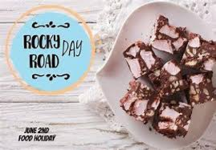
Rocky Road Day sweetens our calendars each June 2.

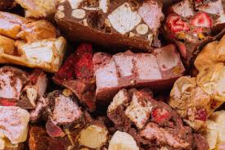
Today is all about the indulgence that is Rocky Road in all its varieties. Our beloved Australian Rocky Road is a decadent, no-bake slice made by binding melted chocolate with marshmallows, peanuts, coconut, and – uniquely - chewy red raspberry lollies or Turkish delight.

If there’s one timeless treat that evokes nostalgia in Aussie hearts, it's rocky road. With its irresistible blend of rich chocolate, fluffy marshmallows, crunchy nuts and chewy extras, rocky road isn’t just a sweet slice; it's a beloved part of Australia’s food story. Whether you enjoy it as a homemade slice, a festive favourite at Christmas, or an indulgent dessert treat, rocky road has earned its place as a classic.

Traditionally, our famous Rocky Road choccy is always popular at fetes, fairs and school cake stalls.

Rocky road is easy to make and doesn't need any fancy tools or baking. All you need to do is melt chocolate, mix in your ingredients, pour it into a tin, and let it set in the fridge. It’s quick, affordable and fun to customise. It’s also a popular choice for gifts, bake sales and holidays. You can wrap it up in cellophane or put it in a small box and it’s ready to give.

Unlike American rocky road (which is typically an ice cream flavour), the Australian delicacy is always a solid slice. A traditional mix includes:
  • Chocolate: High-quality milk or dark chocolate is used as the base.
  • The "Chunky Bits": Fluffy marshmallows and crunchy roasted peanuts.
  • Aussie Twists: Shredded coconut, and chewy red raspberry lollies or Turkish delight pieces.
Over generations, and right to our present day, confectioner Darrell Lea is famous for their Rocky Lea Road. Darrell Lea’s version, a rich combination of toasted marshmallows, roasted peanuts, coconut and milk chocolate, quickly became synonymous with what many Australians recognize today as the classic rocky road.

While historical records vary on whether this was the very first commercial rocky road in Australia, there’s no doubt Darrell Lea helped popularize the treat and cement it in Aussie culture.

So what is it about rocky road that keeps Australians coming back for more?

Rocky road offers a playful contrast of textures – soft marshmallow, crunchy nuts, and smooth, rich chocolate in every bite. It’s that mix of chewy, crunchy and creamy that keeps it standing out from other sweet treats.

One of the best things about classic rocky road is that it doesn’t require fancy baking skills. It’s a no-bake dessert that’s quick and easy to make, perfect for school fundraisers, potlucks, or just a weekend afternoon in Victoria with a cuppa.

For many families, rocky road is nostalgic. Whether it’s cutting squares during the festive season, or passing down grandma’s recipe, it’s deeply woven into family traditions and memories.

Today, rocky road continues to evolve. Creative variations include everything from salted caramel rocky road to gourmet inspired versions with Turkish delight, raspberries or pistachios. But no matter how it’s reinvented, the heart of the treat stays true: rich chocolate combined with tasty extras that surprise in every bite. And there’s even vegan/modified rocky road if your palate is so inclined…..

In response to how much Rocky Road is eaten, industry data indicates that we Aussies consume roughly 6 kilograms of chocolate per person annually (totalling over 163,000 tonnes), with a significant portion of this eaten during the festive season when rocky road peaks in popularity. Perhaps this question should have been asked of dentists?

Not all roads are straight. But the fun ones are the Rocky Road variety …..


Fun Facts about Rocky Road:
  • Rocky Road gets its name from both literal travel conditions and the bumpy, textured look of the dessert itself.
  • Because you usually don't have to bake it, you can put almost anything in Rocky Road! Kids often love tossing in crushed biscuits, popcorn, gummy lollies, and even breakfast cereal to give it an extra crunch.
  • The earliest Rocky Road choccy desserts originated in Australia in 1853, famously created by mixing spoiled European chocolates with local nuts to salvage the sweets. In 1955, Australian confectioner Darrell Lea popularized the modern mass-market chocolate bar known as "Rocklea Road" using a blend of toasted marshmallows, roasted peanuts, coconut, and milk chocolate.


“I got over my addiction to chocolate, marshmallow, and nuts - I won’t lie, it was a rocky road”

"I almost choked on a carrot today. All I could think was, Rocky Road would have never done this to me."

"I’d give up Rocky Road choccy, but I’m not a quitter"

"Life is short. Eat the Rocky Road first."


1780348391510.png


1780348409600.png


1780348442485.png

1780348811257.png


1780348461881.png
 
Back
Top