And today is .......

Champion @krissy - your grandfather is one of the many Australian legends who have shaped our great southern land and its magnificent history.
Here's a tad more .....


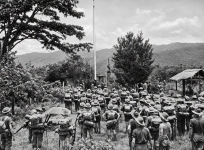
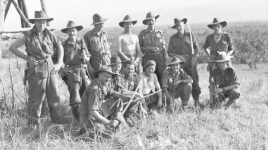
Today we remember the charge of Beersheba by the Australian Light Horse during the third Battle of Gaza in Palestine.
As dusk fell on 31 October 1917, the 4th Light Horse Brigade, bayonets in hand, launched a horseback charge to seize control of the crucial town of Beersheba from the Ottoman Empire.
It was a vital component of the Allied forces' campaign to secure the Sinai Peninsula and ensure the shipping corridors along the Suez Canal remained open to Britain and its allies.
It is remembered as the last great cavalry charge and heralded the beginning of the end for Ottoman control of Palestine and ensured the name of Beersheba would be forever remembered in Australian history because of its daring cavalry charge.
The 4th Light Horse Brigade suffered a total of 35 killed and 39 wounded; of these, the 12th Light Horse Regiment suffered 20 killed and 19 wounded.
Lest we forget
🌺


View attachment 45990


View attachment 45991


View attachment 45992
It was crazy thinking that so few were killed being totally unprotected facing machine guns, artillery fire and infantry fire and then hand to hand combat once they dismounted
 
Yes it would have taken a different type of Bravery to have fought in any war , but particularly WW1 and WW2
The crazy part was he lied about his age to enlist. They wanted good horsemen & the boys from country towns that had ridden all their lives were exactly what they needed. To a lot of them they thought they were off on the adventure of a lifetime, they had no idea of what lay ahead of them.
 
The crazy part was he lied about his age to enlist. They wanted good horsemen & the boys from country towns that had ridden all their lives were exactly what they needed. To a lot of them they thought they were off on the adventure of a lifetime, they had no idea of what lay ahead of them.
Yes ....my Grandfather was in WW2 ....but he had probably the most bizarre role you can imagine
He was in the RAF , and his job was in reconnaissance planes drawing the German cities they would bomb
He was a talented artist as you can imagine
 
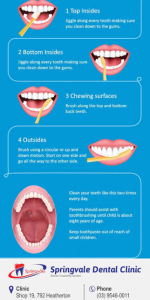
Today is National Brush Day which promotes children's oral health and good brushing habits.

Following Halloween, this day serves as a vital reminder to prioritize brushing, flossing, and regular dental check-ups.

Educating our children with fun dental facts and engaging activities to make dental care a positive habit for life are all wrapped into the message of the day.

Oral hygiene is where good health meets smiles that ooze confidence.
Proper brushing technique is key.

Brushing your teeth regularly is essential for preventing tooth decay, halting gum disease, and protecting your body from serious systemic health conditions. Maintaining a consistent oral hygiene routine removes food particles and disrupts biofilm—a sticky, invisible layer of bacteria that rapidly develops into plaque and hardened tartar.

  • Prevents Cavities: Bacteria in your mouth feed on leftover food sugars and produce acids. These acids dissolve the hard outer enamel, causing cavities. Brushing with a fluoride toothpaste clears away bacteria and strengthens enamel.
  • Wards Off Gum Disease: Plaque buildup along the gumline causes gingivitis, marked by red, swollen, or bleeding gums. Left untreated, it can progress to periodontitis, which destroys the bone structure supporting your teeth and causes tooth loss.
  • Eliminates Bad Breath (Halitosis): Regular brushing removes decomposing food particles and odour-producing bacteria from your teeth, gums, and tongue.
  • Removes Stains: Daily brushing mechanically dislodges surface stains from food and drinks, keeping your smile brighter.
  • Saves Money: Investing a few minutes a day into basic hygiene protects you from the discomfort and high costs of extensive dental procedures like fillings, root canals, and extractions.

Oral health is deeply connected to your entire body. When bacteria and chronic inflammation overwhelm your gums, they can enter the bloodstream and impact other systems:

Lowers Heart Attack & Stroke Risks: Chronic oral inflammation can contribute to the narrowing of blood vessels and increase cardiovascular risks.

Protects Lungs from Pneumonia: Medical research confirms that regular toothbrushing significantly reduces hospital-acquired pneumonia and ICU mortality by preventing oral bacteria from being accidentally inhaled into the airways.

Aids in Diabetes Management: Gum disease can worsen full-body inflammation, which elevates insulin resistance and makes blood sugar harder to control.

Dentists recommend the 3-3-3 brushing method ie brushing one's teeth 3 times per day, within 3 minutes after having a meal, for at least 3 minutes each time – maybe even to the beat of a favourite song to encourage the fun/effort of the brushing.
  • Brush your teeth twice a day with fluoride toothpaste.
  • Clean between your teeth daily using floss or interdental brushes.
  • Eat a healthy, balanced diet with low added sugars.
  • Visit the dentist regularly for check-ups.

Best Practices for Effective Brushing

To maximize these benefits, here are simple, everyday strategies:
  • Frequency: Brush thoroughly twice a day (morning and night) for at least two minutes each time.
  • Tools: Use a soft-bristled toothbrush (manual or electric) and a pea-sized amount of fluoride toothpaste. Replace your toothbrush or brush head every 3 to 4 months.
  • Technique: Tilt the bristles at a 45-degree angle toward your gumline and brush gently in small, circular motions.
  • Spit, Don't Rinse: After brushing, spit out the excess toothpaste but avoid rinsing with water. Leaving a trace layer of toothpaste allows the fluoride to continuously protect and strengthen your enamel.
Toothpastes provide protection against seven common oral health issues: bad breath, cavities, enamel erosion, tartar, plaque, teeth stains, and bacteria on gums – all the nasties.

Your toothpaste ensures powerful antibacterial effects, helping to reduce plaque, freshen breath, fight bacteria on gums, and tartar build-up.

Wake. Brush. Slay. Repeat.
I brush therefore I am.
No brush, no glory!


1793480656076.png


1793480679955.png


1793480740268.png


1793480755030.png
 
Colour the World Orange Day is a vibrant and meaningful event celebrated each November 2.

This day aims to raise awareness about Complex Regional Pain Syndrome (CRPS), a chronic pain condition that is often misunderstood.

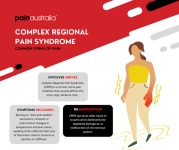
CRPS is a is a pain condition that most often affects one limb usually after an injury, trauma or surgery and is characterised by severe burning pain out of proportion to the original injury. CRPS is believed to be caused by damage to, or malfunction of, the peripheral and central nervous systems.

By wearing orange and engaging in related activities, participants help shine a light on the struggles faced by those living with CRPS.

The colour orange symbolizes hope and resilience, making it a fitting choice for this important cause.

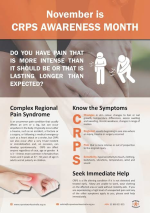
CRPS is a condition that can develop after an injury, causing severe, long-lasting pain. Many people are unaware of CRPS, which is why Colour the World Orange Day is crucial.

It helps educate the public about the condition and the challenges patients endure. Increased awareness can lead to better support and more research funding, which is desperately needed to improve treatments and find a cure.

Supporting Colour the World Orange Day also provides a sense of community and solidarity for those affected by CRPS. It shows them they are not alone in their fight.

By participating, individuals and organizations can offer comfort and encouragement to CRPS patients while also advocating for more attention to this painful condition.

Here in Australia, the major advocacy group assisting people with CRPS is The Purple Bucket Foundation Inc. Details of this marvellous support group can be found at:

https://www.tpbf.org.au/

Complex Regional Pain Syndrome (CRPS) – also known as Reflex Sympathetic Dystrophy (RSD), is a debilitating nerve condition characterized by continuous, intense, burning pain that is out of proportion to the severity of the original injury.

Approximately 5,000 Australians are diagnosed with Complex Regional Pain Syndrome (CRPS) each year.

Because CRPS is a chronic, long-term condition that can last for years or become permanent, estimating the total number of people living with it at any given time is difficult. However, epidemiological models and major pain organisations provide a clearer picture of its impact in Australia:

  • Annual Incidence: Around 5,000 new cases are identified annually across the country. Data compiled by Painaustralia and the International Association for the Study of Pain (IASP) indicates that CRPS affects roughly 1 in every 3,800 to 4,000 people per year.
  • Estimated Total Prevalence: Because the condition often persists, experts use a standard baseline multiplier to estimate total active cases. This puts the number of Australians living with CRPS at any one time at approximately 25,000 people.
  • Demographics: The condition is considered rare but highly debilitating. In adults, females are 3 to 4 times more likely to develop CRPS than males, with a peak onset typically occurring between the ages of 37 and 50.

CRPS Network Australia have been working hard to raise awareness of this little-known disease hoping to reduce diagnosis times and improve outcomes for affected Australians. This is a serious pain condition that turns people’s lives upside down, forcing them from work, away from friends and family and surrounded by feelings of desperation and depression in the face of constant pain.

If CRPS is not diagnosed and treated early, there is a high likelihood that it will go on to be a chronic (lasting more than 6 months), progressive disease which is often associated with substantial disability, loss of quality of life and significant personal and societal economic burden.

33 landmarks around the country have been lit in orange lights in support of this campaign.

Patients, advocates and supporters have also been dressing in orange and posting photos to social media; information booths have been held in shopping centres, medical clinics and hospitals, and there’s also a drift car carrying an awareness message around Barbagallo race track in Perth.


This year, should you know anyone affected by CRPS, simply reach out, support and be there – this is a pain that is unforgiving and relentless,

Patient care is the only route to a better outcome.


1793569630876.png


1793569645187.png


1793569662757.png
 
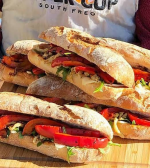
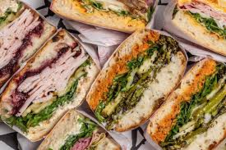
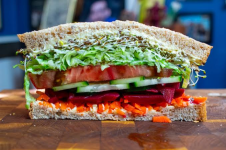
National Sandwich Day slices onto our calendars each November 3.

The day commemorates the invention of the sandwich by John Montagu, the 4th Earl of Sandwich, in the 18th century. But in real terms, it's a day to celebrate the sandwich's versatility and convenience, with many people enjoying different types of sandwiches throughout the day.

Australia has a rich and unique sandwich culture that spans humble school lunchbox staples, iconic pub classics, and a booming modern gourmet deli scene.

Sandwiches are immensely popular her in Oz because they sit at the perfect intersection of convenience, nostalgia, and a deeply entrenched multicultural food culture. Once regarded primarily as a humble, utilitarian lunchbox staple, the Australian sandwich (or "sanga") has evolved into a massive, multi-million-dollar gourmet culinary boom.

According to national food trends and data tracking, the top every day and cafe sandwich preferences lean heavily toward steak, club sandwiches, tuna, ham, and egg salad, alongside traditional comfort options like chicken and mayo.

The Australian sandwich shop market - valued at over $1.4 billion - has evolved far past traditional milk bars and basic school lunches. Cities like Sydney, Melbourne, Brisbane, and Perth feature specialty delis and bakeries serving high-end schiacciata, porchetta rolls, katsu sandos, and gourmet baguettes.

As consumers continue to move away from deep-fried foods and shift their eating habits to fresher alternatives, it’s no wonder the sandwich industry is growing across Australia.

Sandwiches used to be viewed as a traditional school lunch that was quick and simple to make and enjoy. But as more Australian workers continue to eat their lunches at their desk, they are reverting back to the simple, yet tasty option – but this time round buying them pre-made.

Vegemite is regarded as Australia’s go-to spread. So, it’s not shocking that our almighty Vegemite Triple Decker is renowned across the globe. With three slices of buttered fresh bread, layered with tomato, ham, lettuce, finished with a spread of cream cheese and Vegemite. The simpler option, a standard Vegemite and Cheese Sandwich is also, always a crowd pleaser.

Australia's diverse immigration history has completely transformed the traditional British-style white-bread sandwich. Global culinary traditions have been enthusiastically integrated into the local food scene, giving rise to iconic variations:

  • Bánh Mì: Since arriving with Vietnamese refugees in the 1980s, the bánh mì has become an absolute national obsession. Its balance of crispy French baguette, rich pâté, fresh herbs, and affordable price point cemented it as a lunchtime favorite.
  • Continental Rolls: Hugely popular in Western Australia, these hefty sandwiches are built on crusty Italian bread and packed with mortadella, coppa, salami, and pickled eggplant.
  • Gourmet Shiacciata: Global expansions from legendary international sandwich institutions like Florence's All'Antico Vinaio into Sydney highlight the massive local demand for high-end European styles.

During times of economic tightening, sandwiches experience a surge in popularity. When dining out at sit-down cafes becomes too expensive, consumers "trade down" to takeaway alternatives. A premium $15–$18 sandwich feels like a substantial, chef-quality meal at a fraction of the price of a standard restaurant main, making it a highly appealing everyday luxury.


What’s your favourite sandwich?

Does the bread type matter?
Plain or toasted?

Guess what?
All answers are correct!

Mine varies by the day, pretty much simple in ingredients, but it’s always hard to beat the steak sandwich!


Or cheese and tomato.
Or salad sandwich.
Or Ham sandwich.
Or grilled cheese sandwich.
Or chicken and avocado sandwich.
Or roast beef and mustard sandwich.
Or pulled pork sandwich.
Or chicken and mayo sandwich.
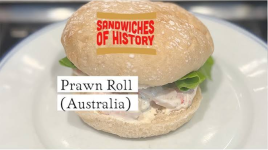
Or the always-popular prawn and mayo roll.
Or whatever jumps up at me, in the moment.
Just YUMM!


And remember to practice safe eating.
Always use condiments!


1793652103252.png


1793652127879.png


1793652152206.png


1793652180192.png
 
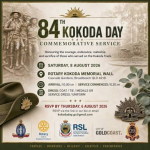
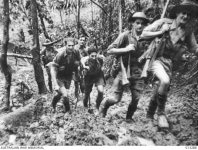
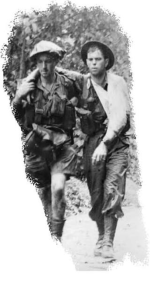
Today 3 November, is Kokoda Day, and explicitly honours the critical service and legacy of the Papuan wartime carriers - lovingly known as the "Fuzzy-Wuzzy Angels" - who worked alongside Australian soldiers during the Pacific campaign.

These local civilians carried vital supplies up the treacherous jungle tracks and safely evacuated wounded Australian soldiers. Because they were historically classified as civilian labourers, they never received official military medals or formal certificates of appreciation, making Kokoda Day an important event for preserving their legacy and rectifying historical oversights.

It serves to recognise their invaluable sacrifice, which historically lacked formal medals or official recognition, alongside the veterans who fought on the final defensive line.

  • The Anzac Legend: The campaign is celebrated for testing the endurance, courage, and mateship of young, underequipped Australian militia and AIF troops fighting through harsh tropical disease and mud.
  • The "Fuzzy Wuzzy Angels": Papuan New Guinean carriers and guides played an indispensable role in carrying food, building shelters, and evacuating wounded Australian soldiers down the track, forging a lifelong bond between the two nations.
  • The Kokoda Track campaign (July–November 1942) was vital to Australia because it stopped the Japanese army from capturing Port Moresby in Papua New Guinea and cutting off supply lines from the United States.

The Kokoda campaign cost Australians more than 600 lives, while several thousand were wounded and suffered from sickness and disease.

Lest we forget
1793652379077.png


1793652424179.png


1793652445672.png


1793657192547.png


1793652474039.png


1793652518627.png


1793652548410.png
 
Last edited:
The 2026 Lexus Melbourne Cup is the 166th running of Australia's most famous horse race, scheduled to take place on Tuesday, 3 November 2026 at Flemington Racecourse.

Known as the "Race That Stops a Nation," the 3,200-metre handicap spectacular features an eye-watering A$10 million prize pool (with $4.5 million going to the winner).

This legendary event is the heart of the Melbourne Cup Carnival, bringing together the best of horse racing, fashion, food, and celebration.

  • Date & Time: Today, being the first Tuesday in November, at 3:00 PM.
  • Location: Flemington Racecourse in Melbourne, Victoria.
  • Distance & Type: A 3,200-metre Group 1 handicap race open to horses aged three years and older.
  • Field Limit: A maximum of 24 runners.
  • History: First run in 1861 and won by Archer.
  • Public Holiday: Melbourne Cup Day is an official public holiday across Victoria.

Most Wins by a Horse: Makybe Diva won three consecutive years from 2003 to 2005.

Most Wins by a Trainer: Bart Cummings trained 12 winners.

Fastest Time: Kingston Rule set the record in 1990 with a time of 3:16.30.

First Female Winning Jockey: Michelle Payne won the race in 2015 aboard Prince of Penzance.

  • The Favourite: The UK-bred three-year-old colt Point Of Law (trained by Ciaron Maher and ridden by Ethan Brown) is the headline market favourite. He secured his top status following a dominant victory in the Geelong Cup.
  • The Main Contenders: Ireland's Trustyourinstinct (trained by Joseph O'Brien and ridden by superstar jockey James McDonald) is widely considered the biggest international threat. Other highly rated chances include Enfjaar and the local hope Chocolate.

And as they say: “Bet Responsibly.”


1793652735992.png


1793652754816.png


1793652791061.png
 

Staff online

Back
Top