Healthy Eating Day cooks onto our calendars each November 6.
This year's Healthy Eating Week message is “Inspiring a connected and nourished Australia.”
Food is more than fuel.
Food connects us. Food brings us together. Food helps us thrive.
Today, we’re celebrating
what we love about food from the people we share it with, to the cultures and traditions behind it, the places our food comes from and the ways food can support our well-being.
Food connects us - to culture, community, and nature.
Eat with Gratitude - appreciate where food comes from, the effort behind it, and the journey
from earth to plate.
Enjoy Eating Together - sharing meals nourishes us socially, culturally, emotionally and physically.
Mealtimes Matter - encourage conversation and connection, from the playground or workplace to the dinner table.
Grow, cook, share – Food brings us together. Plant something, cook with family and friends, or get children involved.
Nourish the Moment – slowing down, tasting and enjoying each mouthful.
Love new food
Trying new and different foods is a great way to add more variety, enjoyment and curiosity to the way we eat. It can be as simple as trying a new fruit, adding a different vegetable to a meal or exploring a dish from another culture. You don’t have to love everything you try but sometimes giving something new a go can help you discover foods and flavours you might not have chosen before.
- Different foods provide different nutrients, so variety can help us get a wider range of vitamins and minerals.
- You might find a new food, flavour or meal that you really enjoy.
- Trying new ingredients can help break up the usual food routine.
- Food is a great way to explore different traditions, cuisines and ways of eating.
- The more we are exposed to new tastes and textures, the more familiar they can become.
- Exploring the colour, smell, texture and taste of food can make eating feel more fun and engaging.
Exploring new foods can be a simple way to bring variety and inspiration into everyday meals. Trying a new ingredient, recipe, cuisine or way of preparing a familiar food can open up new flavours and ideas. Start with small changes and have fun experimenting with what works for you.
- Choose one new ingredient to try each week.
- Swap your usual vegetable, grain or protein for something different.
- Explore recipes from cuisines you do not normally cook.
- Try a familiar ingredient prepared in a new way.
- Visit a market or different section of the supermarket and choose something unfamiliar.
- Use herbs, spices and sauces to experiment with new flavours.
Travel through food
Food can be a wonderful way to explore different cultures, traditions and places. You can discover new flavours and ingredients by trying dishes from around the world, whether you cook them at home or enjoy them with family and friends.
Love what you grow
From seed to plate - discover the joy of growing your own food'
Growing your own vegetables is easier than you think! It’s fun, rewarding, and brings a real sense of accomplishment. It doesn’t take a huge backyard, either.
Even a small balcony or sunny windowsill can provide space for herbs, salad greens, or compact veggies. Growing food at home is something the whole family can get involved in, and it often makes kids (and adults!) more excited about eating their vegetables.
You can grow herbs, lettuce, tomatoes, carrots, the list goes on with little effort. By harvesting what you need, when you need it, your food is always fresh and nothing goes to waste.
Here are some quick and tasty ways to enjoy your homegrown produce:
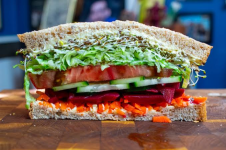
- Lettuce & Greens → Toss into wraps, DIY lettuce cups, add to pizzas, blend into smoothies, add to salads, or sandwiches
- Tomatoes → Slice onto toast, make a quick salsa, or roast for pasta
- Carrots → Eat raw with hummus, grate into savoury muffins, fritters, or salads, or roast with olive oil and herbs
- Zucchini → Grate into muffins, spiralise into zucchini noodles (“zoodles”), slice for stir-fries, or grill with cheese
- Mixed Herbs → Sprinkle over soups, curries, pasta, homemade pizza or make a pesto
Why snacks matter
Snacks aren’t just “fillers” between meals, they play an important role in supporting energy, focus, and well-being throughout the day. Choosing the right snacks can make a real difference in how we feel and function.
- Our bodies and brains run on fuel. Nutritious snacks provide steady energy, helping you stay alert at work, school, or during busy days.
- A balanced snack can improve concentration, memory, and mood especially helpful for kids at school or adults in the workplace.
- Snacking can be a pause to recharge, not just something you do on the run.
What makes a nutritious snack
To keep your body and mind fuelled throughout the day, a good snack should include three key components: carbohydrates, protein and healthy fats.
- Carbohydrates are the body’s main source of energy. When we eat complex carbohydrates like whole grains, fruits and legumes, they break down slowly to give you longer last energy. Without enough carbohydrates, it can be hard to focus, you might feel more tired and can’t exercise as well. So make sure your snacks include a carbohydrate to sustain you throughout the day. This could be: wholegrain bread or crackers, fruit (like an apple or banana) or oats.
- Protein is essential for building and repairing muscle and helping you feel full between meals. After exercise is a great time to include protein, as it helps our muscles recover and repair. Protein also helps keep us fuller for longer, so it’s a great component of an afternoon snack to keep you and your kids going until dinner time. Great sources of protein include: nuts, yoghurt, cheese, eggs and lean meats.
- Fats aren’t something to shy away from. They’re a great source of energy, help absorb certain vitamins and play an important role in heart health. Good fats can be found in: olive oil, oily fish like salmon or sardines, nuts or avocado.
- Staying hydrated is just as important as eating well. Water is the best choice to help keep us hydrated. Sports drinks and fruit juices are often very high in sugar and can be filling, which means people might miss out on essential nutrients from wholefoods. So fill up your water bottle and send one to school with your child to sip on throughout the day, especially when exercising.
Eating well isn’t about rules or restriction, it’s about building meals that nourish your body, give you energy and bring enjoyment to the table. Whether you’re cooking at home, packing a lunch or eating out, knowing how to put together a balanced plate can help you feel your best every day.
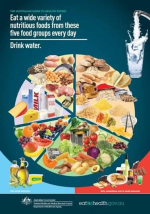
A balanced plate means getting the right mix of foods to give your body the nutrients it needs. Understanding the five food groups and how much to include of them each day can help you feel confident that your meals are fuelling you well and giving you the variety and flavour you deserve.
Balance is also about recognising that
some days will look different from others and that’s okay. What matters is your overall pattern of eating across the day, week and month, not whether every single meal ticks every box.
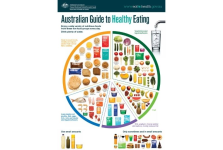
The Australian Guide to Healthy Eating is based on the Australian Dietary Guidelines and visually shows a daily pattern of eating that promotes good health. Built around five food groups, it provides a flexible framework to help you fuel your body, support your well-being and enjoy your meals.
View attachment 46269
How to build a balanced plate
The Australian Guide to Healthy Eating shows what a balanced
day of eating can look like to support health and wellbeing. But you don’t need to include every food group in every meal and snack to reach that goal. One simple approach is to use the framework below for your
main meals and then top up your intake of other food groups by adding to your main meals or with snacks throughout the day.
For main meals, aim to fill:
- ½ your plate with vegetables and/or legumes
- ¼ of your plate with wholegrains or cereal foods
- ¼ of your plate with lean meats and alternatives
This keeps your main meals balanced and satisfying.
Nutritionists recommend the 333 dietary method as a means to create a well-balanced day of food using 3 protein sources, 3 carbohydrate options, and 3 fat choices.
Eat a combination of different foods, including fruit, vegetables, legumes, nuts and whole grains. Adults should eat at least five portions (400g) of fruit and vegetables per day.
By crafting all your meals using only these specified food items, you can start small and build (or rebuild) a great foundation of options that aid your nutritional goals.
#ConnectedandNourished
View attachment 46270
View attachment 46271