And today is .......

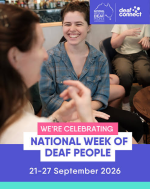
September 24 falls in the middle of International Week of Deaf People, a week-long national celebration of Deaf individuals and the Australian Deaf community. This includes celebrating the International Week of Deaf People (IWDP) and International Day of Sign Languages (IDSL) which are initiatives of the World Federation of the Deaf (WFD).

These two events are traditionally held during September and are based on the founding date of the WFD (23 September 1951). National Week of Deaf People is an opportunity for Deaf people to celebrate their communities, language, culture and history; make the public aware of their local, state and national Deaf communities; and to recognise their achievements.

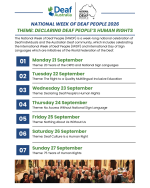
This year’s theme is "Declaring Deaf People’s Human Rights."

We adopt the World Federation of the Deaf’s daily themes for the International Week of Deaf People for use throughout NWDP.

The 2026 daily themes are:
  • Monday, 21 September 2026 | 20 Years of the CRPD and National Sign Languages
  • Tuesday, 22 September 2026 | The Right to a Quality Multilingual Inclusive Education
  • Wednesday, 23 September 2026 | Declaring Deaf People’s Human Rights
  • Thursday, 24 September 2026 | No Access Without National Sign Language
  • Friday, 25 September 2026 | Nothing About Us Without Us
  • Saturday, 26 September 2026 | Deaf Culture is a Human Right
  • Sunday, 27 September 2026 | 75 Years of Human Rights

On the International Day of Sign Language, the World Federation of the Deaf invites all public places, public landmarks and official buildings, Presidential houses, County buildings, City Halls, and others to be spotlighted in blue light. Highlighting the colour blue is a reaffirmation of our joint commitment to supporting national sign languages and showing solidarity with global deaf communities. Together, we can achieve human rights and a more equal society via the use of national sign languages in all areas of life.

The Blue Light Challenge is a unique opportunity for national governments to partner with their national associations of deaf people in achieving the human rights of their deaf communities.

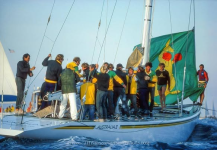
This year there is also a new global initiative: the Deaf Flag Raising. This symbolic action would consist of raising the Deaf flag in public spaces, deaf associations, schools, businesses, and government institutions to celebrate the deaf people and promote the visibility, recognition, and cultural heritage of deaf communities.

The Deaf Flag is a powerful symbol for deaf communities, representing unity, recognition, and the ongoing fight for equal rights. In 2023, the XX General Assembly of WFD officially approved the Deaf Flag.

Turquoise Blue represents the deaf community and Sign Language, pride and unity. Yellow represents the colour of light, an enlightened spirit, life and “thriving in unison”. Dark Blue represents the earth, humanity and living in accordance with the planet. It is also the color of the WFD, our logo is blue, we wear blue ribbons in support of deaf people, and deaf cultures all over the world recognize blue as representing deaf people. On the International Day of Sign Languages, we even celebrate by shining a blue light! Blue is deeply connected to the roots of the deaf community.

All of these colours together represent an awareness of humanity as inherently diverse, a diversity of peoples and languages on Earth. This flag shows that we are here, we belong to this world, we are a part of humanity. Deaf people are a part of a rich diversity that makes humanity better.

Hearing loss is more common than many people realise, with Ear Science Institute Australia research showing that 1 in 6 Australians experience some degree of hearing loss.

Hearing loss can be caused by:
  • genetics
  • complications during birth
  • premature birth
  • jaundice
  • infections or illnesses
  • chronic middle ear fluid.
And sometimes no cause is found.

Over 5.46 million Australians live with some form of hearing loss or ear disorder, making it one of the nation's most widespread health challenges, with prevalence projected to reach 1 in 4 people by 2050.

Prevalence and Demographics: Hearing loss is heavily linked to aging and noise exposure, affecting roughly 1 in 5 Australians currently. It disproportionately impacts older adults, men, and regional communities, with rates up to 10 times higher among Aboriginal and Torres Strait Islander populations.

Childhood Screening: Here in Australia, one out of every 1,000 children is diagnosed at birth with a permanent hearing loss, usually identified through newborn hearing screening. By the time they reach school age, 2 in every 1,000 children are diagnosed as having a hearing loss. This is because some cases of hearing loss develop after birth.

Hearing loss in children can develop at any time, even if they passed their newborn hearing screening. It can be temporary, caused by conditions like ear infections or wax blockage, or permanent due to illness, accidents, or genetic reasons.

When children have a hearing loss, they cannot hear certain sounds or parts of conversations. This depends on what type of hearing loss they have and whether it is mild, moderate, severe or profound.

Support and Funding Pathways: Eligible Australians—including pensioners, veterans, and young people under 26 - can access subsidized or free hearing services through the federal Hearing Services Program (HSP), while individuals with permanent and significant impairments may qualify for support via the National Disability Insurance Scheme (NDIS).

Prevention and Advocacy: The national peak body Deafness Forum Australia notes that up to 50% of hearing loss cases are entirely preventable through public education, workplace noise-safety standards, and early intervention.

So, IWDP is relevant to so many Aussies, and all those they connect with. This week promotes awareness related to sign languages and the people who use them. In addition, the desire is to create a society that has a greater understanding and embraces the diversity of everyone, including people who are deaf or hard of hearing.

So, we just need to listen up!


1790196268360.png


1790196291651.png


1790196317801.png
 
Redhead Appreciation Day curls onto our calendars each September 23.

Natural red hair is the rarest hair colour in the world, so it’s only natural that there’s a special day for this special hair colour.

Redheads in Australia make up an estimated 1% to 2% of the population, though some demographic reports put the concentration of people carrying the red-hair gene significantly higher at 6% to 8% due to deep historical Celtic roots.

This uniquely high concentration stems from early colonial history, when a massive number of Irish and Scottish convicts, rebels, and free settlers emigrated to Australia during the 1800s.

Ironically, Australia's sun-scorched, high-UV climate makes it one of the most environmentally hostile places for the fair-skinned, UV-sensitive MC1R gene. Most redheads have brown, hazel, or green eyes, though lighter eye colors like blue are also very common.

Redheads are not genetically "stronger" in an overall physical sense, but they do possess unique genetic traits and adaptations linked to the MC1R gene.

Unique Genetic Advantages
  • Efficient Vitamin D Production: Redheads can synthesize vitamin D more effectively in low-light environments due to their fair skin, which was an evolutionary advantage in northern climates.
  • Pain and Temperature Sensitivity: Studies suggest they may have a higher tolerance for certain types of pain, though they are also more sensitive to thermal extremes (hot and cold).
  • Natural Selection: A large study published in Nature showed that the genetic variants for red hair have been favoured by natural selection over the last 10,000 years, often linked to dietary and lifestyle shifts like the rise of early farming.
Delayed Greying: Red hair tends not to turn grey the standard way; it often fades through shades of blonde or rose gold before turning white.
  • Temperature Sensitivity: Redheads are more sensitive to thermal changes, meaning they can detect shifts in hot and cold temperatures faster than others.
  • Thicker Strands: Redheads generally have fewer total strands of hair (around 90,000) compared to blondes or brunettes, but each individual strand is noticeably thicker.
  • Anesthesia Resistance: Studies show that natural redheads may require up to 20% more general anaesthesia to achieve unconsciousness during medical procedures.
Associated Health Risks
  • Sun Sensitivity: Because redheads lack the protective skin pigment eumelanin, Australians with red hair face a higher risk of UV damage and skin cancer in the intense local climate.
  • Medical Conditions: The same genetic shifts tied to red hair have been correlated with an increased susceptibility to conditions like celiac disease, alongside lower risks for other traits like diabetes or baldness.
How Red Hair Inheritance Works
  • Recessive Trait: Red hair is an autosomal recessive trait. This means having the trait requires two copies of the gene variant (usually mutations in the MC1R gene), with one copy coming from the mother and one copy coming from the father.
  • Carriers: Parents do not need to have red hair themselves to pass it on. If a parent has brown or blonde hair, they can still carry one hidden copy of the red hair gene.
  • Chances: When both parents carry a hidden red hair gene (even if neither has red hair), there is a 25% chance their child will inherit both copies and be born with red hairIf one parent has red hair and the other carries the gene, the chance goes up to 50%.
The cultural experience of being a redhead "Down Under" is distinct, defined by highly localized slang, historic light-hearted teasing, and modern celebration.

Australia has birthed specific vernacular specifically for people with red hair:
  • "Ranga": A highly common, distinctly Australian abbreviation of orangutan. While it has been widely used affectionately—even celebrated by high-profile visitors like Prince Harry—its origins in 1990s schoolyards mean it has frequently been weaponised as a derogatory bullying term.
  • "Bluey": A classic example of traditional Australian ironic humour, where people are nicknamed after their exact opposite. Just as a giant might be nicknamed "Tiny", redheads are historically called "Bluey".
  • Other Nicknames: Other common local descriptors include blood nut, carrot top, and copper top.
Regional towns, like Orange in New South Wales, have hosted massive gatherings aiming for Guinness World Records for the most natural redheads gathered in one place, raising money for charity.

And there’s lots of famous Aussie redheads who proudly raise the redhead profile, such as Nicole Kidman, Pauline Hanson, Tim Minchin, Emma (from The Wiggles), Sarah Snook, Julia Gillard, Isla Fischer, Chrissy Amphlett, Simon Baker, Paul Vautin, Corey Horsburgh, Lance Thompson (RIP), Gary Larson, Alex Seyfarth, Keith Galloway, Kaylyn Ponga, Mick Neil, Alan Neil, Phil Gould, Craig McDermott, and the list just goes on and on ……

Today is a day for all of them and all the redheads everywhere who quietly live one special day at a time.


Fun Facts about Redheads:
  • Phar Lap: Even Australia's most legendary, historic racehorse was affectionately nicknamed "Big Red" due to his stunning chestnut coat.
  • Fewer strands, thicker hair: Redheads have around 90,000 strands of hair on average compared to 140,000 for brunettes, but each individual red strand is noticeably thicker.
  • Left-handedness: Because red hair and left-handedness are both recessive traits that tend to travel together, redheads are more likely to be left-handed.
  • Attracting bees: Some observations and studies suggest that bees may be more attracted to people with red hair.
  • The genetic mutation in the MC1R gene doesn’t just influence colour but also impacts the shape and texture of the hair follicles. As a result, red hair often has a unique wave or curl pattern that distinguishes it from other hair colours.


“Red hair isn't just a colour; it's a bold, fiery personality trait and a walking sunrise”

“If you're betwixt and between, trust the one with red hair”

“It's not a party until a redhead shows up”

“Caution: Natural redhead. Do not place under direct sunlight”


View attachment 44348


View attachment 44349


View attachment 44350


View attachment 44351
Shift all the rangas off to their own island ....let them breed with each other
 
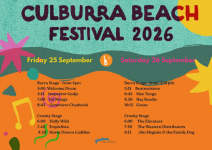
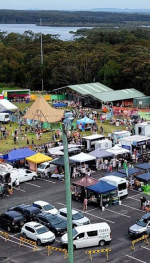
The Culburra Beach Festival takes place from September 25 to September 27, 2026 at Crookhaven Park Oval and the Culburra Beach Community Centre on the South Coast of New South Wales.

Late September at Culburra Beach brings coastal breezes and warmer afternoons. Visitors driving from Sydney or Canberra pass dairy pastures, scribbly gums and Lake Wollumboola before reaching the coast. The festival spreads across Crookhaven Park Oval, the community centre, local venues and cafés, creating a weekend centred on live music and community events.

Centred around the theme "Come Play With Us," this community-driven seaside celebration features live music, arts, and local culture.

  • Cost: Weekend passes start from $75; single-night passes from $40; free community programming on Saturday morning.
  • Atmosphere & Features: Dog-friendly (on leash), family-friendly, featuring 20 original bands, a cafe trail with free live music, makers markets, food trucks, and unique community events like the Worst Dad Joke contest and a pooch fashion parade.
  • Best for: Live music enthusiasts, coastal road-trippers, families, and lovers of regional community culture
  • For Families: Saturday morning at the oval runs from 9:00 am to 2:00 pm, with free community entertainment including Milk Crate Circus workshops, face painting and the annual Pooch Parade. At 12:15 pm, Power FM hosts Culburra’s Got Talent, featuring junior and senior divisions and cash prizes.
  • For Music Purists: The Acoustic Cafe Trail runs on Saturday and Sunday mornings at venues including Frankies, Benny’s and Fishwicks, with artists such as Mick on Wheels and the Horns of Pan.
  • For Evening Music: Evening performances focus on blues and rock, with Ray Beadle appearing alongside Jim Moginie of Midnight Oil and The Family Dog. Sunday afternoon’s Boomers Bash at the community centre features bands including The Interceptors performing classic 60s, 70s and 80s covers.
  • Location: Culburra Beach is roughly a 2.5-hour drive south of Sydney via the Princes Highway and Nowra, and about 3 hours from Canberra via the Kings Highway; Crookhaven Oval, Crookhaven Park Oval, Prince Edward Avenue Culburra Beach NSW 2540
Culburra Beach Festival is a grassroots community event that has been going for 12 years. It is organized by a committee of volunteers and continues to thrive and evolve thanks to the goodwill of volunteers and sponsorship from local businesses and grants. The annual event has seen hundreds of Australian bands and singer/songwriters present new work in an outdoor venue in the unique seaside village of Culburra Beach, located at the edge of Jervis Bay, three hours south of Sydney.

Every year, the residents of Culburra Beach come together for three days in September to celebrate their love of music and the arts, to connect with each other and with the beautiful Jerrinja country on which the festival is held. Running from Friday night through to Sunday, the event includes a Saturday morning community program that provides entertainment free-of-charge. Festival patrons can browse curated craft and food markets, while enjoying a variety of performances by local groups – including the Culburra Primary School Choir, dance troupes, interactive line dancing, a ukulele group and local musicians.

With a preference for showcasing the work of bands that play original music, the Culburra Beach Festival also fosters and promotes emerging talent through the Culburra’s Got Talent competition and provides spaces for visual artists to showcase their work. Last year, this event was sponsored by a local radio station Power FM.

The festival also provides an artistic and cultural outlet for the local community - a rare opportunity for local residents to come together and celebrate the arts in a relaxed and supportive environment.

The village is filled with live music throughout the festival weekend via pop-up musical performances by duos and solo artists along the Cafe Trail. This allows local businesses to expand their opening hours and their menus while bringing their own flavours to the festival.

Coinciding with school holidays, this coastal music and arts festival is a family-friendly event that builds pride and cohesion within the community while welcoming visitors to share the community’s love of original music, arts, food, markets and the friendly coastal culture and lifestyle that makes Culburra Beach unique. Past festivals have featured photographic exhibitions, arts and crafts events, markets, kids events, surfing, skateboarding, cooking, home brewing and outdoor art competitions. Funds for the event come from different sources each year with a mix of grants, fundraising, donations and sponsorship.

All donations will go towards running the festival which will include paying the musicians, hiring equipment, advertising the event, renting space and providing transport. This is a not-for-profit event so the festival is run by volunteers and managed by a volunteer committee. The festival attracts small sponsorship from local businesses but as a town of only 2500 permanent residents, this is a limited source of funding. The festival relies on fundraising, grants and income from tickets sales to fund the event.

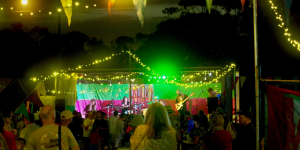
There will be 20 original bands, playing on the Crookhaven Park Oval. Plus free live music at selected cafes on the Cafe Trail and on Sunday the Boomers Bash with throw back to the hits of the 70's at the Community Centre.

On Saturday morning at Crookhaven Oval look forward to free community entertainment, with face painting and circus school for the kids plus delicious food stalls and a buzzing market with lots of local goodies for sale.

Crookhaven Park Oval hosts two outdoor stages featuring blues and global rhythms, alongside food trucks serving wood-fired pizzas, dumplings and local seafood. Independent makers also sell ceramics, coastal photography and other locally produced goods.

If you can join the “Festivus, Culburra Berach-style” this year or next - just do it!



1790284595395.png


1790284645978.png


1790284829473.png
 
Better Breakfast Day replenishes our calendars each September 26.

Breakfast truly is the most important meal of the day. It provides our body with the energy that keeps it going throughout the day, and that initial burst of energy that gets you up and out the door. Better Breakfast Day reminds us that if breakfast is good, a solidly balanced, healthy breakfast is just plain better!

What can beat a wholesome, energizing morning meal for sustained focus and well-being?

Many studies have shown the health benefits of eating breakfast. It improves your energy levels and ability to concentrate in the short term, and can help with better weight management, reduced risk of type 2 diabetes and heart disease in the long term.

When you wake up from your overnight sleep, you may not have eaten for up to 12 hours. Breakfast replenishes the stores of energy and nutrients in your body.

So many things can make weekday mornings frantic, but breakfast doesn't need to be one of them. It takes just five minutes to mix up enough overnight oats to last the week. And more than just oats – think ahead.

Planning ahead, preparing ahead, and making it simple – portion your favs into individual jars, pop them in the fridge, and they're ready to enjoy at home or on the go. Maybe plan out your breakfasts for the week every Sunday. Make or portion out the ingredients for your meal the night before, making it easy to pull it together, or even grab and go, in the morning.

Breakfast provides a lot of your day’s total nutrient intake. In fact, people who eat breakfast are more likely to meet their recommended daily intakes of vitamins and minerals than people who don’t.

People who eat breakfast generally have more healthy diets overall, have better eating habits and are less likely to be hungry for snacks during the day than people who skip breakfast.

Children who eat an inadequate breakfast are more likely to make poor food choices not only for the rest of the day, but also over the longer term.

People who skip breakfast tend to nibble on snacks during the mid-morning or afternoon. This can be a problem if those snacks are low in fibre, vitamins and minerals, but high in fat and salt. Without the extra energy that breakfast can offer, some people feel lethargic and turn to high-energy food and drinks to get them through the day.

Essential vitamins, minerals and other nutrients can only be gained from food, so even though your body can usually find enough energy to make it to the next meal, you still need to top up your vitamin and mineral levels to maintain health and vitality.

And the warmer months are fast approaching. As the seasons change, we need to rethink some of our routines to adapt to the changes, like healthy energising breakfasts to fuel us through the longer and warmer days.

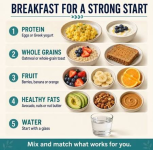
According to guidelines from Nutrition Australia, a well-balanced breakfast should feature a mix of protein, whole grains, healthy fats, and fruits or vegetables.
  • The Power Porridge: Swap out boxed, high-sugar cereals for rolled oats. Simmer them in water or reduced-fat milk, and top with seasonal Australian fruit, a dollop of Greek yoghurt, and a handful of almonds.
  • The Savoury Standard: Toast a thick slice of grainy or wholemeal bread. Layer it with smashed avocado (healthy fats), a poached or boiled egg (protein), and some grilled tomatoes or wilted spinach to get an early serving of veggies.
  • Quick & Mobile: If you are on the go, blend up a quick smoothie packed with baby spinach, a frozen banana, a scoop of protein powder or oats, and a splash of milk.
  • The Avocado Toast Invention: Smashed avocado on toast is now a global cafe staple.
  • Weet-Bix Loyalty: Australians consume staggering amounts of Weet-Bix, a whole-grain wheat biscuit cereal. Generations of kids grew up with the iconic "Aussie kids are Weet-Bix kids" advertising jingle, and it's frequently eaten piled high with bananas and honey.
  • The Vegemite Rule: Vegemite (a dark, salty yeast extract) is a national treasure, but the secret to eating it like a true local is applying a microscopic layer over a thick coat of butter - never slabbed on like peanut butter!
  • A Coffee-Obsessed Nation: Australia largely rejected massive American-style drip coffee chains in favor of an independent, Italian-influenced cafe culture. Melbourne and Sydney are famous for inventing or perfecting espresso drinks like the flat white and the piccolo latte.
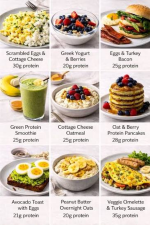
Better Breakfast Day trending Australian recipes feature wholesome, café-style favourites and easy make-ahead options designed to kick-start your morning.
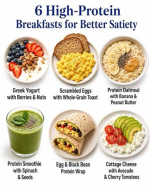
A well-balanced, healthy breakfast is one that includes a serving of lean protein, healthy fats, and dietary fibre. These essential macros work beautifully in tandem to help keep your blood sugar steady, your brain adequately fuelled and energy levels stable. Think of it as a simple formula for balance:

30g protein + 10g fibre + healthy fats = long-lasting energy + fewer cravings + more focus

The key to a healthy breakfast is to avoid skipping it altogether or relying on refined carbs out of convenience.

Eat for Health says protein is an essential nutrient for muscle mass and bone strength, while other studies have shown eating protein at breakfast can improve feelings of fullness and reduce evening snacking. Protein cannot be stored by the body, which is why it’s important to ensure you spread your protein intake throughout the day.

Brekky is where all the goodness starts.


Fun Facts about Breakfast:
  • Cereal Dominance: Breakfast cereals make up about 50% of adult breakfasts in Australia, with iconic whole-grain wheat blocks like Weet-Bix leading the charge for fiber and nutrition.
  • The Vegemite Divide: Breads and spreads account for another 40% of morning meals, where national pride shines through a thin, highly contested smear of Vegemite on buttered toast.
  • Rare Cooked Hot Meals: A heavy cooked breakfast featuring eggs, bacon, and sausages is eaten during an ordinary morning by only 11% of adults, making it a distinctly weekend or brunch-only affair.World-Class Coffee Culture: Driven heavily by Italian immigration post-WWII, Australia developed an obsession with café-style espresso—making flat whites, piccolos, and smashed avocado global exports of the modern Aussie brunch.
  • Skipping Habits: Roughly 12% of Australian adults routinely skip breakfast, with studies showing skippers are statistically more likely to be male and prone to late-day snacking.


“Rise and dine”

“Breakfast: the real MVP of meals”

“Breakfast called, I answered”

“Breakfast shows up daily”


1790376993136.png


1790377009777.png


1790377027839.png
 
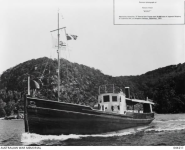
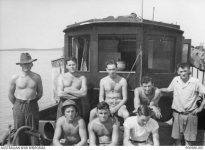
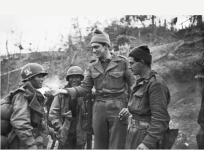
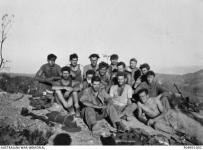
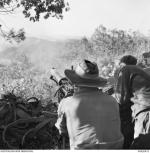
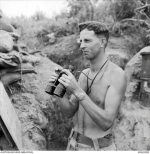
Today we remember the bravery of the Z Special Unit and the success of Operation Jaywick, a daring cover mission during World War II.

Disguised as Malay fishermen, members of Special Operations Australia (SOA) from Z Special Unit, travelled from Western Australia to Subor Island aboard a captured boat, renamed the MV Krait.

On 26 September 1943, they paddled folding kayaks into Japanese-occupied Singapore Harbour, placing limpet mines on ships. Six days later, they reunited with Krait after paddling 80km.

Seven ships were sunk or damaged, and the team returned to Australia on 19 October. This bold covert operation dealt a blow to the Japanese war effort and lifted Allied morale.

Lest we forget
🌺


1790381746958.png


1790381766143.png
 
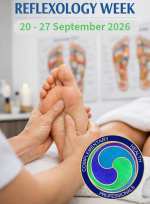
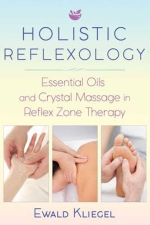
World Reflexology Week 2026 runs from Monday, September 21 to Sunday, September 27, 2026.

This event is an annual global initiative established by the International Council of Reflexologists (ICR) to increase public awareness, educate communities on self-help techniques, and celebrate the health benefits of reflexology.

Local practitioners and national associations use the week to highlight how applying controlled pressure to reflex points on the feet, hands, and ears can complement general wellness and stress management.

World Reflexology Week is a wonderful reminder to slow down, reconnect with your body and appreciate the restorative power of therapeutic touch.

Reflexology is a touch therapy where the practitioner treats the body via reflex points in the feet, hands, lower leg, face or ears.

It is a non-invasive complementary therapy that is safe and nurturing, promoting a deep sense of well-being and relaxation and enhancing the body’s own natural healing processes.

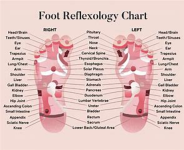
The underlying principle is that all of a person’s body – the systems, organs, glands and musculoskeletal structures – are precisely mapped in the feet, hands, ears and face and that these reflex areas respond positively to the skilful application of therapeutic pressure.

In particular, our nervous system, circulatory system and energy pathways respond well to this reflex stimulus, relaxing us deeply and promoting the circulation of oxygen and nutrients to all parts of the body.

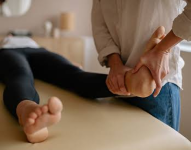
The professional reflexologist will use their sensitive hands to locate and treat reflexes that feel congested and then apply pressure in specific ways to release the congestion and promote the body’s natural healing process.

For the person receiving a reflexology treatment, an enhanced state of relaxation is experienced. This is an important benefit; although stress is a normal function of the body, chronic stress has been associated with many serious health conditions.

While little research has been conducted into how reflexology actually works, there are scientific studies that indicate its effectiveness for a range of health conditions.

Research and anecdotal evidence indicate that reflexology can reduce pain levels, improve sleep, boost the immune system, positively support mental health and improve or maintain the body’s functions.

Reflexology can be used as a general “tune-up” for the body or to address specific issues.

Reflexology does not replace the role of the general practitioner, medical specialist or allied therapist. It is a safe, non-invasive complementary therapy which taps into the body’s innate ability to strive to be in balance.

Reflexology treatments offer a range of benefits, which include:
  • Deep relaxation, which in turn reduces stress and tension – both emotional and physical.
  • Reduction in pain.
  • Helps with anxiety and depression.
  • Assists blood flow and the circulatory system.
  • Helps lymph flow and the lymphatic system, thus helping to eliminate toxins naturally which supports the immune system.
  • Improves foot function, especially if balance or pain is an issue.
  • Targets all of the body’s systems: nervous, digestive, respiratory, circulatory, endocrine, reproductive, urinary, cardiovascular, lymphatic and musculoskeletal.
Reflexology is suitable for almost everyone – including, children and pregnant women.

A typical session may include:
  • a brief consultation
  • gentle warming or loosening movements
  • thumb or finger pressure across mapped reflex areas
  • slower relaxation work
  • a short period of rest at the end.

Many people choose reflexology because they enjoy the calming effect of focused touch, the opportunity to pause and the feeling of having tired feet cared for. World Reflexology Week is intended to promote awareness and give people an opportunity to learn more about the practice.

Essential oils do not change the location or meaning of reflexology points. Instead, they may be used to enhance the sensory and massage aspects of a session.

Depending on the oil, they may contribute:
  • a calming aroma
  • a refreshing or cooling skin sensation
  • a grounding atmosphere
  • a smoother massage medium when diluted
  • moisturising support when combined with a suitable carrier oil.
A reflexologist should select oils according to the individual client rather than applying the same blend to everyone. Skin sensitivity, pregnancy, age, allergies, medications, medical history and personal aroma preferences should all be considered.

Lavender is one of the most versatile choices for a relaxation-focused reflexology treatment.

Its soft floral aroma can help create a peaceful environment, particularly for clients who arrive feeling mentally busy or find it difficult to settle into stillness. It can be diluted into a foot massage blend or used aromatically in the treatment space.

Lavender may be especially suitable when the purpose of the session is to support:
  • relaxation
  • a quieter evening routine
  • emotional comfort
  • gentle care for tired feet.
Reflexology is continuing to gain traction in Australia as demand grows for hands-on, non-invasive therapies that support relaxation and whole-body wellbeing. Trained reflexologists now work across clinics, wellness centres, aged care settings, and mobile practices, making professional training an appealing option for those seeking a people-focused healing career.

It is commonly offered alongside other natural therapies in clinics, wellness centres, and aged care settings, reflecting its ongoing relevance in supportive care.

Most Australian reflexologists work in private clinics, multidisciplinary practices, or through mobile services. Others combine reflexology with massage or bodywork. While outcomes vary, professional training offers a flexible pathway into the wellness industry without rigid career structures.

Australians view reflexology primarily as a valid practice for relaxation and stress management, rather than a definitive medical cure. While a high percentage of Australians utilize complementary therapies - with overall industry valuation projected to cross $7 billion - the modern consensus treats reflexology as a supportive, integrative bodywork modality.

If reflexology appeals, seek out a qualified practitioner.
The results will likely pleasantly surprise you.


Fun Facts about Reflexology:
  • While foot treatments are the most popular, reflexology also maps reflex points onto the hands, ears, and face that correspond to distinct internal organs and glands.
  • Each foot contains more than 7,000 nerve endings and thousands of individual nerves, which practitioners believe help stimulate the central nervous system when precise pressure is applied.
  • Unlike a standard foot massage focused purely on soft-tissue relaxation, reflexology uses specific thumb and finger techniques designed to encourage energetic balance and support the body's natural homeostasis.
  • No two reflexology sessions are exactly alike, as reflexology is a highly personalised therapy. Reflexologists tailor each session to the individual’s specific needs, considering health concerns, lifestyle, and overall wellbeing.


"Reflexology is basically like a comedy show for your nervous system—your toes giggle, your arches chuckle, and your soul sighs"

“Reflexologists listen with hands.”

"That’s what I do: I touch feet and I know things"

"Touch the body, calm the mind, heal the soul"


1790459489286.png


1790459515580.png


1790459530199.png


1790459545250.png
 
Back
Top